Blue Fire of the Open Sea: The Story and Science of the Mako Shark
Few creatures command the same reverence and fear as the mako shark. Sleek, metallic, and built for velocity, Isurus…
Introduction
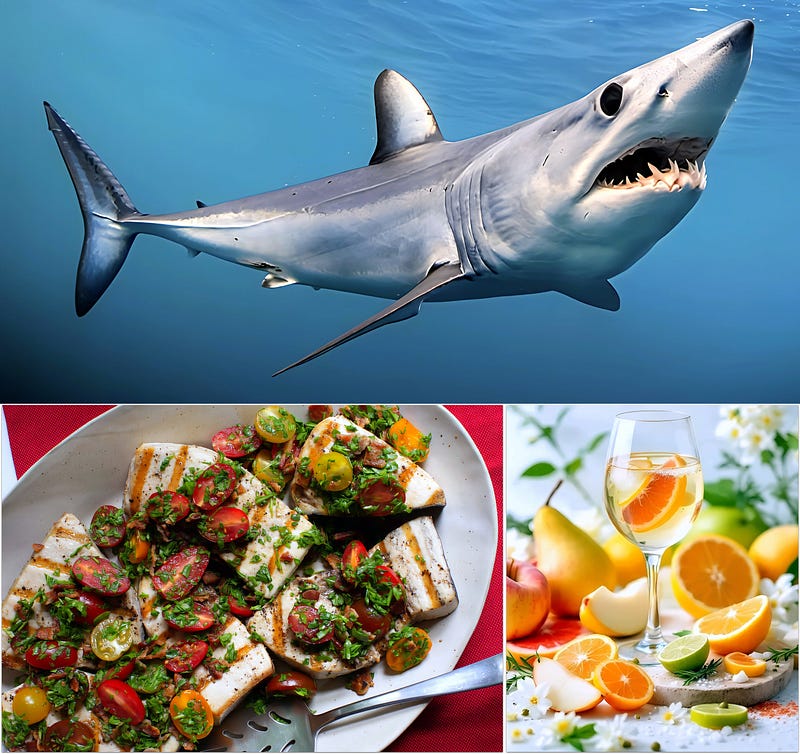
Few creatures command the same reverence and fear as the mako shark. Sleek, metallic, and built for velocity, Isurus oxyrinchus — the shortfin mako — embodies the ocean’s predatory perfection. Capable of reaching speeds exceeding 74 km/h (46 mph), it is not only the fastest shark but also among the most efficient hunters in marine evolution. To divers, it is pure electricity in motion. To scientists, it is a marvel of thermoregulation and biomechanics. And to chefs, in some regions, a controversial delicacy is now shadowed by sustainability debates. The mako shark sits at the uneasy intersection of fascination and exploitation — an apex predator pursued by both admiration and commerce.
Taxonomy
Isurus oxyrinchus belongs to the family Lamnidae, which includes the great white shark (Carcharodon carcharias) and the porbeagle shark (Lamna nasus). Its genus, Isurus, derives from Greek roots meaning “equal tail,” referencing the symmetry of its caudal fin that propels it with extraordinary speed. Two species exist within this genus: the shortfin mako (I. oxyrinchus) and the longfin mako (I. paucus). Both are migratory pelagic sharks distributed globally in tropical and temperate waters.
Common names vary widely: “mako” in English-speaking regions, “tiburón mako” in Spanish (Mexico, Spain), “requin mako” in French (France, Senegal), “canejo” in Portuguese (Portugal, Brazil), and “maguro same” in Japanese fisheries. In South Africa, it’s colloquially called “blue pointer,” a nod to its cobalt dorsal sheen. Culinary markets sometimes label it simply as “shark steak” to obscure its identity, particularly where conservation scrutiny is high.
Biology
The shortfin mako measures on average 3.2 m (10.5 ft) and can weigh up to 600 kg (1,323 lb). Its hydrodynamic design features a conical snout, a lunate tail, and a metallic blue upper body with white ventral countershading. Unlike most fish, makos maintain a body temperature up to 10°C (18°F) warmer than the surrounding water via a counter-current heat exchange system in their muscles, granting explosive speed and agility.
They feed on squid, tuna, and billfish, often leaping clear of the ocean in pursuit — a behavior rarely matched by other species. Mating occurs seasonally, with females producing 10–18 pups through ovoviviparity. Mako pups are born about 70 cm (27.5 in) long. Maturity takes over 7–8 years, making populations slow to recover from overfishing. Lifespan averages 25–30 years, though few individuals reach that age in the wild due to heavy fishing pressure.
Ecology
Mako sharks are top-level predators vital to maintaining pelagic food web balance. They migrate across entire ocean basins, following currents and prey aggregations. Their range extends through the Atlantic, Pacific, and Indian Oceans, often inhabiting offshore waters between the surface and 150 m (492 ft) deep.
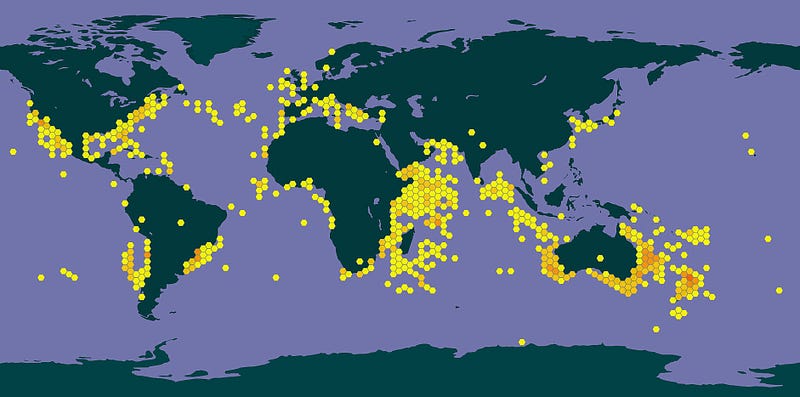
However, global assessments show steep population declines exceeding 50% in some regions, primarily from bycatch in longline tuna and swordfish fisheries. The International Union for Conservation of Nature (IUCN) classifies the shortfin mako as Endangered. CITES Appendix II now regulates international trade. Sustainable management efforts — such as ICCAT’s 2019 ban on North Atlantic mako retention — are slow but essential steps. Ethical consumption demands rigorous traceability and certification, yet few fisheries meet this standard.
Uses
Historically, mako meat was prized for its dense, steak-like texture and mild, meaty flavor, similar to swordfish. Edible parts include the fillets and fins. Flesh yield is about 50–55% of body mass, or roughly 300 kg (661 lb) from a 550 kg (1,212 lb) specimen. A 100 g (3.5 oz) serving provides approximately 130 kcal, 22 g protein, and minimal fat, but mercury content is often high — up to 2.0 mg/kg — posing toxicity risks. Cooking must follow safe consumption limits; most health agencies recommend avoiding frequent intake.
Meat is typically grilled, broiled, or smoked. Traditional dishes include Portuguese cação grelhado, Japanese same no tataki, and American “mako steak.” Aroma is faintly oceanic with a sweet, iron-rich undertone. Texture remains firm under heat but can dry quickly. The flavor is lean, clean, and faintly nutty, best balanced with acid (citrus, vinegar) and fat (olive oil, butter).
Non-food uses include leather from skin, fishmeal from waste, and sport fishing trophies. Commercial products — particularly frozen fillets — circulate through global seafood markets, but ethical labeling remains inconsistent. Conservation certifications are rare, though some New Zealand and U.S. fisheries operate under monitored quotas.
From a medicinal perspective, liver oil was once studied for squalene concentration (0.4–0.7%), though most modern extraction now favors deep-sea sharks. There is no validated therapeutic dosage or health benefit; safety concerns over contaminants outweigh speculative gains.
Environmental benefits of living makos far exceed their harvested value. As apex predators, they regulate mid-trophic species and contribute to carbon cycling by removing weak prey. One mature mako may embody decades of ecological function, yet its fins can fetch only a transient price in illicit markets. The calculus of exploitation is profoundly asymmetrical.
Culinary Aspects
Mako’s taste profile sits between swordfish and tuna — mild yet muscular, with low fat and clean minerality. The aroma is subtle, slightly metallic, and best enhanced with smoke or acid. When seared rare, the flesh remains moist with a fine-grained chew; when grilled thoroughly, it tightens into a dense steak reminiscent of veal.
Culturally, it symbolizes prowess and vitality in certain maritime traditions. Polynesian lore viewed the mako as a guardian spirit, not a meal. In contrast, postwar Japanese markets commodified it for lean sashimi, and Mediterranean fishmongers prized it for its resemblance to prized pelagic species. Modern chefs now face an ethical reckoning: how to honor the species’ legacy without perpetuating harm. The consensus among sustainability advocates is clear — consumption should cease until stocks recover.
Wine Pairings
For a responsibly sourced preparation (e.g., lab-grown or alternative species mimicking mako texture), optimal pairings depend on cooking style. Grilled mako with lemon and olive oil aligns with Vermentino from Sardinia — crisp acidity, saline minerality, and citrus lift mirror the meat’s oceanic clarity. A lightly smoked preparation benefits from a Corsican Nielluccio, whose fine tannins and herbaceous red-fruit core balance the savory notes. For spicy marinades, a dry Riesling from Clare Valley offers tension between sweetness and heat.
Each pairing works through contrast rather than echo: acidity cuts protein density, aromatic precision offsets marine richness, and regional identity grounds the dish in a sense of place — something the mako, a global wanderer, itself embodies.
Conclusion
The mako shark stands at a crossroads between awe and accountability. Its speed defines marine athleticism; its intelligence reflects evolutionary precision. Yet its decline mirrors the costs of human appetite and neglect. Conservation is no longer theoretical — it is existential. The future of the mako depends on restraint, science-based management, and cultural evolution toward valuing the living predator over the fleeting meal. In the end, our respect for the mako is a test of our maturity as custodians of the sea.