Crimson Threads of the Sea: The Story of Carrageen (Chondrus crispus)
It is a quiet architect of ecosystems, a centuries-old medicine, a kitchen staple that bridges peasant resilience with haute cuisine, and a global industry worth billions. Few organisms better embody the interwoven fates of nature, culture, and commerce.
Introduction
On storm-lashed coasts where tides breathe in and out like the lungs of the Atlantic, a humble red alga clings to the rocks. Known as Carrageen or Irish Moss, Chondrus crispus is far more than a seaweed washed up on beaches. It is a quiet architect of ecosystems, a centuries-old medicine, a kitchen staple that bridges peasant resilience with haute cuisine, and a global industry worth billions. Few organisms better embody the interwoven fates of nature, culture, and commerce.
Taxonomy
Carrageen belongs to the genus Chondrus in the family Gigartinaceae. The species Chondrus crispus is most widely recognized, though local varieties exhibit subtle differences in color and morphology depending on their coastal habitat. Its common names include Carrageen Moss, Irish Moss, and Pearl Moss. Despite the “moss” in its name, it is not a terrestrial moss at all but a marine alga, part of the Rhodophyta or red algae. Edible relatives include species of Mastocarpus that are often harvested interchangeably, though purists argue that C. crispus yields a superior gel.
Biology
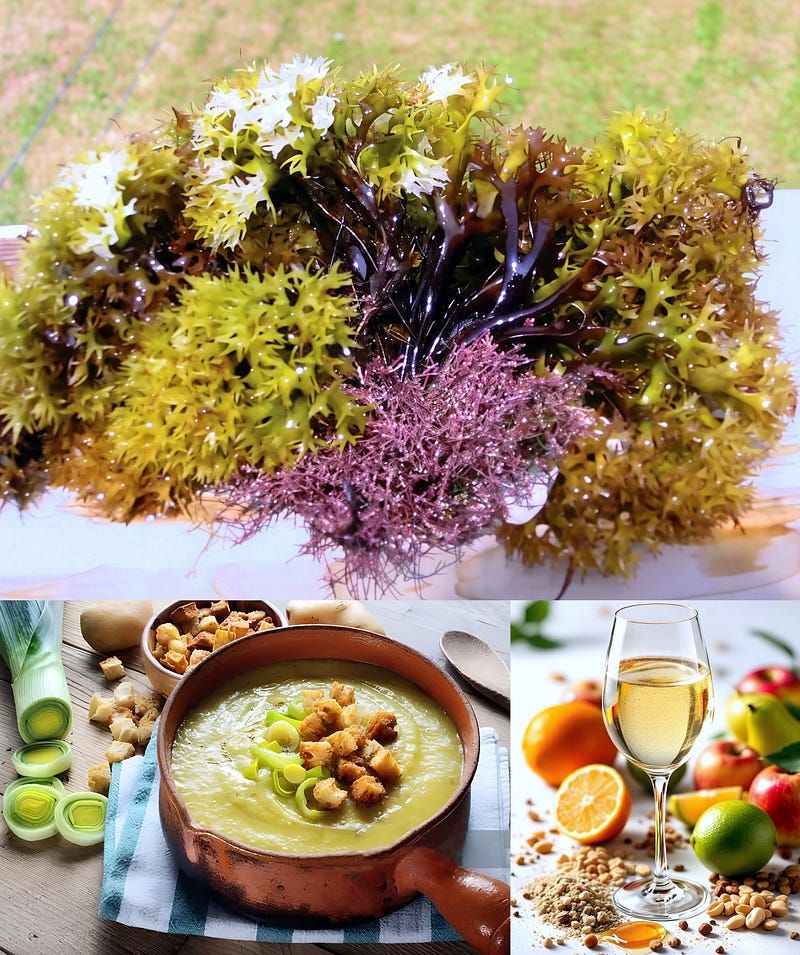
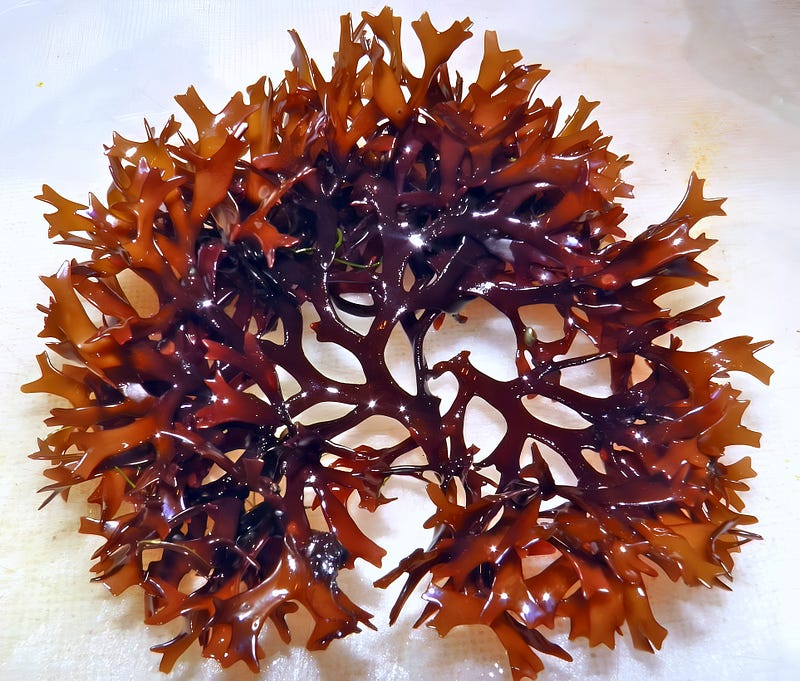
This seaweed is a frondose red alga, typically 5 to 20 cm in length (about 2 to 8 in). Its branching fronds resemble miniature coral antlers, ranging in color from deep crimson to greenish-yellow depending on light exposure and drying conditions. It reproduces both sexually and asexually, its life cycle alternating between gametophyte and sporophyte generations. A striking adaptation lies in its cell walls, rich with carrageenan polysaccharides. These sugars form a gelatinous matrix that retains water, allowing the alga to survive the buffeting of waves and exposure during low tide.
Ecology
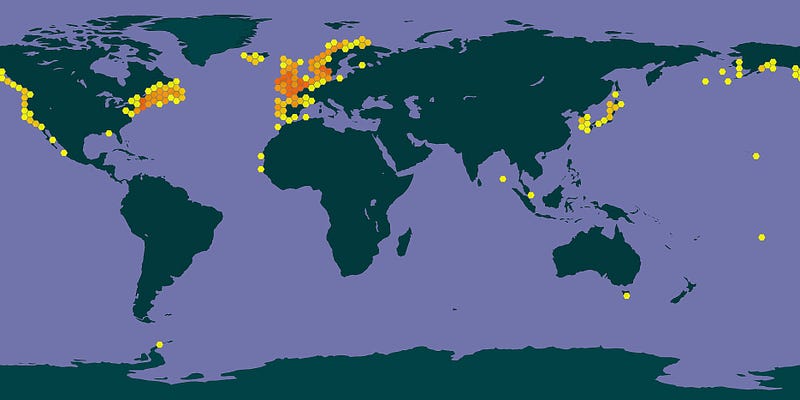
Carrageen thrives in the cold, nutrient-rich shallows of the North Atlantic, anchoring itself to rocks with a holdfast. It is found along the coasts of Ireland, Scotland, Brittany, Iceland, and the Canadian Maritimes. Ecologically, it provides habitat for small invertebrates and stabilizes intertidal communities. Overharvesting and climate change, however, threaten its abundance. Warmer seas and shifting currents have already begun to reduce yields in traditional gathering grounds. Sustainable practices — such as hand-harvesting only mature fronds and rotating collection sites — are essential to protect both the species and the cultural heritage tied to it.
Uses
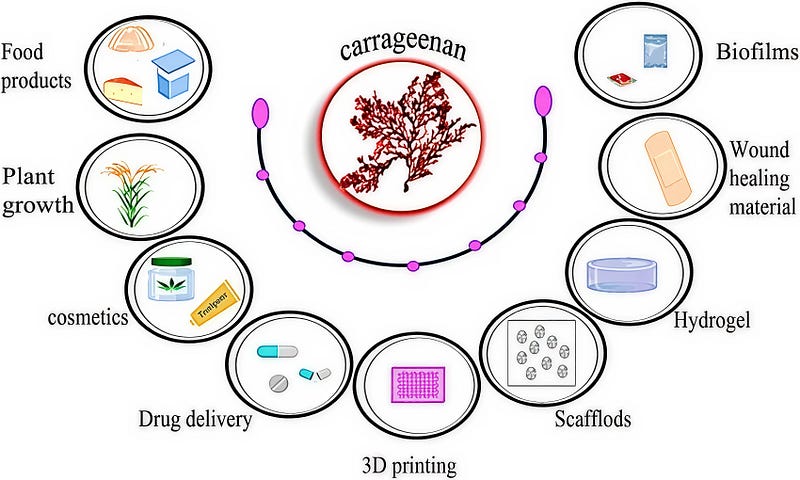
For centuries, Irish families boiled carrageen into broths to treat colds, tuberculosis, and digestive ailments. During the Irish famine, it was a vital source of sustenance. Today, carrageenan extracted from Chondrus crispus is a cornerstone of the global food industry, used as a thickener and stabilizer in dairy products, plant-based milks, sauces, and even toothpaste. The global carrageenan market is worth over half a billion dollars annually. While debates about carrageenan’s impact on gut health continue, most regulatory bodies deem it safe, and demand for natural thickeners continues to climb.
Culinary Aspects
Fresh carrageen carries a saline, mineral aroma reminiscent of tidal pools after a storm. When boiled and strained, it yields a translucent gel with a delicate marine flavor, subtle and clean rather than overpowering. In Irish kitchens, this gel was combined with milk and sugar to create a silky pudding. Its texture lies somewhere between custard and panna cotta, with a cooling mouthfeel that lingers lightly on the palate.
The balance and complexity emerge when carrageen is used as a culinary tool rather than a standalone dish. It can clarify stocks, give body to soups, or add sheen to confections without altering taste. The finish is neutral, allowing it to amplify rather than compete with other ingredients. Chemesthesis is minimal, but its mouth-coating gel creates a sense of fullness. Today, chefs experimenting with foraged foods reintroduce carrageen in modern gastronomy, from seaweed jellies paired with citrus to vegan cheeses that rely on its gelling properties. Nutritionally, carrageen is low in calories yet rich in iodine, calcium, magnesium, and trace vitamins, making it both a functional and sustainable ingredient.
Wine Pairings
Pairing wine with carrageen-based dishes requires attention to its subtle oceanic tones and gelatinous textures. A crisp Muscadet from the Loire Valley, with its saline minerality, mirrors the sea’s imprint and cuts through the gel’s neutrality. For carrageen puddings made with milk and sugar, a lightly sweet Riesling (served at about 10°C or 50°F) offers bright acidity and orchard fruit notes that lift the dessert. In savory applications, such as a carrageen-thickened bisque, a chilled Albariño complements the dish with citrus zest and briny freshness, echoing the maritime origins of the seaweed itself.
Conclusion
Carrageen is more than a red alga clinging to rocks — it is a thread woven through centuries of survival, innovation, and culinary artistry. It teaches us how a fragile-looking frond can sustain families, stabilize ecosystems, and anchor entire industries. As seas warm and traditions fade, the future of carrageen depends on sustainable harvest and renewed appreciation. In every spoonful of pudding or whisper of gel in a sauce, it carries with it the taste of coastlines, the resilience of communities, and the possibility of harmony between human appetite and marine life.