The Enduring Mystery of Darwin’s Slimehead
Revered by some for its culinary qualities and eyed warily by conservationists due to its slow growth, the slimehead bridges natural history, gastronomy, and sustainability in a single silvery body.
Introduction
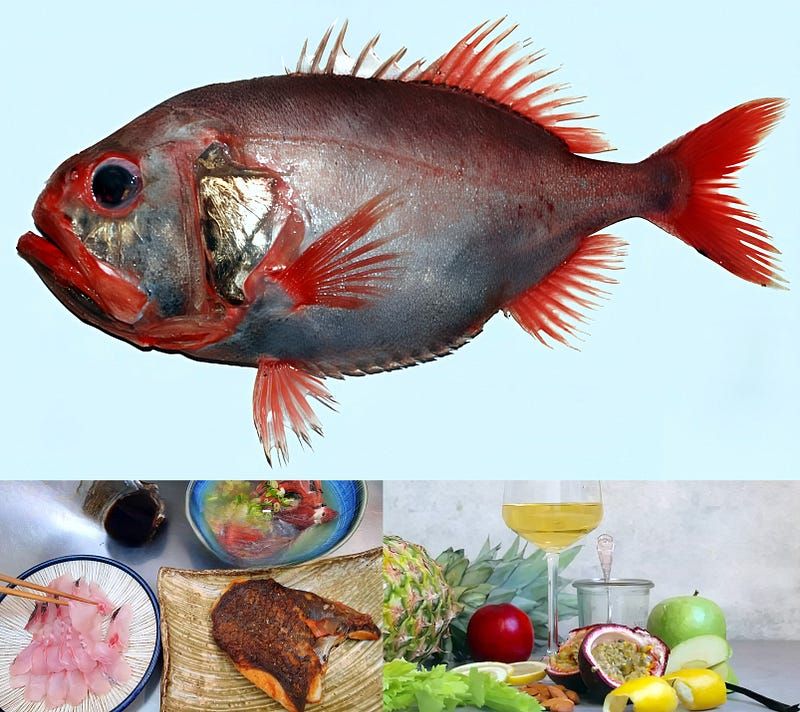
In the shadowed depths of the world’s oceans swims a fish with both an unfortunate name and a fascinating story: Darwin’s slimehead (Gephyroberyx darwinii). While its moniker conjures images of grotesque sea monsters, this deepwater species is neither slimy nor repulsive. It is, in fact, a resilient survivor of ancient oceans, a living reminder that the sea holds far more than meets the eye. Revered by some for its culinary qualities and eyed warily by conservationists due to its slow growth, the slimehead bridges natural history, gastronomy, and sustainability in a single silvery body.
Taxonomy
Darwin’s slimehead belongs to the family Trachichthyidae, a group known as the slimeheads, named for the mucous-filled canals along their heads that aid in sensory perception. The genus Gephyroberyx contains a handful of species, with G. darwinii as one of its best-known members. Common names vary across regions, including Darwin’s roughy and sometimes simply “slimehead,” though the marketing-friendly “roughy” gained traction in fisheries to soften its image. It shares lineage with the infamous orange roughy (Hoplostethus atlanticus), another deep-sea species that gained notoriety for its delicate flesh and ecological vulnerability.
Biology
This species is built for survival in the dark. Darwin’s slimehead typically grows to about 40 cm (15.7 in), though individuals as large as 50 cm (19.7 in) have been recorded. Its body is compressed and armored with tough, spiny scales, giving it a rugged, prehistoric appearance. The reddish-brown coloration fades with age, blending seamlessly into the twilight zones it inhabits. It thrives at depths of 200 to 800 m (656 to 2,625 ft), where light is scarce, temperatures hover around 4°C (39°F), and pressure is immense.
Like many deepwater fish, it matures slowly and can live for decades, with some specimens estimated to reach 60 years. This slow growth and late maturity make populations highly susceptible to overfishing. Its large eyes are adapted to absorb what little light penetrates, giving it excellent vision in the dim depths.
Ecology
Darwin’s slimehead is distributed widely in the Atlantic, Pacific, and Indian Oceans, often near seamounts and continental slopes. It is a mid-level predator, feeding on crustaceans, squid, and small fish, while in turn being preyed upon by larger predators such as deepwater sharks. Its ecological role is significant in maintaining balance in deep-sea ecosystems, but it is also fragile due to the species’ sluggish reproductive cycle.

Conservation concerns echo those of its cousin, the orange roughy. When targeted by fisheries, populations collapse quickly, and recovery can take centuries. Sustainable practices — such as catch limitations and marine protected areas — are crucial to ensuring that Darwin’s slimehead does not vanish from the world’s oceans.
Uses
While not as famous as orange roughy, Darwin’s slimehead has economic relevance in deepwater trawl fisheries. Its firm, white flesh makes it desirable for export markets, though less common in retail than its relatives. Sustainability is a constant concern. Because these fish live long lives and reproduce slowly, every catch represents decades of ecological investment. The dilemma is stark: a valuable food resource that risks disappearing if poorly managed.
Culinary Aspects
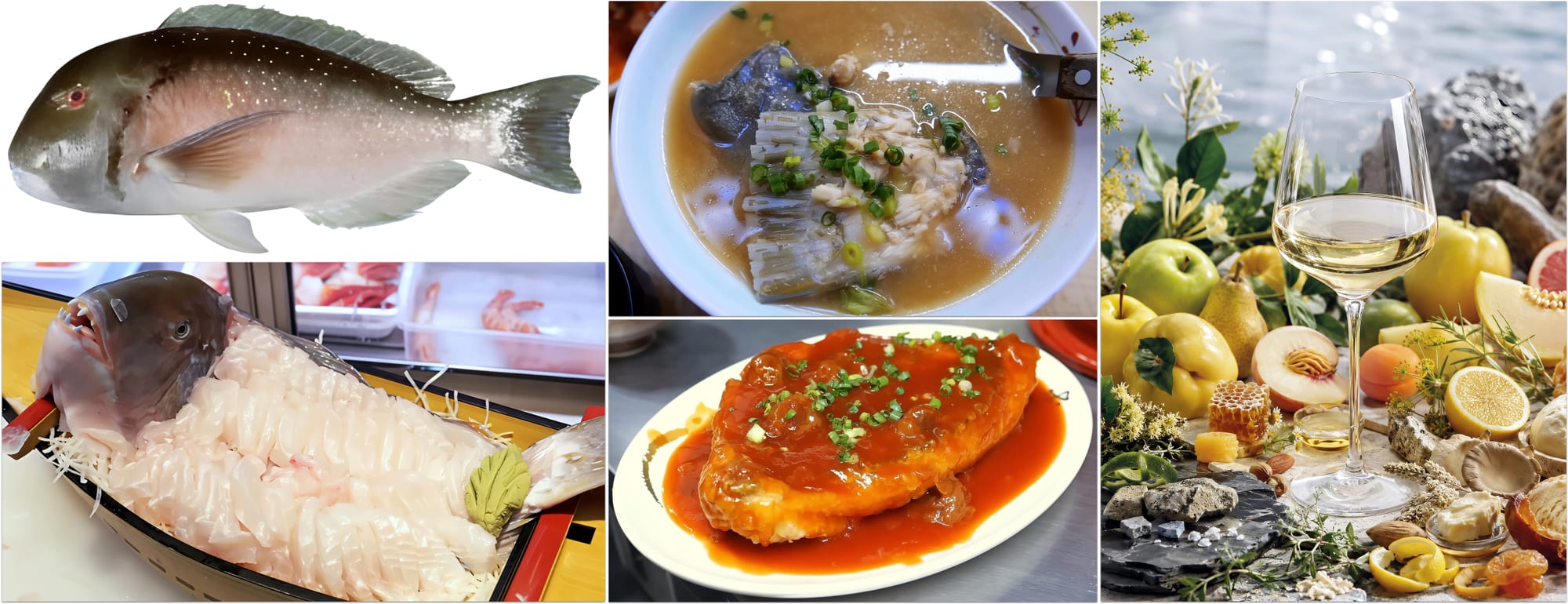
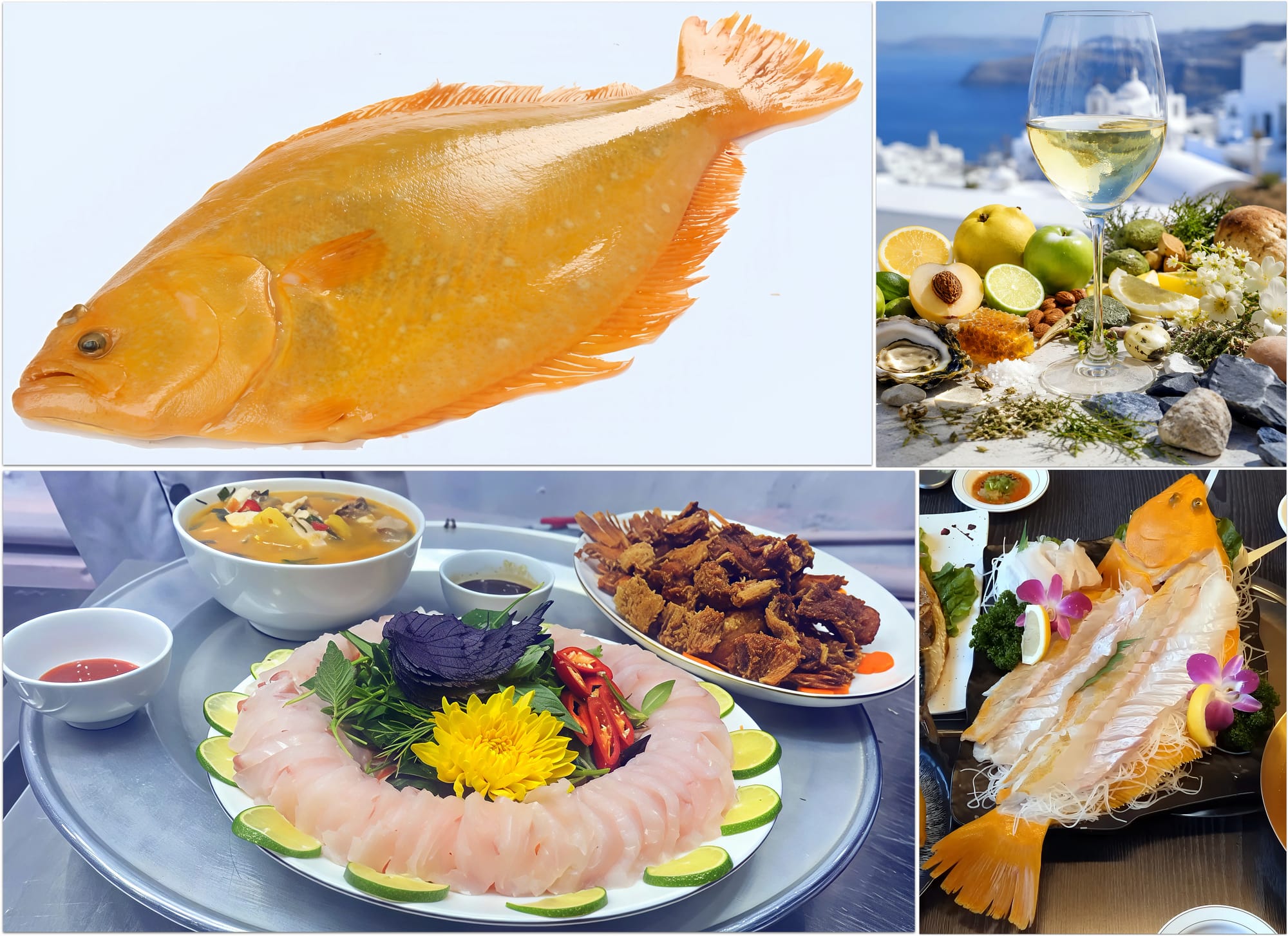
Despite the unfortunate name, the flesh of Darwin’s slimehead is anything but unappealing. It offers a mild, clean flavor, with a sweetness reminiscent of cod but firmer in texture. When cooked, the fillets flake gently, offering a pleasant mouthfeel. The aroma is subtle, lacking the overly “fishy” scent that deters some palates.
The taste profile balances delicacy with richness, lending itself well to diverse preparations. Pan-searing brings out a crisp surface and buttery interior, while baking with herbs and citrus highlights its natural sweetness. In soups and stews, the flesh holds together, contributing depth without overpowering. Its finish is clean, with no lingering aftertaste, and the appearance of snowy-white fillets appeals to chefs seeking refinement.
Nutritionally, it provides lean protein, omega-3 fatty acids, and trace minerals. A 100 g (3.5 oz) portion delivers roughly 90 calories, making it a light yet nourishing choice. Cultural appreciation is growing, especially in markets that prize deepwater species, though awareness of its ecological fragility shapes responsible consumption.
Wine Pairings
The subtlety of Darwin’s slimehead pairs beautifully with wines that complement rather than overwhelm. A crisp Sauvignon Blanc, with its grassy minerality and notes of citrus, mirrors the fish’s delicate sweetness. Chardonnay, particularly unoaked varieties, provides a clean acidity and a round mouthfeel that highlights the flesh’s buttery texture. For those seeking something more adventurous, a dry Riesling offers floral aromas and bright acidity that elevate herb-infused preparations.
For heartier dishes, such as those prepared with butter or cream sauces, a light Pinot Noir can surprise with its earthy undertones, offering balance without overshadowing. The harmony lies in wines that preserve the fish’s elegance while accentuating its quiet complexity.
Conclusion
Darwin’s slimehead reminds us that beneath the waves lie creatures whose lives unfold over decades in near silence, hidden from human view. It is both a culinary delight and a cautionary tale, urging us to savor the ocean’s gifts responsibly. To embrace this fish without exhausting it is to honor the balance between appetite and stewardship. Its story is not only about what we eat, but also about how we choose to live with the planet’s oldest and most enduring inhabitants.