Genetic Mirage: The Flawed Science and Risky Promises of DNA Ancestry Testing
Introduction In an era obsessed with identity, DNA ancestry testing promises a shortcut to self-discovery — offering to decode our…
Introduction
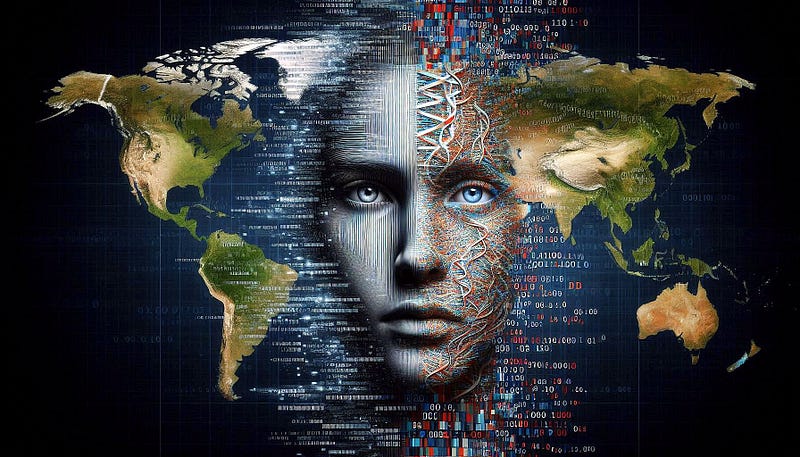
In an era obsessed with identity, DNA ancestry testing promises a shortcut to self-discovery — offering to decode our heritage, reveal our ethnic origins, and even rewrite family lore. But beneath the glossy marketing and color-coded pie charts lies a tangle of imprecision, ethical compromises, and unsettling consequences. What many believe to be hard science is often an interpretive algorithm cloaked in scientific language and sold as genealogical gospel. This article unpacks the hidden flaws, misleading promises, and real-world consequences of the ancestry DNA industry.
The Illusion of Precision
DNA testing companies claim to deliver your ancestral composition down to the decimal point. But this confidence masks a scientific house of cards. Ethnic estimates are built on comparisons with limited reference populations — arbitrary samples chosen to “represent” complex identities like “Irish” or “Nigerian.” These identities are social constructs, not genetic absolutes. Borders change, people migrate, and genes blur over time.
Your ethnicity percentages? They’re not objective truths — they’re educated guesses based on probability models, not biological certainty.
Conflicting Results, Shifting Identities
If DNA ancestry testing were grounded in hard, replicable science, different companies would yield identical results. They don’t. The same person submitting samples to AncestryDNA, 23andMe, and MyHeritage might receive drastically different ethnic profiles.
Why? Each company uses proprietary algorithms and unique reference panels. Your genetic identity becomes a matter of corporate interpretation. For one user, that meant being 93% Ashkenazi Jewish on one platform and suddenly part Native American on another. Identity, apparently, is in the eye of the database.
Black Box Biology: Trusting What You Can’t See
You don’t just buy a DNA test — you buy blind faith in an algorithm you’ll never see. Companies do not disclose how they calculate your ethnic makeup. The code is secret, the datasets are private, and the assumptions baked into the system go unquestioned. This opacity turns your ancestral results into a kind of genetic fortune cookie: tantalizing, vague, and unverifiable.
A Fraction of a Fraction: The Incomplete Picture
These tests analyze less than 0.01% of your genome. They look at specific points — single nucleotide polymorphisms (SNPs) — which are chosen not because they define your ancestry, but because they’re easy to scan. More importantly, DNA inheritance is random. You may inherit little or nothing from many of your ancestors. So that “8% Greek”? It may come from a single stretch of code common in southern Europe — not an Athenian ancestor.
The Romance of Heritage, For Sale
What makes these tests so seductive is their emotional appeal. They promise more than science: they promise belonging. Whether it’s Viking blood, royal lineage, or indigenous ancestry, the narrative is addictive. The problem? It’s manufactured. These companies market identity as entertainment, and exploit our longing for roots to drive profits.
Your DNA, Their Data
Many customers don’t realize they’re surrendering their most intimate possession — their genetic blueprint. Once you spit in the tube, your DNA becomes corporate property. It’s monetized through research deals, pharmaceutical partnerships, and even law enforcement collaboration. You pay to hand over the keys to your biological identity — and become the product.
Real People, Real Damage
These aren’t abstract concerns. Lives have been upended by DNA test results:
- Family fractures: A man disowns his father after a test shows no biological relation.
- Legal fallout: Wills rewritten, inheritances contested, and family bonds dissolved based on percentages that are, at best, educated guesses.
- False narratives: People rebuild their entire self-concept on data that might not even be accurate.
When algorithms mislead, the cost isn’t just scientific — it’s deeply human.
Case Studies: Truth in the Fine Print
- Duplicate samples, different results: Identical DNA sent twice to the same company yielded slightly different results — an error rate that, even at 1%, translates to thousands of incorrect readings.
- Conflicting ancestries: One user received wildly different ethnicities from three top companies, none aligning with known family history.
- Family stories debunked: In one case, a woman’s long-cherished Cherokee ancestry vanished on paper — despite generations of oral history and cultural ties.
Conclusion: A Sobering Look at Identity Tech
DNA ancestry tests are not scams — but the way they’re sold certainly flirts with fraud. They offer a distorted mirror of who you are, filtered through corporate algorithms and packaged as truth. It’s not just faulty science — it’s identity theater. Entertaining, yes. Enlightening? Maybe. But definitive? Never.
If you must indulge, treat your results as an invitation to explore, not a verdict. Real heritage lies in memory, community, and story — not just code.
Call to Reflection:
Before you send off that saliva sample, ask yourself: Are you chasing data, or meaning? Do you want identity or insight? And are you ready for what a corporation might do with the secrets in your genes?