Shiso: The Aromatic Powerhouse of Perilla frutescens var.
Among Asia’s most distinctive herbs, Perilla frutescens var. crispa — better known as shiso in Japan — occupies a rare…

Shiso: The Aromatic Powerhouse of Perilla frutescens var. crispa Transforming Asian Cuisine and Modern Wellness
Introduction
Among Asia’s most distinctive herbs, Perilla frutescens var. crispa — better known as shiso in Japan — occupies a rare intersection of sensory delight, cultural heritage, and functional bioactivity. Its deeply crinkled leaves, with hues ranging from emerald green to royal purple, release an aroma that has no true parallel in Western herbs: a fusion of mint, basil, anise, and cinnamon. Beyond its culinary allure, this variety of perilla embodies centuries of agronomic refinement, pharmacological application, and evolving sustainability practices. As global cuisine becomes increasingly herb-driven and health-conscious, shiso stands poised to become one of the 21st century’s defining flavor catalysts.
Taxonomy
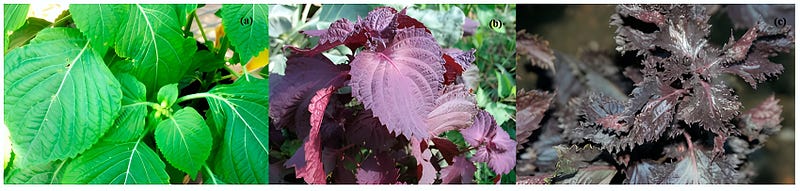
Perilla frutescens var. crispa belongs to the family Lamiaceae, sharing lineage with mint (Mentha), basil (Ocimum), and sage (Salvia). The crispa variety is distinguished from the typical P. frutescens var. frutescens by its ruffled leaves and higher concentration of volatile aromatic compounds. Common names vary by region: “shiso” (紫蘇) in Japanese, “tía tô tía” in Vietnamese, and “zǐ sū” (紫苏) in Mandarin Chinese. In English, it is sometimes referred to as “beefsteak leaf” or “Japanese basil.” Red shiso (aka shiso) and green shiso (ao shiso) represent the two main phenotypes, differing not only in pigmentation but in taste, culinary function, and phytochemical profile. Red shiso contains anthocyanins, notably shisonin, responsible for its deep coloration and antioxidant potency.
Biology
This annual herb typically reaches 45–90 cm (18–35 in) in height. The leaves are broad, dentate, and curled, with a distinctive wrinkled texture that traps aromatic oils. Essential oils from P. frutescens var. crispa are dominated by perillaldehyde (up to 50%), limonene, and β-caryophyllene, all contributing to its characteristic sweet-spicy aroma. Flowering occurs from late summer to early autumn, producing small clusters of white or pinkish flowers that later form tiny nutlets rich in oil. Optimal growth occurs in temperate climates with well-drained loam soils and full sun exposure. Germination succeeds best at 20–25°C (68–77°F). Shiso is highly photoperiod-sensitive, and cultivation outside East Asia often requires manipulation of day length to synchronize flowering and seed yield.
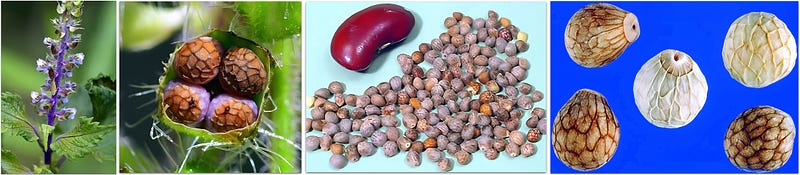
Ecology
P. frutescens var. crispa originated in the Himalayan foothills but became culturally embedded across East Asia, notably in Japan, Korea, and China. It prefers moderate rainfall and neutral soil pH between 6.0 and 7.5. The plant supports pollinators such as bees and small flies, contributing to agro-ecological diversity in smallholder systems. Its root network enhances soil aeration and organic content. In North America, escaped populations have naturalized, particularly in the southern United States, where it is considered mildly invasive. Despite this, shiso cultivation can align with regenerative agriculture principles: it requires minimal fertilizer input, provides pollinator forage, and sequesters roughly 1.5–1.8 tons of carbon per hectare (0.6–0.7 tons per acre) annually through biomass and root deposition.
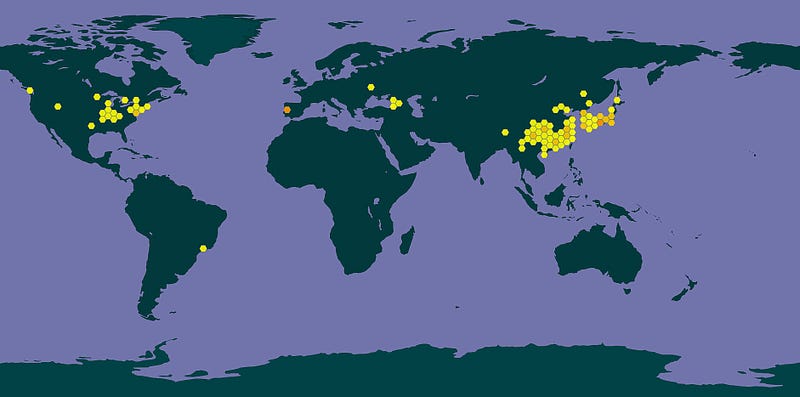
Uses
All aerial parts of P. frutescens var. crispa are edible and bioactive. Average fresh leaf yield is 18,000–22,000 kg per hectare (16,000–19,600 lb per acre). Seeds produce an oil yield of about 900–1,100 kg per hectare (800–980 lb per acre), containing up to 64% α-linolenic acid (ALA), an omega-3 fatty acid. Caloric value of the oil is about 884 kcal per 100 g (884 kcal per 3.5 oz). The leaves are rich in vitamin C, calcium, iron, and rosmarinic acid; anti-nutrients such as oxalates and tannins are minor and neutralized by blanching.
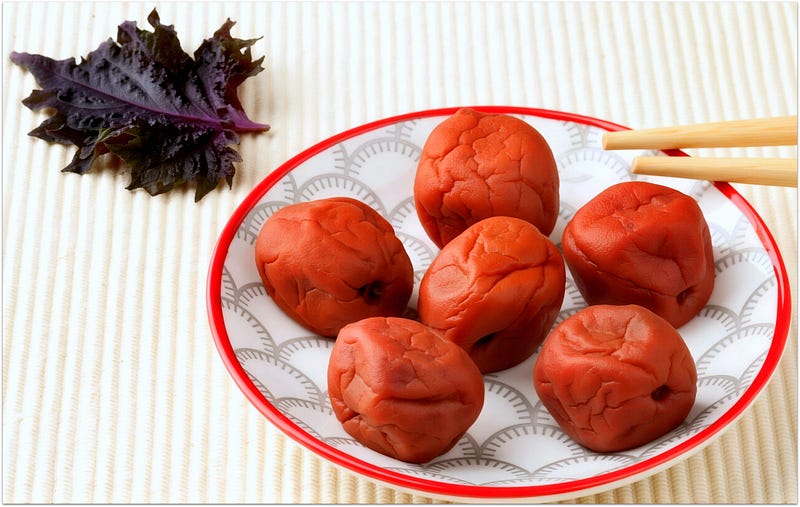
In Japanese cuisine, green shiso is used fresh in sashimi presentations, sushi rolls, tempura garnishes, and salads. Red shiso serves as a natural dye and flavoring in umeboshi (pickled plums), shiso juice, and traditional rice condiments. Its floral notes and subtle spice allow cross-cultural adaptation — now appearing in Western cocktails, sorbets, and infused oils. The herb’s volatile compounds are thermolabile, meaning they degrade at temperatures above 60°C (140°F); thus, raw or lightly cooked applications best preserve aroma.
Medicinally, P. frutescens var. crispa occupies a central place in East Asian pharmacopeia. Traditional Chinese medicine describes its use to “release the exterior,” a concept corresponding to anti-inflammatory and bronchodilatory effects. Active constituents — perillaldehyde, rosmarinic acid, luteolin, and apigenin — show pharmacological evidence for antiallergic and anxiolytic effects. Clinical trials have demonstrated moderate efficacy in seasonal allergies and mild asthma. Extracts standardized to 20% rosmarinic acid are common in dietary supplements at dosages of 250–500 mg per day. Safety is well established at dietary levels, though concentrated essential oil ingestion can be toxic, leading to respiratory distress in livestock; thus, essential oil use in animal feed is regulated.
The byproducts of shiso cultivation, such as seedcake, are used as high-protein animal feed with crude protein content around 25%. Oilcake residues enhance the fatty acid composition of poultry eggs and meat. Shiso’s fibrous stems, when retted, yield a soft cellulose fiber suitable for handmade paper and biodegradable composites. On a commercial scale, extraction of perillaldehyde uses steam distillation or supercritical CO₂ methods, yielding concentrations between 0.8–1.2% of fresh biomass. These extracts are utilized in perfumes, natural flavoring agents, and functional foods for their mint-cinnamon aromatic signature.
Global market demand for shiso has increased with Japanese and Korean cuisine. South Korea, Japan, and China dominate production, while the United States and Europe have begun controlled greenhouse cultivation. Fresh leaves retail between USD $4.00 and $10.00 per 100 g ($1.80–$4.50 per 3.5 oz), depending on color and organic certification. The herb is recognized as GRAS (Generally Recognized As Safe) under U.S. FDA guidelines, though labeling must disclose potential allergenicity. No CITES or endangered status applies, and its cultivation aligns with sustainable and traceable agro-standards like JAS Organic and HACCP.
Culinary Aspects
The sensory complexity of P. frutescens var. crispa sets it apart. Green shiso presents bright, mint-like freshness with undertones of citrus and cumin, yielding a crisp, refreshing palate. Red shiso, deeper and more tannic, exhibits plum, clove, and cinnamon notes with faint metallic aftertones. Both share a soft, velvety texture and an aroma that lingers on the tongue through chemesthetic cooling. Shiso’s flavor matrix interacts dynamically with fat and acid: it tempers the richness of raw fish, enhances fermented foods, and adds contrast to grilled meats. The leaf’s pigment contributes visually striking garnishes that engage multiple senses — sight, scent, and taste in a single bite.
Wine Pairings
Pairing wines with shiso requires sensitivity to its aromatic spectrum. For green shiso in sashimi or sushi, a dry Alsatian Riesling complements its sharp herbal brightness, while its acidity cuts through the oiliness of fish. Red shiso’s earthy-spiced profile pairs elegantly with lighter reds such as Jura Trousseau or Loire Valley Cabernet Franc, whose minerality and restrained tannins align with shiso’s anthocyanin-driven depth. In fusion dishes like shiso pesto or shiso-infused ceviche, a crisp Verdejo or Basque Txakolina enhances the citrus and herbal tension. Shiso’s complexity rewards experimentation: wines with high aromatic intensity but controlled body achieve the most harmony.
Conclusion
Perilla frutescens var. crispa is more than a herb — it is a sensory ecosystem linking agriculture, gastronomy, and pharmacology. Its fragrant leaves encapsulate a thousand years of East Asian refinement, now reimagined for a global audience seeking flavor with function. As regenerative agriculture and nutraceutical science converge, shiso’s dual heritage as food and medicine offers a model for sustainable botanical innovation. What began as a humble garden herb now symbolizes the future of conscious cultivation — where taste and wellness grow from the same root.