The Alchemy of Flavor: Exploring the World of Garam Masala
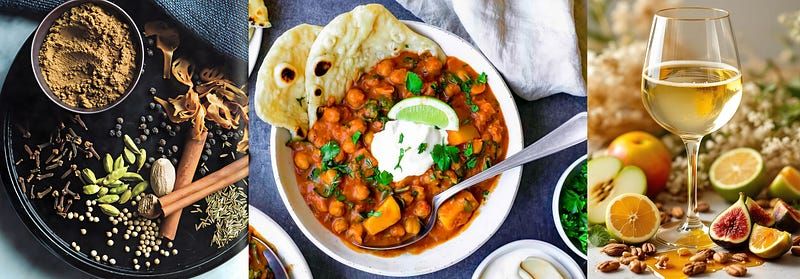
Across the kitchens of South Asia, a spoonful of Garam Masala transforms the ordinary into the extraordinary. This spice blend is not a single plant or mineral, but a careful orchestration of seeds, bark, pods, and roots brought together into a culinary symphony.
Introduction
Across the kitchens of South Asia, a spoonful of Garam Masala transforms the ordinary into the extraordinary. This spice blend is not a single plant or mineral, but a careful orchestration of seeds, bark, pods, and roots brought together into a culinary symphony. Each component is grounded in biology, ecology, and agriculture, yet when combined, they transcend their individual origins. To study Garam Masala is to study the geography of trade, the resilience of crops, and the cultural identity of entire regions.
Taxonomy
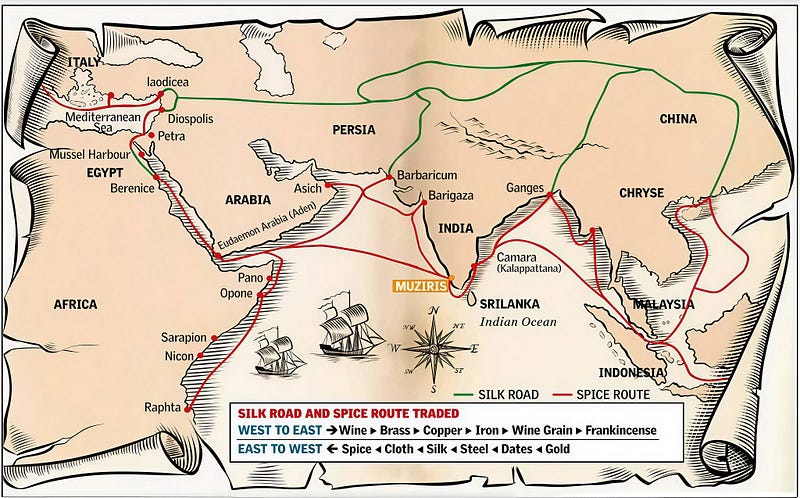
Unlike a single species, Garam Masala is a composite, its taxonomy spanning several botanical families. Cumin (Cuminum cyminum) belongs to the Apiaceae, coriander (Coriandrum sativum) to the same family, cardamom (Elettaria cardamomum) to the Zingiberaceae, cinnamon (Cinnamomum verum) to the Lauraceae, cloves (Syzygium aromaticum) to the Myrtaceae, and black pepper (Piper nigrum) to the Piperaceae. Nutmeg (Myristica fragrans), mace, fennel, bay leaf, and dried chili often join the ensemble. Each carries its own evolutionary adaptations, from the volatile oils of cardamom seeds to the lignin-rich bark of cinnamon. The taxonomic spread reveals why this blend could only emerge from trade networks linking forests, farms, and coasts.
Biology
The biology of Garam Masala is the biology of its parts. Cardamom thrives in humid understories, producing green pods that enclose seeds rich in cineole. Black pepper climbs as a woody vine, yielding berries that wrinkle into pungent globes when dried. Cinnamon is peeled from the inner bark of evergreen trees, regenerating after harvest. Cumin and coriander are annual herbs whose seeds carry concentrated stores of essential oils. Together, these biological traits make the spices storable, portable, and long-lasting — perfect for blending across seasons and distances.
Ecology
Each ingredient has its ecological niche. Cumin favors arid soils, coriander grows in temperate fields, cardamom depends on shade-grown forestry, and cloves once demanded the volcanic soils of the Maluku Islands. These ecological conditions shaped colonial histories as much as cuisines. Sustainability today requires mindful sourcing: shade-grown cardamom preserves rainforest canopies, fair-trade cinnamon supports smallholder farmers, and organic coriander reduces pesticide runoff. Garam Masala is thus not just a flavor but an ecological footprint scattered across continents.
Uses
Garam Masala functions as both flavor and preservative; its antimicrobial compounds inhibit bacterial growth in food. Economically, the spice trade has been worth billions, from medieval caravans to modern export markets. India remains the center of production and consumption, though global demand ensures a steady supply chain stretching from Sri Lankan cinnamon plantations to Guatemalan cardamom estates. Sustainability initiatives now push for transparent sourcing, ensuring that farmers receive fair compensation while ecosystems are not stripped for profit.
Other Types of Masalas
- Chat (sometimes chaat) masala is a tart and salty spice blend which gets its unique taste from AMCHUR, the sharp, lemony seasoning made from ground, dried, unripe mangoes. The other elements in the mixture are variable; they can include ground asafoetida, mint, ginger, ajowan, cayenne, black salt, black pepper, cumin, coriander, and dried pomegranate seeds. Chaat masala is used to flavor the salad-like dishes known as chaats (the most popular ones are made with shredded cooked chicken and mixed fruit) and as a seasoning when a sharp, hot, and tart flavor is required.
- Dhansak masala is a ‘hot’ Parsi spice mixture used for Dhansak dishes.
- Gujerati masala is another ‘hot’ spice mixture with the addition of chillies, sesame seeds, fennel seeds, and ajowan seeds.
- Kala masala (or black masala — kala means black) consists of pepper, clove, cinnamon, and other black spices.
- Kashmiri masala is closely related to garam masala; its flavor is milder, being dominated by the fragrant green cardamom. It is used in the far n. of India and, of course, in Kashmir. It is particularly used to flavor dishes cooked by the dum method, i.e., baked in a sealed pot.
- Sambar masala, also known as sambar podi, is a special spice mixture of the Parsis and of South India. India, widely used in vegetarian Brahman cooking, see Sambar. It is a tart mixture made up of toasted ground split peas (dal), coriander, cumin, black peppercorns, and fenugreek powder.
- Taaza (or green) masala (taaza meaning fresh or new) is a green spice paste based on fresh coriander leaves, mint, garlic, and ginger. It is added to meat or fish stews or vegetable dishes to give extra flavor.
- Xacutti (or shakuti) masala is a specialty of Goa. Spices such as coriander seeds, cumin, black peppercorns, fenugreek, and chillies are blended with coconut, roasted until quite dark in color, and then fried, giving a toasted nutty taste and lending a dark color to curries.
- Char masala, a blend of spices used in Afghanistan, is closely related to the Indian garam masala. Char means ‘four’ in Persian, and this spice mixture can be a combination of any four spices, such as green cardamom, black pepper, cumin, cloves, black cardamom, and cinnamon.
Culinary Aspects
The sensory profile of Garam Masala is complex. Its taste mingles the sharp heat of black pepper with the earthy warmth of cumin and the sweet resin of cinnamon. The flavor profile is layered, with bright top notes from coriander and cardamom balanced against the depth of cloves and nutmeg. The aroma is warm, heady, and slightly floral, filling the kitchen with a perfume that lingers. The mouthfeel is warming, with a tingle on the tongue from piperine and eugenol. The texture is typically fine and powdery, blending seamlessly into stews and sauces.
Balance and complexity are its essence: no one spice dominates if the proportions are correct. The aftertaste is warming rather than burning, with a finish that resonates in the chest like a faint ember. Its appearance ranges from tawny brown to deep russet, depending on the mix. In terms of chemesthesis, the tingling and warming sensation is subtle, never overwhelming. Culturally, Garam Masala is central to Indian cooking but has influenced British curries, Caribbean stews, and even modern fusion cuisines. Nutritionally, its antioxidants and anti-inflammatory compounds add hidden benefits, though they are best appreciated in synergy rather than isolation.
Wine Pairings
Pairing wine with Garam Masala requires nuance, since the blend is both aromatic and warming. Gewürztraminer from Alsace, with its lychee and rose petal notes, complements the spice’s floral cardamom and coriander. A New World Shiraz, full-bodied with pepper and dark fruit, mirrors the black pepper and cloves. Riesling, especially a slightly off-dry version, balances the heat with its acidity and sweetness. Sparkling rosé provides a refreshing counterpoint, lifting the heaviness of spice-laden dishes with bright bubbles.
Conclusion
Garam Masala is a culinary prism that refracts the light of biology, ecology, and history into a spectrum of flavor. It is not merely a seasoning but a legacy of agriculture, trade, and cultural exchange. To appreciate it fully is to honor both the forests where cinnamon grows and the fields where cumin ripens, as well as the hands that blend them. In a time when global supply chains risk ecological strain, the future of Garam Masala depends on mindful consumption and sustainable sourcing. Every pinch carries both memory and responsibility.