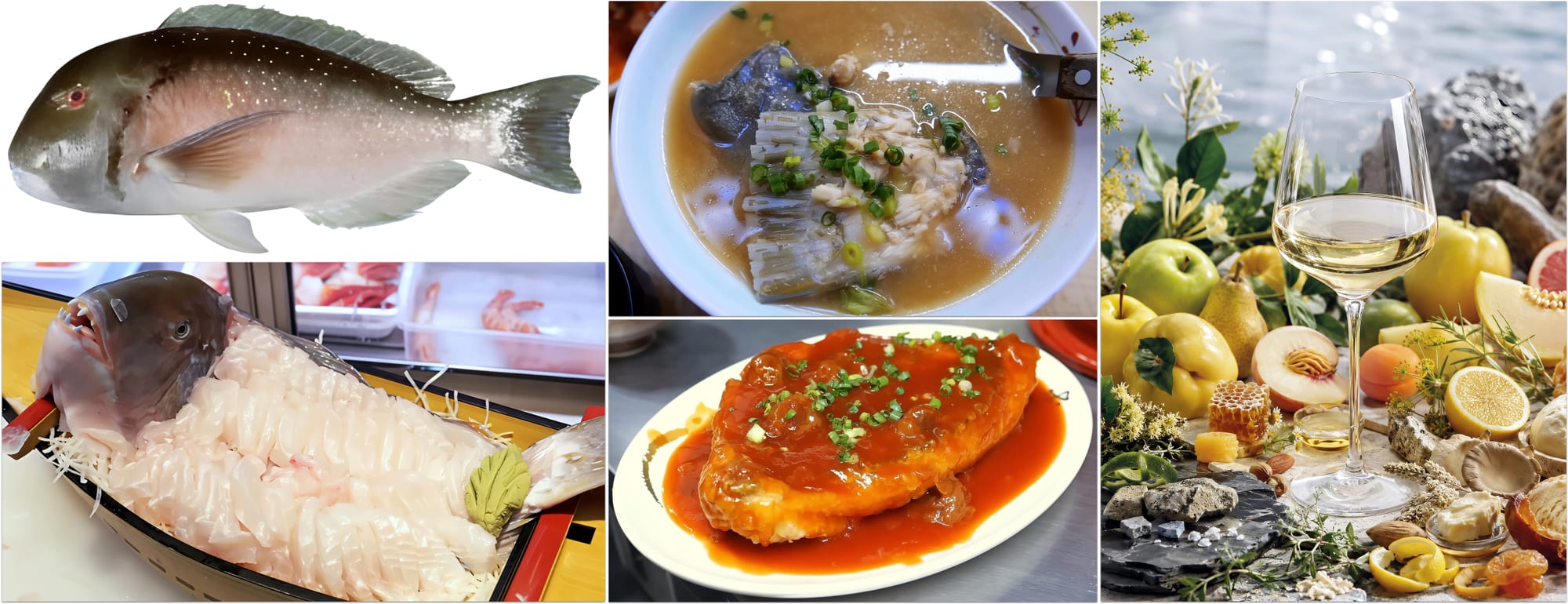
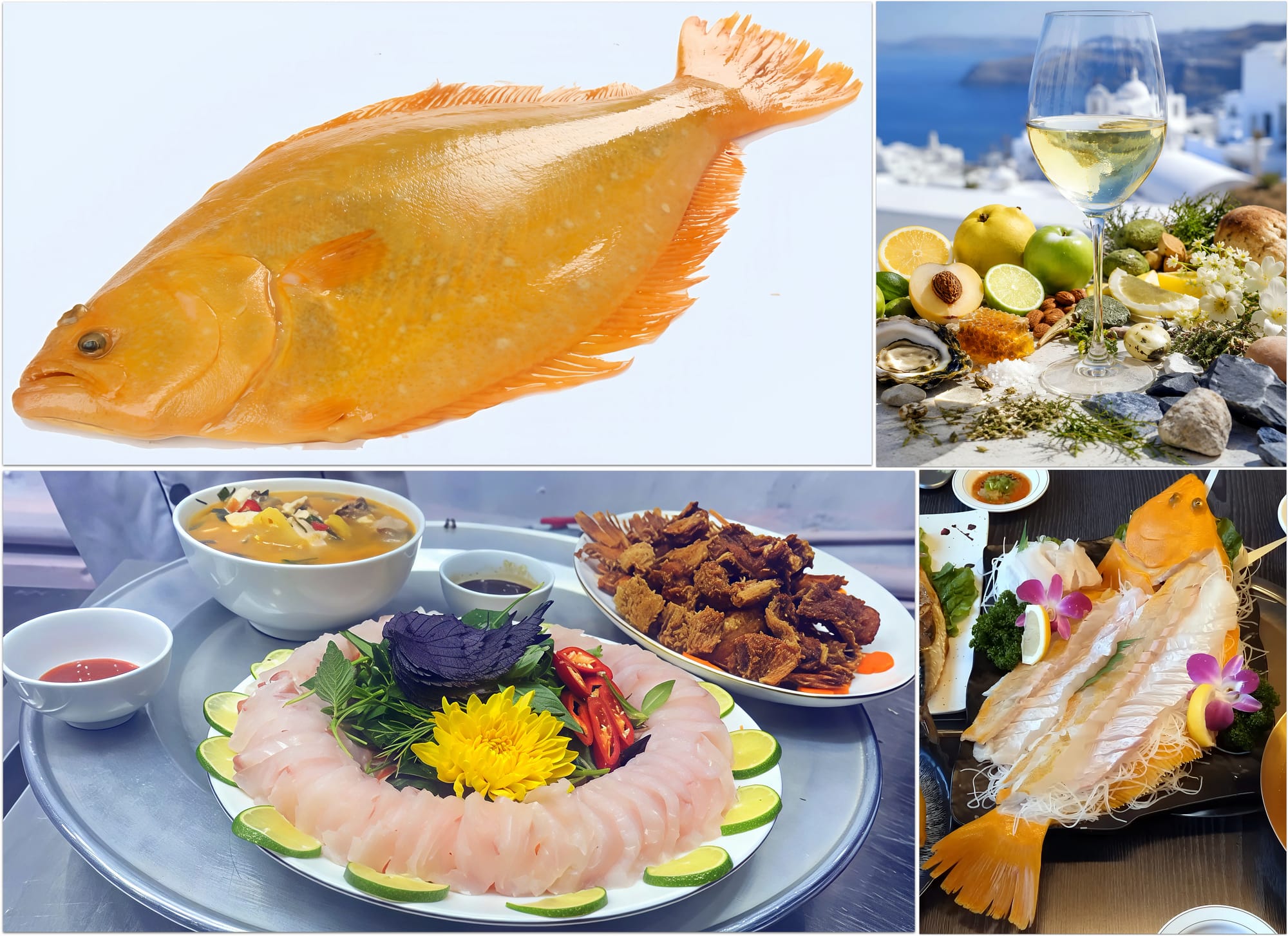
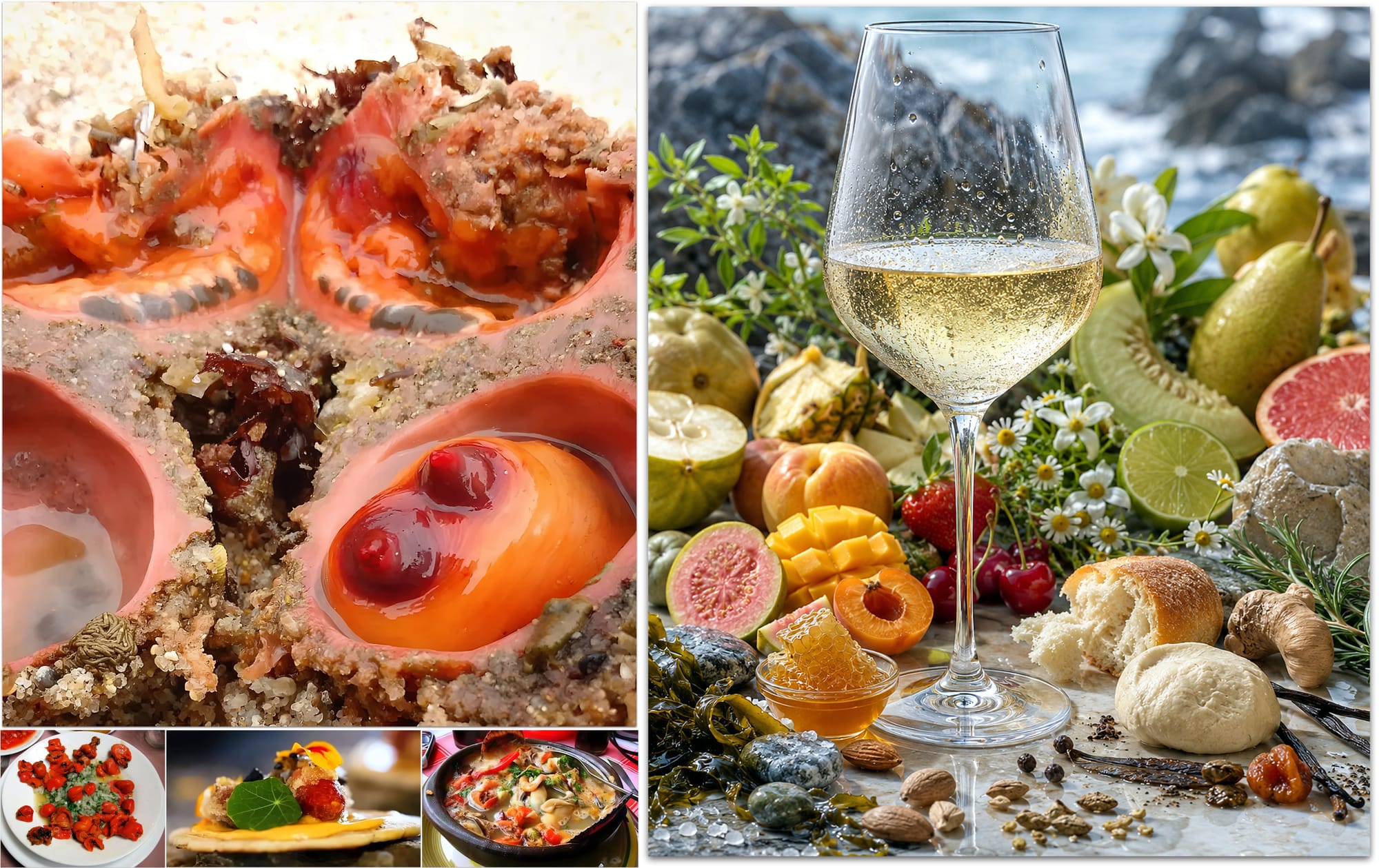
The Largescale Blackfish: A Coastal Jewel of Biology, Cuisine, and Sustainability
The largescale blackfish is more than just a species pulled from the surf. It is a reminder that the ocean’s bounty is not infinite and that the choices of chefs, anglers, and consumers can shape the fate of a species.
Introduction
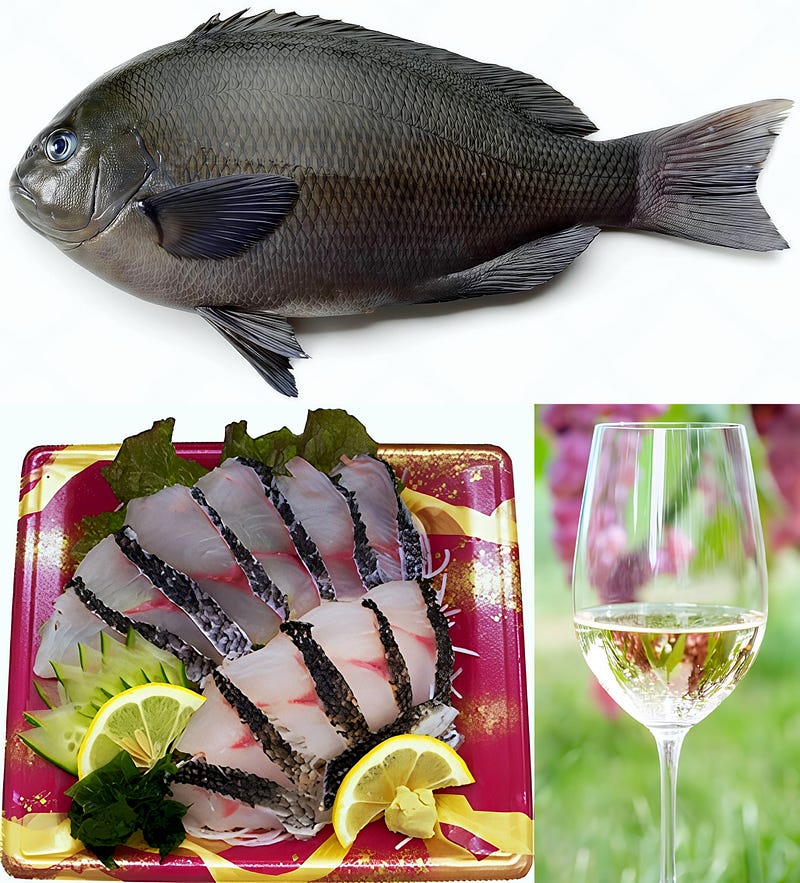
Along the rocky shores of East Asia, where currents braid together warm and cold waters, swims a fish as understated as it is significant — the largescale blackfish, Girella punctata. Known to anglers and chefs for centuries, this species embodies the tight weave between ecology, culture, and sustenance. Its presence tells a story not only of marine adaptation but also of the enduring relationship between people and the sea. To explore the largescale blackfish is to follow a thread that ties together taxonomy, biology, culinary tradition, and the increasingly urgent question of sustainability.
Taxonomy
The largescale blackfish belongs to the family Kyphosidae, often called sea chubs, a group of coastal species that thrive among reefs and rocky bottoms. Scientifically named Girella punctata, it is recognized by several common names, including “largescale drummer” and “black drummer.” No formal subspecies are widely recognized, but regional populations along Japan, Korea, and parts of China exhibit slight morphological variations. Within markets, this fish is often grouped with related species, though the largescale blackfish is distinguished by its prominent scales, which give it both its name and its distinctive appearance.
Biology
This medium-sized fish typically reaches 18 to 24 inches (45 to 60 cm) in length, though some individuals grow as large as 28 inches (70 cm). A specimen weighing 6 pounds (2.7 kg) is considered average, but records note fish exceeding 11 pounds (5 kg). Its body is oval and robust, cloaked in dark gray to charcoal hues that shift subtly depending on water clarity and diet. Juveniles exhibit vertical bands, which fade as they mature.
Adapted to turbulent coastal waters, Girella punctata possesses strong jaws lined with incisors well-suited for grazing on algae and seaweed. Unlike many predators of the sea, it thrives on a mostly herbivorous diet, though it opportunistically consumes small invertebrates. Its long lifespan, often more than 15 years, allows for a slow but steady reproduction cycle, an important factor when considering sustainable harvest.
Ecology
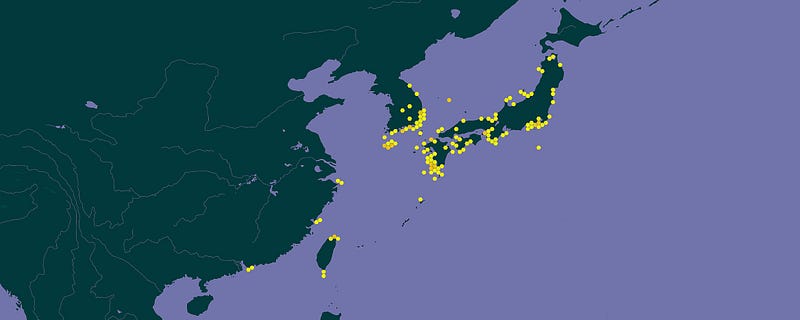
Native to the northwestern Pacific, the largescale blackfish inhabits rocky reefs, kelp forests, and coastal shallows from southern Japan to Taiwan. It prefers temperate waters between 59°F and 73°F (15°C to 23°C), where seasonal migrations bring schools closer to shore. Its ecological role is crucial, as its grazing habits help regulate algal growth and maintain healthy reef ecosystems.
Yet, its very popularity has placed pressure on wild populations. Intensive fishing along Japanese and Korean coasts has led to concerns about overharvesting. As a slow-growing species with later sexual maturity, it is vulnerable to declines if catches outpace reproduction. Today, conversations about sustainable fishing practices increasingly include this species, with aquaculture emerging as a possible buffer against depletion.
Uses
Economically, the largescale blackfish is prized in local fisheries and markets. Its value lies not only in direct consumption but also in recreational fishing, where it is admired for its fighting spirit once hooked. While not as globally traded as tuna or mackerel, regional demand keeps it a steady presence in coastal economies. Its relatively high market price in Japan reflects both its culinary reputation and its seasonal availability.
From a sustainability standpoint, its herbivorous diet positions it more favorably than carnivorous species in aquaculture, as it requires fewer protein-rich feed inputs. However, aquaculture programs remain small compared to wild capture, suggesting untapped potential in future food security strategies.
Culinary Aspects
In the kitchen, largescale blackfish offers flesh that is firm yet delicate, with a mild flavor that carries a subtle sweetness. Its texture makes it versatile — equally suited for grilling, steaming, or serving raw in sashimi preparations. In Japanese cuisine, it is often prepared as “mebaru sashimi,” where its translucent flesh is sliced thin to highlight its clean taste. Grilled over charcoal, the skin crisps to a savory crunch while the flesh retains a moist succulence.
Nutritionally, a 3.5 oz (100 g) portion provides lean protein with minimal fat, alongside beneficial omega-3 fatty acids. Its relatively low oil content makes it lighter than mackerel but more robust in texture than flounder, offering chefs a middle ground between delicacy and substance.
Wine Pairings
The largescale blackfish’s mild profile pairs well with crisp, mineral-driven white wines that mirror its oceanic freshness. A chilled glass of Muscadet from France’s Loire Valley, with its saline edge, echoes the fish’s coastal origins. Japanese Koshu wine, light-bodied with subtle citrus notes, creates harmony when the fish is served raw or lightly steamed. For grilled preparations, a Sauvignon Blanc with herbal undertones complements both the charred skin and the grassy flavors imparted by the fish’s seaweed-rich diet.
Conclusion
The largescale blackfish is more than just a species pulled from the surf. It is a reminder that the ocean’s bounty is not infinite and that the choices of chefs, anglers, and consumers can shape the fate of a species. By appreciating Girella punctata not only for its culinary virtues but also for its ecological importance, we place value on both flavor and future. To taste this fish is to savor not only the present but also to shoulder a responsibility toward sustainability, ensuring that generations to come can experience the same connection between sea and table.