The Desert’s Feathered Mosaic: Exploring the Scaled Quail (Callipepla squamata)
For ecologists, hunters, and culinary enthusiasts alike, the scaled quail offers a story where biology, culture, and sustainability converge.
Introduction
Across the arid landscapes of the American Southwest and northern Mexico, a small bird with an intricate feather pattern shuffles through mesquite thickets and dusty washes. Known as the scaled quail, or Callipepla squamata, this ground-dwelling species embodies resilience in harsh terrain. Its distinctive plumage resembles chainmail, giving the bird both its common name and its striking visual identity. For ecologists, hunters, and culinary enthusiasts alike, the scaled quail offers a story where biology, culture, and sustainability converge.
Taxonomy
The scaled quail belongs to the family Odontophoridae, which includes New World quail species. Its genus, Callipepla, also contains the Gambel’s quail (Callipepla gambelii) and California quail (Callipepla californica). The scaled quail is divided into four recognized subspecies: the northern scaled quail (C. s. pallida), chestnut-bellied scaled quail (C. s. castanogastris), plain chachalaca-like scaled quail (C. s. squamata), and C. s. hargravei. Regional hunters often distinguish them by subtle differences in plumage tones and belly coloration. The bird is widely known in Spanish as “codorniz escamosa,” reflecting its cultural importance across the borderlands.
Biology
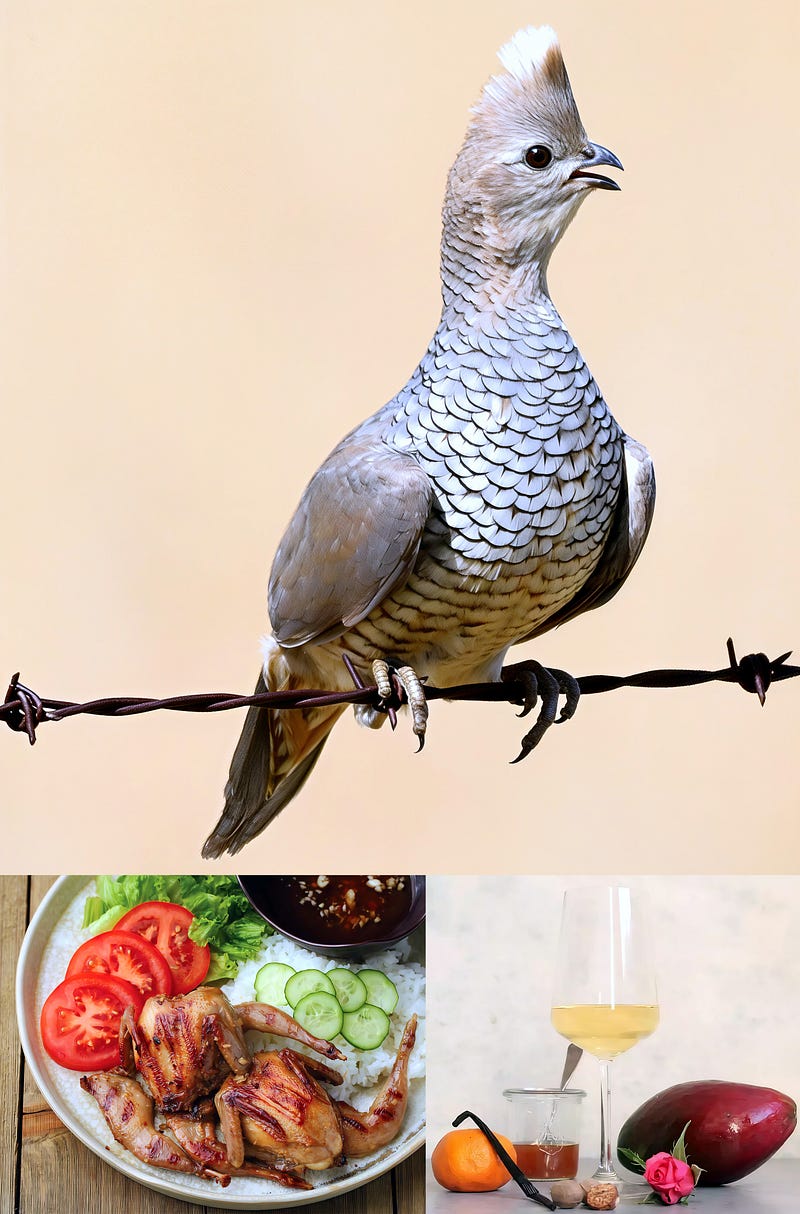
The scaled quail is medium-sized, measuring about 10.5 in (27 cm) in length and weighing roughly 6 oz (170 g). Its grayish-brown body is overlaid with scaled feathering, while the head bears a short crest shaped like a tufted peak. Unlike the flamboyant plumes of Gambel’s quail, the crest of the scaled quail is modest, an emblem of understatement in the desert.
Breeding occurs in spring, when females lay clutches averaging 12 eggs. In years of abundant rainfall, a hen may raise two broods, capitalizing on insect flushes and seed availability. Chicks are precocial, leaving the nest within hours, their survival tied to camouflage and quick movement across open ground. Lifespans average only two to three years, but populations endure through prolific reproduction and adaptability.
Ecology
Scaled quail favor semi-arid grasslands, shrublands, and desert valleys, often ranging from Texas and New Mexico to central Mexico. They prefer habitats with scattered cover, balancing open foraging grounds with the protection of yucca, mesquite, or prickly pear cactus. As omnivores, they consume seeds, grasses, leaves, and insects, contributing to seed dispersal and insect control.
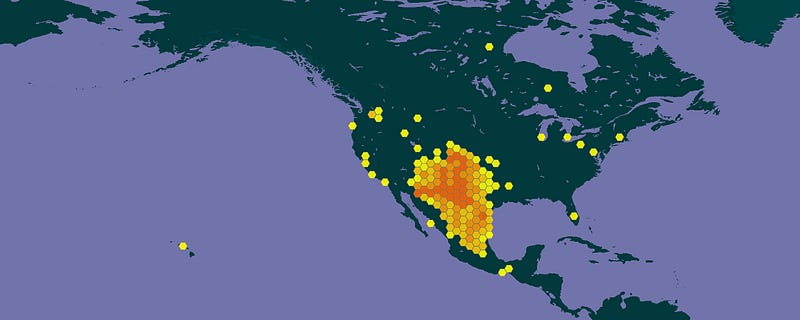
Conservation concerns arise from overgrazing, habitat fragmentation, and drought cycles. While populations remain stable in many areas, localized declines underscore the need for sustainable rangeland management. Wildlife agencies encourage habitat mosaics — patches of cover interspersed with open space — to support both scaled quail and broader desert biodiversity.
Uses
Historically, scaled quail held economic and cultural significance in rural communities. They have been pursued as a game bird for centuries, valued for both sport and sustenance. Hunting seasons in Texas, Oklahoma, and New Mexico still attract enthusiasts, though bag limits and habitat conditions dictate fluctuating yields. Beyond recreation, the bird’s economic footprint lies in conservation funding: license fees and quail stamp programs funnel resources into land stewardship and habitat restoration.
Culinary Aspects
For those familiar with upland game cuisine, scaled quail offers a distinctive flavor that bridges the earthiness of wildfowl with the tenderness of chicken. The taste profile is delicately gamey, with a subtle nutty undertone reflecting its seed-rich diet. Its aroma carries a faint grassiness, while the mouthfeel is lean yet succulent when cooked properly. The texture is firmer than domestic poultry but less dense than duck, with a clean finish that avoids lingering heaviness.
Culturally, quail dishes appear across Mexican and Southwestern culinary traditions. They may be roasted whole, grilled over mesquite coals, or braised in chile sauces. Nutritionally, a 3.5 oz (100 g) serving provides about 123 calories, 21 g of protein, and 3 g of fat, making it both lean and protein-rich. When wrapped in bacon, stuffed with wild herbs, or glazed with honey-chile marinades, scaled quail embodies rustic elegance on the plate.
Wine Pairings
Scaled quail pairs beautifully with wines that mirror its balance of delicacy and depth. A light-bodied Pinot Noir, with notes of cherry and forest floor, complements grilled quail by enhancing its earthy nuance without overpowering it. For spicier preparations such as chile-braised quail, a Tempranillo from Spain offers robust tannins and dried fruit undertones that stand up to the heat. White wine enthusiasts may prefer a Viognier, whose floral aromatics and stone fruit flavors harmonize with roasted quail in herb butter. Each pairing underscores the quail’s versatility as both a rustic and refined ingredient.
Conclusion
The scaled quail is more than a desert bird scurrying between cactus shadows. It represents resilience in fragile ecosystems, a culinary tradition steeped in regional identity, and a reminder of the balance between human use and ecological stewardship. Whether encountered on a dusty trail in New Mexico, a ranch table in Texas, or a carefully paired dining setting, Callipepla squamata weaves together threads of biology, culture, and sustainability. Its future depends on landscapes where the sound of coveys flushing into the air remains a living symbol of the American Southwest.