Wings of Shadow and Light: The World of the Cormorant
Introduction In the soft gray light of dawn, where the sea exhales mist and the horizon blurs into a watercolor haze, a dark silhouette…
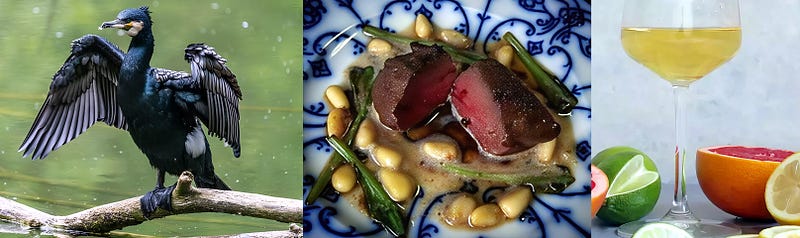
Introduction
In the soft gray light of dawn, where the sea exhales mist and the horizon blurs into a watercolor haze, a dark silhouette rises from the water. Wings spread wide, glistening droplets falling from sleek feathers, the cormorant is both sentinel and fisherman. For centuries, this bird of the genus Phalacrocorax has stirred fascination and debate — an emblem of mastery over the ocean’s bounty and a subject of conflict where human fishing grounds overlap with its domain. Today, as global waters warm and food chains shift, the cormorant stands at the confluence of biology, tradition, and sustainability.
Taxonomy
Cormorants belong to the family Phalacrocoracidae, a lineage that includes more than 40 species scattered across the globe. From the Great Cormorant (Phalacrocorax carbo), a familiar sight along European and North American coasts, to the Japanese Cormorant (Phalacrocorax capillatus) once trained for fishing on the Nagara River, these birds display remarkable diversity. In some coastal regions, the Indian Cormorant (Phalacrocorax fuscicollis) is esteemed not only for its ecological role but also for its historical place in artisanal fishing. The genus name itself, drawn from the Greek phalakros meaning “bald” and korax meaning “raven,” evokes their dark, sleek plumage and raven-like form.
Biology
With bodies built for pursuit, cormorants boast streamlined shapes, webbed feet, and a hooked bill perfect for grasping slippery prey. Adults range from 28 inches (71 cm) in length to the massive Flightless Cormorant (Phalacrocorax harrisi) of the Galápagos, which can exceed 39 inches (99 cm) in length. Unique among many waterbirds, their feathers are only partially waterproof, allowing them to dive with less buoyancy and chase fish at depths exceeding 150 feet (46 m). After a hunt, they must dry their wings, a pose immortalized in coastal folklore. Their life cycle includes strong pair bonds during the breeding season, with nests built from seaweed and grasses, often in vast colonies that fill the air with guttural calls.
Ecology
Cormorants inhabit a range of environments from rocky seacoasts to inland lakes. They are apex mesopredators, playing a balancing role in aquatic ecosystems by keeping fish populations in check. Yet their success has also made them controversial in commercial fishing zones, where their consumption can reach over 1 pound (0.45 kg) of fish per day per bird. In the past century, populations of some species were decimated by pollution and persecution, while others rebounded dramatically after water quality improvements. Today, conservation policies seek equilibrium, protecting native species while managing their numbers, where human interests and ecological health must align.

Uses
Historically, cormorants were valued partners in traditional fishing methods. In Japan and China, fishermen tied a loose snare around the bird’s neck to prevent swallowing larger fish, retrieving the catch once the cormorant returned to the boat. This symbiotic practice, now largely ceremonial, remains a vivid example of human-animal cooperation. Economically, cormorants are not a major food source in most regions, though their feathers and bones have appeared in crafts and tools in indigenous cultures. Sustainable ecotourism, focused on birdwatching and cultural heritage, has begun to replace extractive uses, turning the cormorant into an ambassador of coastal identity.
Culinary Aspects
In limited areas, particularly among Arctic and subarctic communities, cormorants have been hunted for their meat. The flesh, dark and dense with an unmistakably fish-forward flavor, requires careful preparation to remove strong oils. Traditional cooking methods often involve boiling with herbs or slow roasting to mellow its intensity. Nutritionally, cormorant meat is rich in protein and omega-3 fatty acids, though it is not widely traded due to conservation laws and cultural preferences. Where eaten, it remains a seasonal, locally rooted dish rather than a market commodity.
Wine Pairings
For those rare occasions when cormorant is served, the robust, oily character of its meat demands wines with high acidity and aromatic complexity. A chilled Albariño from Spain, with citrus and saline notes, mirrors the bird’s maritime origins, cutting through richness while elevating the meal. Alternatively, a Pinot Noir from Oregon offers red fruit brightness and subtle earthiness, balancing the gamey undertones. In regions where cormorant is more a cultural curiosity than a staple, these wines serve as thoughtful complements in storytelling and shared culinary heritage.
Conclusion
The cormorant embodies a paradox — reviled by some as a competitor, revered by others as a master fisher and cultural symbol. Its story is one of adaptability and survival, woven through human history as both ally and adversary. As climate change redraws coastlines and alters marine abundance, our relationship with the cormorant will remain a test of coexistence. Protecting its place in the ecosystem is not merely about safeguarding a bird, but about honoring the ancient balance between water, wing, and world.