It Depends: On Whether You’re Buying Convenience or the Perpetuation of Shame
Dignity isn’t found in a clandestine delivery; it is found in the unapologetic act of meeting one’s own needs, in public or in private, without a hint of apology.
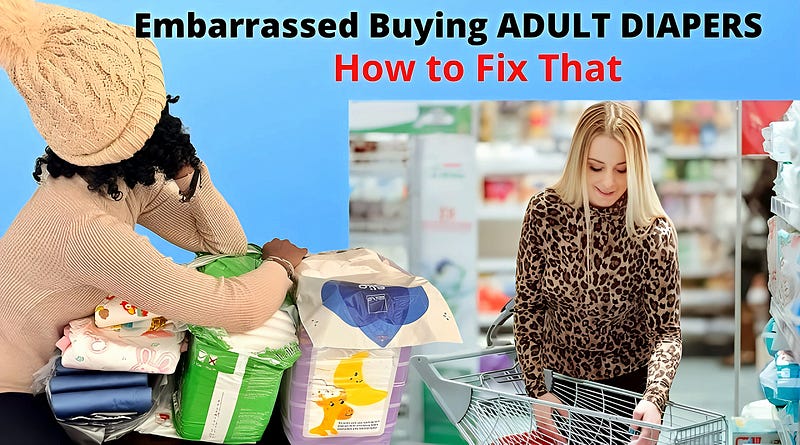
Of all the insidious and patronizing statements woven into the fabric of modern digital marketing, few are as dripping with misplaced condescension as the promise that you can now “buy your Depends online so you don’t have to embarrass yourself.” This declaration, masquerading as a convenience, is not a liberation from shame but rather a profound reinforcement of it. It is a statement that diagnoses the problem incorrectly: the embarrassment is not in the act of purchasing a medical product, but in the societal stigma that the advertisement itself validates and exploits.
The core of the argument is built on a flawed and cynical premise: that human dignity is so fragile it can be shattered by the contents of a shopping cart. The advertisement does not seek to normalize a common human experience — millions of adults manage incontinence due to age, childbirth, surgery, or illness — but instead offers a way to hide it. It whispers, “We know this is humiliating. We agree. So let’s conspire together to keep your secret.” This transforms a simple, functional product into a symbol of shame, and the online shopping cart into a digital brown paper bag. The solution offered is not empowerment, but invisibility. It caters to the judgmental gaze of a hypothetical, and likely imaginary, supermarket cash-out-line critic rather than challenging that gaze’s right to exist.
Furthermore, this marketing ploy ignores the reality of the very experience it claims to solve. The act of going to a store, selecting a product from a shelf, and purchasing it is an act of agency. It is a quiet, personal declaration of, “I have a need, and I am meeting it.” To frame this as an ordeal to be avoided is to strip away that agency and replace it with secrecy. The true embarrassment is not in the purchase, but in the internalized belief that one’s bodily functions are a source of disgrace. By offering a “solution” that avoids public interaction, these ads reinforce the very stigma that causes the discomfort in the first place. They profit from insecurity rather than attempting to dissolve it.
The most damaging implication, however, is the isolation it promotes. The message is clear: you are alone in this. Your condition is something to be hidden from your community, from the friendly cashier you see every week, and from the fellow shoppers who are undoubtedly too preoccupied with their own lives to scrutinize your purchases. Choosing the anonymous, algorithmic transaction over the human one severs a small but meaningful thread of community. It suggests that our shared spaces are not safe for vulnerability and that normal human needs are incompatible with public life. This fosters a lonely world where everyone is secretly managing their supposed embarrassments alone in their homes, waiting for a discreet cardboard box to arrive on their doorstep.
In the end, the stupidest part of the statement is not its offer of convenience — online shopping for these products is, objectively, convenient for many reasons, from bulk buying to cost comparisons. The stupidity lies in its chosen sales pitch. It sells a product by selling shame. True progress would be an advertisement that says, “Depends: For your comfort and confidence, available wherever you shop,” normalizing the product alongside toilet paper and toothpaste. The goal should not be to help people hide from a judgmental world, but to create a world that doesn’t judge in the first place.
Dignity isn’t found in a clandestine delivery; it is found in the unapologetic act of meeting one’s own needs, in public or in private, without a hint of apology. The real embarrassment isn’t buying Depends at the grocery store; it is believing the marketing that says you should be embarrassed to do so.