The Langoustine: Biology on the Plate and the Future of a Fiery Crustacean
The langoustine becomes a study in dual belonging: a creature shaped by a fragile benthic world yet transformed into culinary luxury. Its story reflects how stewardship, knowledge, and appetite must align so that savoring a species also sustains the system that makes it possible.
Introduction
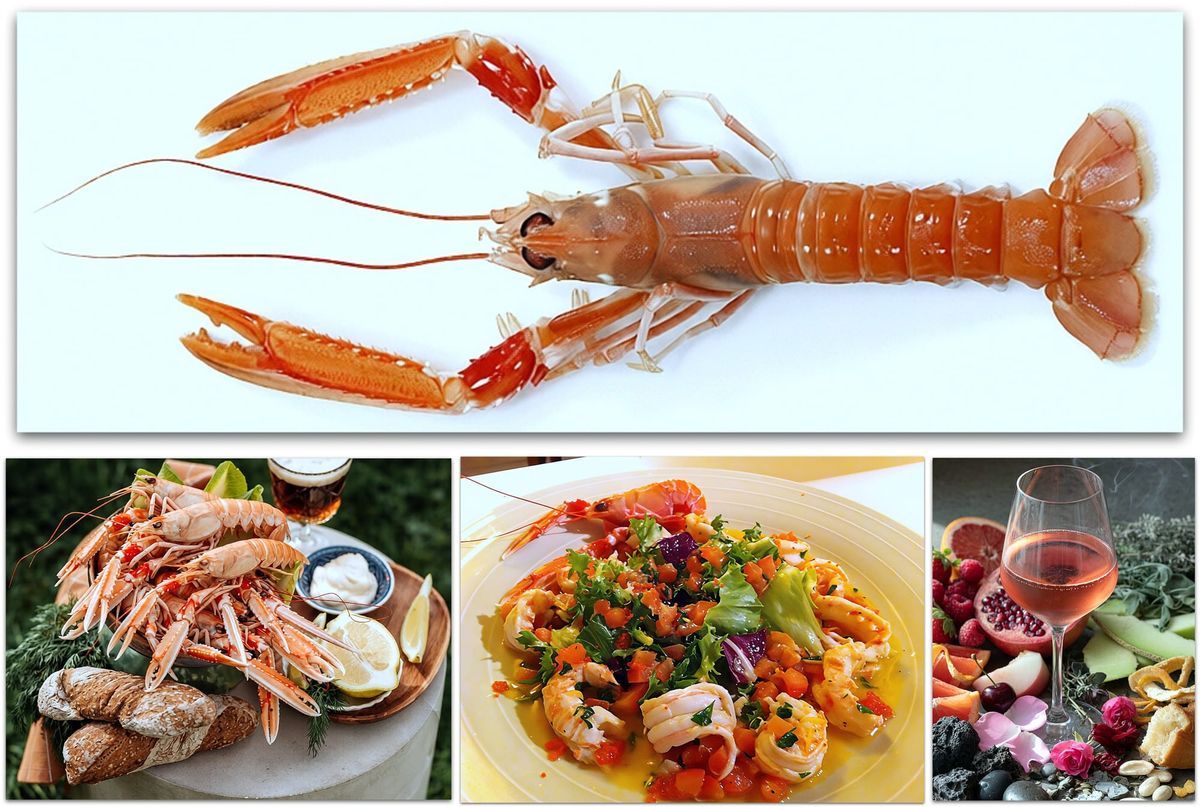
The langoustine, a creature of delicate coral hues and formidable claws, arrives at the table with a presence that belies its modest dimensions. Its sweet, succulent flesh is a cornerstone of haute cuisine, yet this same prized quality has propelled it to the forefront of modern sustainability debates. Today, Nephrops norvegicus is far more than a menu item; it is a critical species in North Atlantic ecosystems and a bellwether for the challenges facing global fisheries. Its journey from muddy seabed to dinner plate encapsulates a complex interplay of biology, culinary art, and responsible stewardship, a story that resonates with biologists, chefs, and increasingly conscious consumers alike.
Taxonomy and Names
The langoustine is a decapod crustacean belonging to the family Nephropidae, a group that includes the more familiar lobsters. Its scientific name, Nephrops norvegicus, is itself descriptive; derived from the Greek nephros (kidney) and ops (eye), it references the distinctive kidney-shaped compound eyes of the animal. It is currently the only extant species within the genus Nephrops.
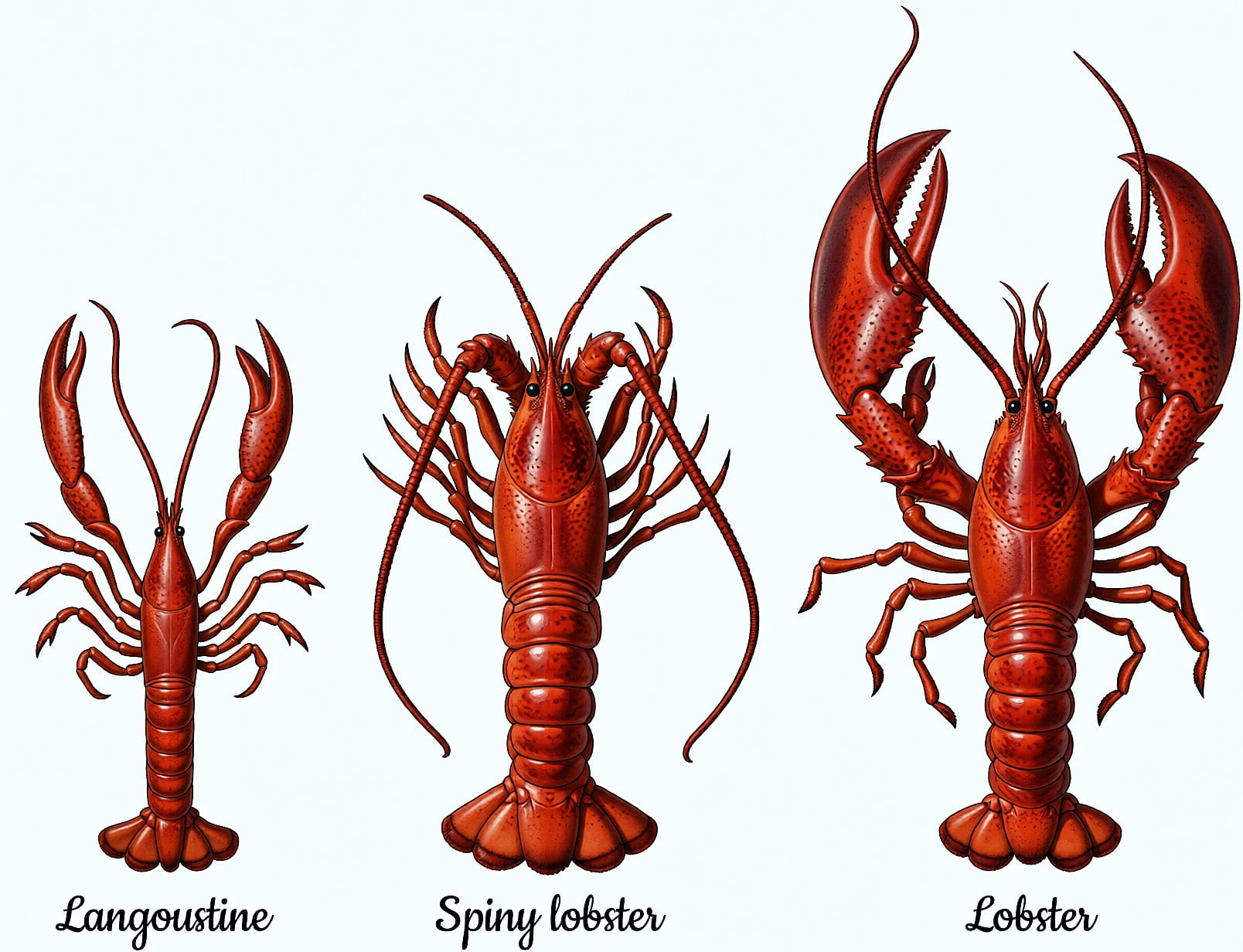
The creature's common names are a testament to its wide geographical distribution and culinary significance. Most commonly known as the Norway lobster, a direct translation of its Latin name, it is also referred to as the Dublin Bay prawn in Ireland and parts of the United Kingdom. In the culinary world, it is almost universally known as langoustine, a name that evokes its refined status, while in Britain, the term "scampi" historically referred to the whole animal, though it now more commonly denotes the prepared tail meat of this and other species. This proliferation of names can sometimes cause confusion, but it underscores the langoustine's deep integration into the food cultures of various European nations.
Biology and Adaptations
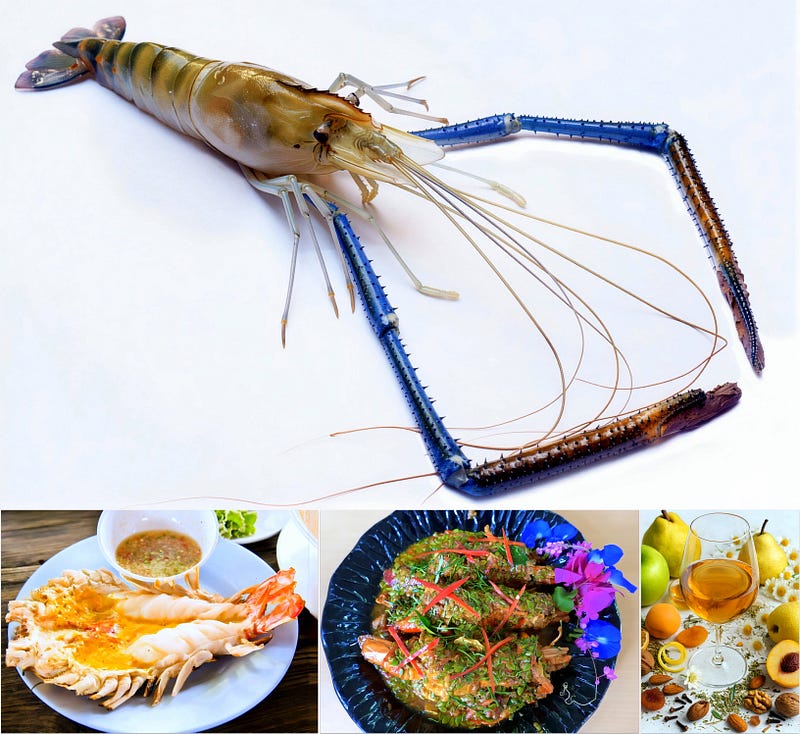
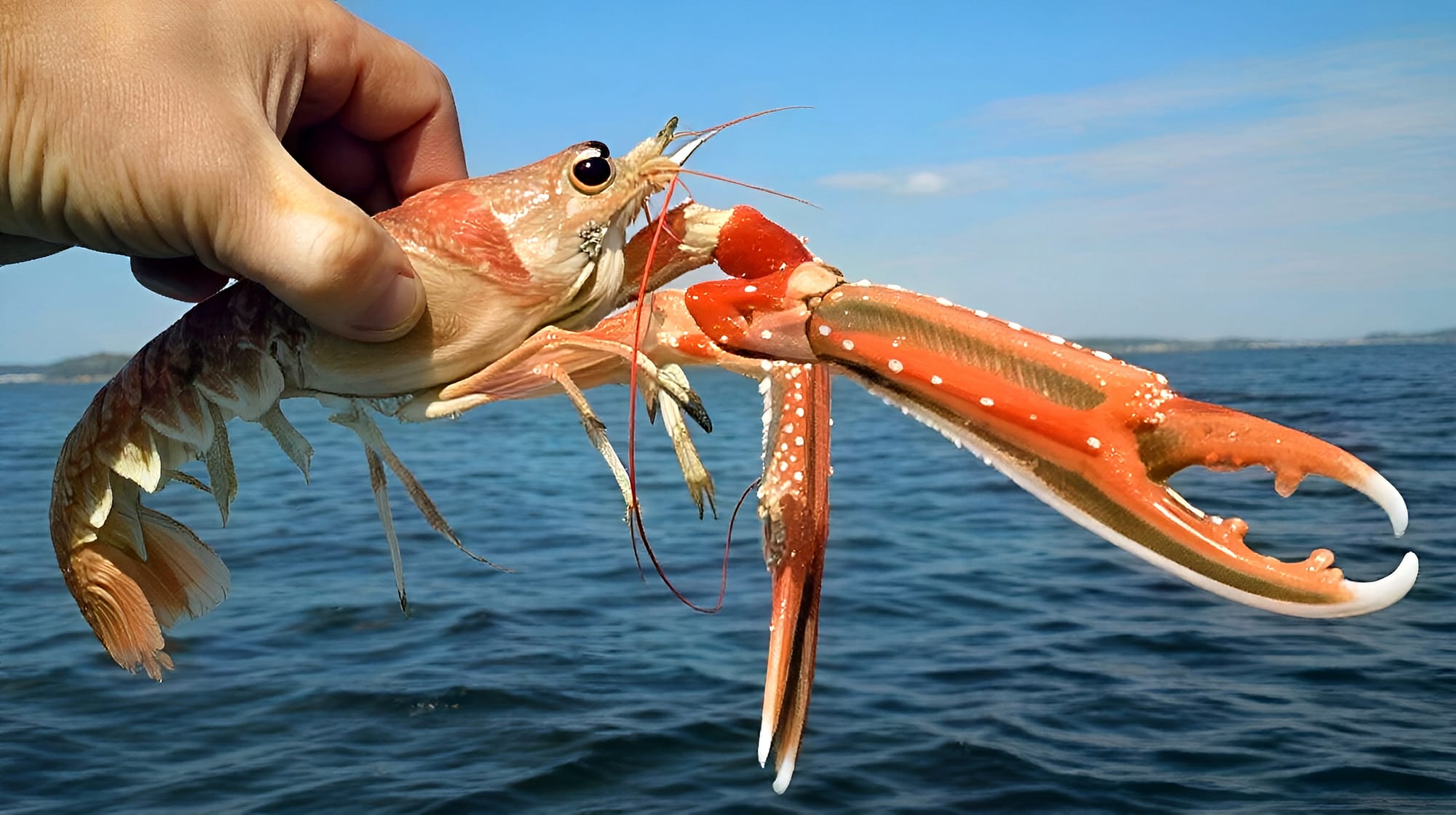
The langoustine is a creature shaped by its environment. It is a slender, pale orange lobster that typically reaches a length of up to 25 centimetres (approximately 10 inches), though exceptional individuals can grow to 30 centimetres (roughly 12 inches). A significant portion of this length is its long, segmented abdomen, which terminates in a broad tail fan—the very part that provides the prized tail meat. The first pair of its walking legs are greatly elongated and bear ridges of spines, used both for capturing prey and for defense. The carapace, which covers the cephalothorax, and the long, spinous rostrum add to its distinctive profile.
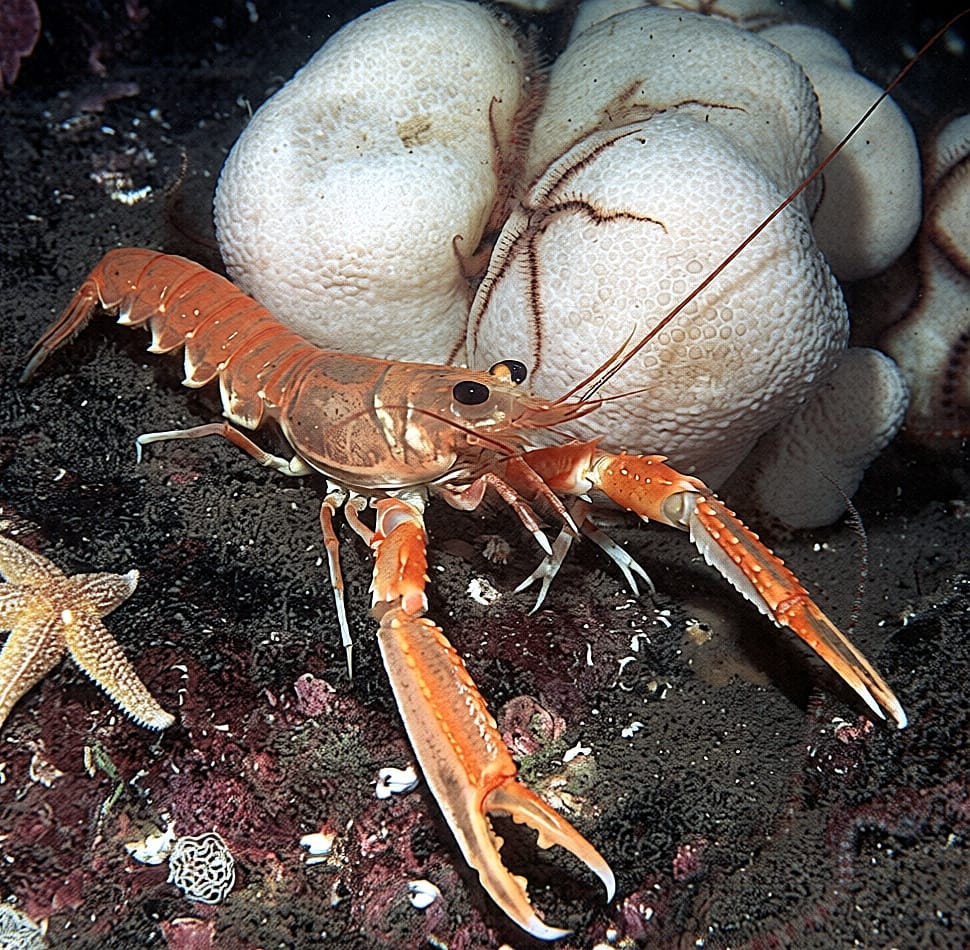
A fundamental aspect of langoustine biology is its reliance on burrowing. It is a burrower and crawler more than a swimmer, constructing extensive, semi-permanent burrows in the soft, muddy seabed sediments it prefers. These burrows can be over a metre long and penetrate to a depth of 20 to 30 centimetres (8 to 12 inches). This behaviour is a key adaptation to avoid predators, but it also has profound implications for its ecology and how it is fished. While the animal is essentially solitary, multiple occupancy of burrows can occasionally occur. Its activity patterns shift with depth; in shallower waters, it is predominantly nocturnal, emerging from its burrow at dusk to forage, but in deeper habitats, this pattern reverses, and individuals become more active during the day. As an opportunistic predator and scavenger, Nephrops feeds on a diet of crustaceans, molluscs, polychaetes, and echinoderms, playing a vital role in the benthic food web.
Ecology, Range, and Sustainability
Nephrops norvegicus is widely distributed throughout the north-eastern Atlantic, ranging from Iceland and Norway down to Morocco, and it is also found in the Mediterranean Sea, particularly in the Adriatic. It is absent from the Baltic and Black Seas. Its distribution is inherently patchy because it is strictly dependent on specific seabed conditions. The species prefers muddy sediments with a high content of silt and clay—typically more than 40 percent—which are necessary for constructing its complex burrows. As a result of this specific habitat requirement, the population is divided into over 30 discrete "Functional Units," which are geographically separated by unsuitable terrain. Adults rarely travel distances greater than a few hundred metres, making these populations highly localised and vulnerable to overfishing in their specific areas.

This ecological reality presents a significant sustainability challenge. The value of the UK Nephrops fishery alone is estimated to be worth £100 million annually. Historically, trawling has been the dominant fishing method, but this practice brings with it several environmental concerns. The gear can have a significant impact on the seabed habitat and is associated with bycatch of non-target species. Research has shown that trawl-caught animals experience extreme physiological stress, evidenced by significantly lower adenylate energy charge ratios and pH levels in their muscle tissue compared to those caught in creels, or pots. This stress not only compromises the welfare of the animal but can also affect the quality of the meat for the consumer.
In response to these challenges, the industry is undergoing a significant transformation, driven by research and collaborative initiatives. Studies were instrumental in demonstrating that trawl-caught langoustines could recover from physiological collapse if given time to rest in on-board seawater tanks. This led to changes in handling practices, resulting in a marked increase in survival rates for the live transport market and a dramatic improvement in meat quality for processing. Furthermore, a landmark Life Cycle Assessment comparing trawling and creeling found that creeling was more efficient in almost all environmental impact categories, including lower fuel use, reduced seabed impact, and minimal discards. While creeling has its own challenges, such as a potentially poorer working environment for fishers, the study suggested that a shift towards this method would yield considerable environmental benefits. The push for sustainability is now formalised in the UK Nephrops Fishery Improvement Project. This industry-led partnership, supported by organisations like Seafish and retailers, is working towards Marine Stewardship Council certification for all UK fisheries by addressing issues like tailored stock management, bycatch reduction, and even social responsibility and crew welfare. The certification of the Skagerrak and Kattegat fishery and its subsequent entry into the Spanish market represents a tangible success for these efforts.
Culinary Profile and Kitchen Reality
From a culinary perspective, the langoustine is a treasure. The edible parts are primarily the tail and the claws, with the tail meat being the most substantial and prized. The flavour profile is one of its greatest assets: a refined, sweet succulence that is often described as a more delicate and flavourful version of lobster. This natural sweetness is complemented by a firm, juicy texture that remains satisfyingly tender when cooked correctly.
The "kitchen reality" of langoustine, however, is a story of time and temperature. The deterioration of the meat begins almost immediately post-mortem. Pioneering research established a critical "handling window": for the raw product to be used for scampi or other preparations, it must be sorted, "tailed" (the process of removing the tail meat), and iced within less than four hours of capture. Prior to this research, many boats would not even carry ice, leading to high levels of wastage and poor product quality. The implementation of this handling window, including reducing on-board storage temperatures from 5.6°C (42.1°F) to a steady 2.5°C (36.5°F), has revolutionised processing yields and quality. For the live market, the focus is on survival. Fishers are now trained to use a "Vigour Index," identifying visual cues to grade animals by their physiological state to ensure only the strongest are selected for the stressful journey to continental Europe. This attention to detail has increased production yields from an average of 65 tonnes per year to 100 tonnes for one major processor alone. Nutritionally, the langoustine is a lean protein source, low in fat but rich in essential minerals, making it a healthy, if luxurious, choice.
For the discerning chef or buyer, sourcing criteria are paramount. Looking for Marine Stewardship Council certification is the most reliable indicator of a well-managed fishery. Given the localised nature of the stocks, asking about the specific catch area and method—preferring creel-caught where possible—is also a prudent step. While the real thing is irreplaceable, the tail meat is sometimes substituted with other prawns or shrimps in processed products like scampi, which is a crucial point for consumers to be aware of, although not a concern for whole-langoustine dishes.
Wine Pairings
The pairing of wine with langoustine should honour its inherent sweetness and delicate texture, often playing one of two angles: complementing the sweetness with a bright, saline minerality, or contrasting it with richer, more complex notes. Here are three specific preparations and their ideal partners.
For a classic langoustine simply grilled or boiled with drawn butter, the pairing is a benchmark of harmony. A Manzanilla Pasada from the Sherry region, such as Pastrana, is an exemplary choice. Served very chilled, between 6 and 8°C (43 and 46°F), its classic notes of chamomile and ripe apple, intertwined with a distinct salty, savoury character, are the perfect foil for the crustacean's sweetness. The wine's low acidity and maritime character elevate the langoustine without overpowering its subtlety, creating a taste of the sea itself.
A more complex dish, such as langoustine ravioli with a Sauternes sauce, demands a more opulent partner. A Sauternes, like Château Coutet, is a brilliant, non-generic choice. This sweet, golden wine from the Bordeaux region works not as a dessert wine here, but as a savoury component. Its rich, honeyed character and bright acidity can cut through the creamy sauce and complement the sweetness of the asparagus and grapefruit often paired with the ravioli, creating a symphony of flavours. The 2016 vintage offers a beautiful balance of richness and freshness, ideal for such a refined dish.
Finally, for a rich, pan-fried langoustine preparation with a sauce of garlic, herbs, and a hint of spice, the pairing needs a wine with texture and complexity but a refreshing finish. An Etna Rosato from Sicily, made from the Nerello Mascalese grape, is a surprising but perfect match. This rosé possesses a unique volcanic minerality, vibrant red berry fruit, and a savoury, almost smoky finish. The wine's structure allows it to stand up to the robust flavours of the sauce, while its crisp acidity cleanses the palate, readying it for the next succulent bite of langoustine.
Conclusion
The langoustine, Nephrops norvegicus, is a creature of two worlds. In its silent, muddy domain, it is an architect and a predator, its biology intricately tied to a fragile and fragmented habitat. Upon the plate, it is a celebrated delicacy, its sweet flesh a testament to both nature's bounty and the skill of the cook. The journey from one world to the other, however, is a narrative of change. Once threatened by the very success of its own fisheries, the langoustine now stands at the centre of a movement toward a more responsible future. Through research-driven improvements in handling and the collaborative efforts of the Nephrops Fishery Improvement Project, the industry is demonstrating that it is possible to enjoy this luxury without depleting the resource on which it depends. For the biologist, the chef, and the consumer, the choice is clear: to continue to savour the langoustine is to champion the systems that sustain it, ensuring its vibrant orange form continues to grace both the ocean floor and our tables for generations to come.