The Living Rock at the Table: Piure (Pyura chilensis) and the Future of a Maritime Delicacy
Piure embodies the tension between fragility and desire: a creature that accumulates life slowly yet can be erased quickly. Its future hinges on whether global appetites evolve into stewardship, treating a “living rock” as a partner rather than a curiosity.
Introduction
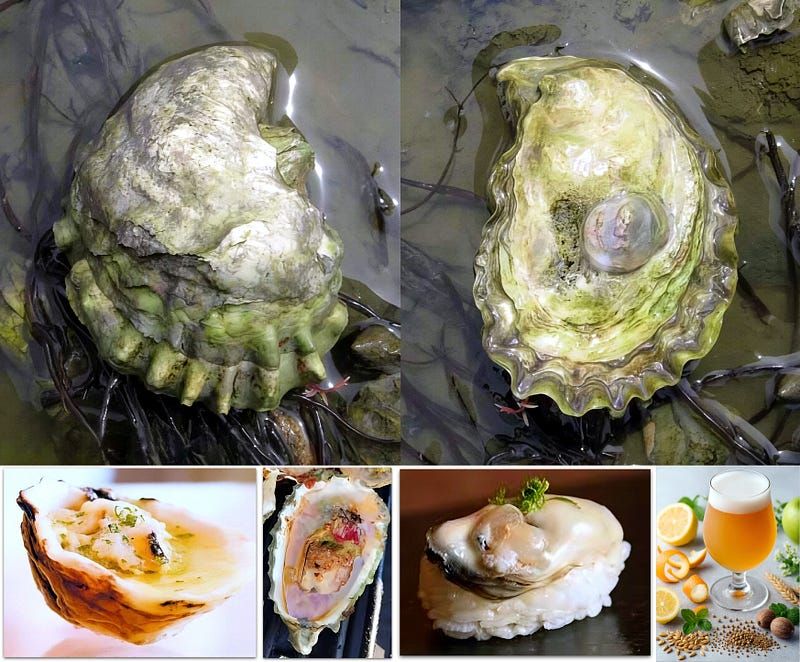
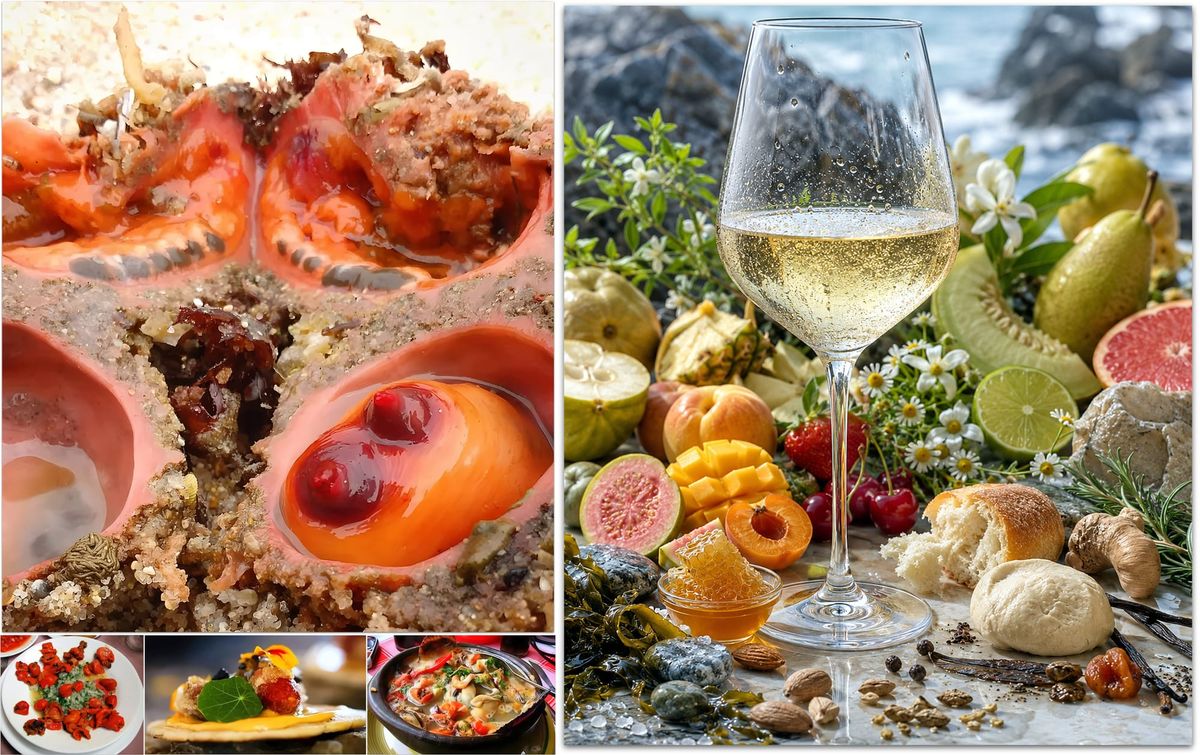
Crack open the rough, barnacle-freckled husk of a Pyura chilensis and the first thing that hits you is the scent: a cold rush of iodine and brine so concentrated it feels like inhaling the Pacific. Inside, nestled in a dark liquor, sits a trembling mass of vivid orange flesh, the edible core of one of the most polarizing ingredients in South American seafood. Once a fiercely local secret passed among Chilean fishing families, this sea creature has begun to surface on forward-thinking menus from Santiago to Copenhagen, appearing as ceviche, grilled over charcoal, or baked into creamy stews. Its journey from tide pool to white tablecloth is not just a story of flavor, but a living case study in how a wild resource can be celebrated without being erased.
Taxonomy and Names
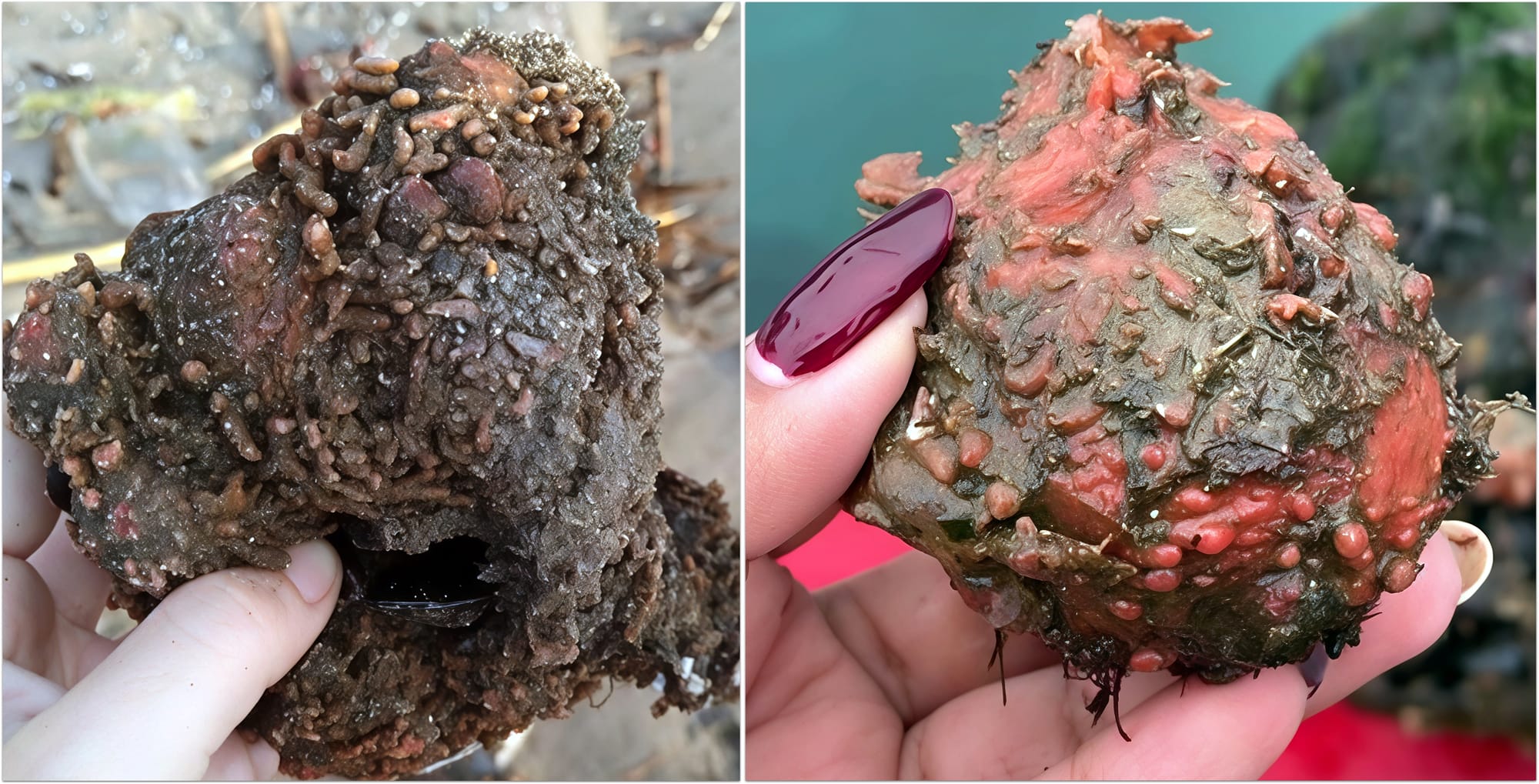
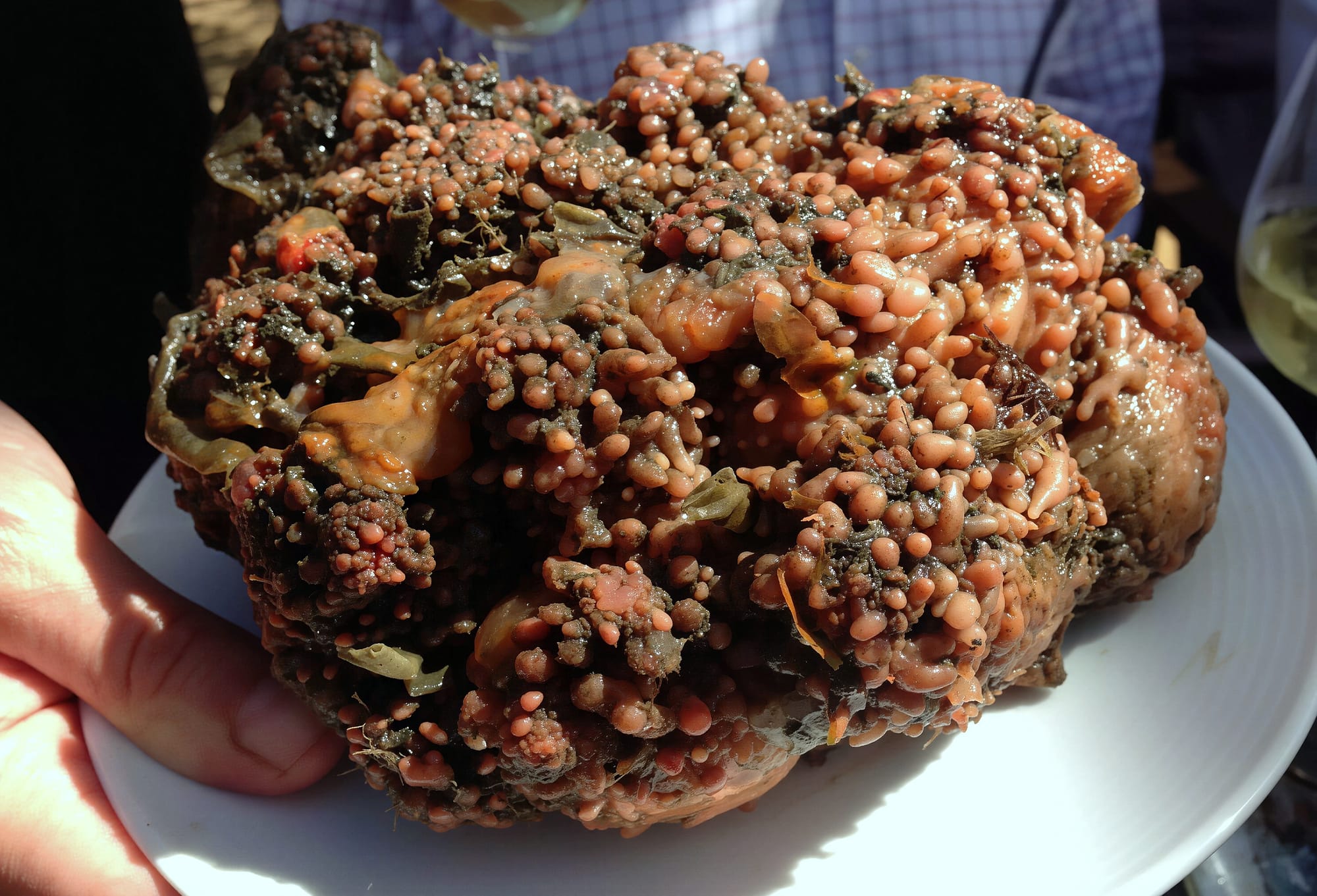
Pyura chilensis belongs to the family Pyuridae, a group of solitary ascidians within the class Ascidiacea and the subphylum Tunicata. Though it sits within the chordates — sharing a common ancestor with vertebrates — the adult form has abandoned the hallmarks of that lineage, encasing itself instead in a leathery coat of tunicin. Common English names include Chilean sea squirt, and occasionally “living rock,” though that moniker is more consistently applied to its close relative Pyura praeputialis. The name “piure” is used throughout Chile, and the same word, sometimes elaborated as “piure de mar,” travels up the coast into Peru. In the markets of Valparaíso or the Caleta Portales in Santiago, a buyer simply asks for piure, knowing they will receive a lumpy, rock-like organism that is nothing like anything else on the fishmonger’s slab.
Biology and Adaptations
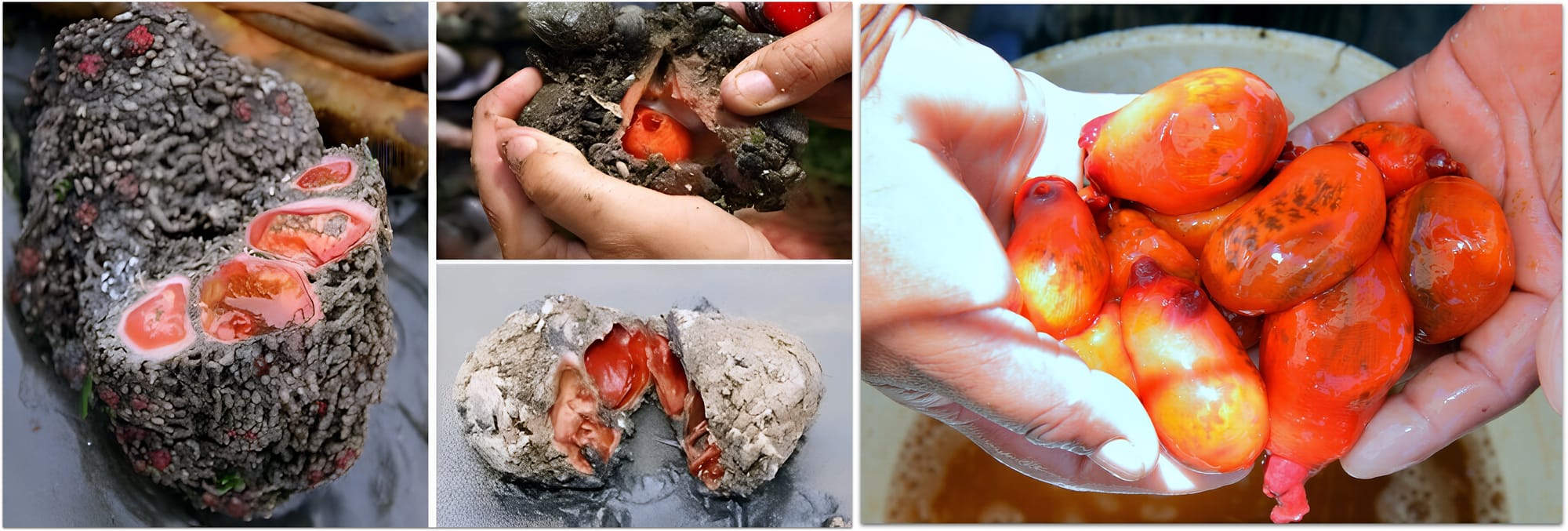
To understand the plate, one must first understand the creature. Pyura chilensis spends its adult life fixed to a rock, drawing seawater through one siphon and expelling it through another, extracting plankton and organic particles with a mucus net. The body, protected by a tunic tough enough to pass for a stone, can reach up to 15 centimeters (6 inches) in length. Inside, the most prominent feature is the swollen, brilliantly colored gonad, surrounded by a muscular mantle and a simple digestive and circulatory system. That blood, thin and almost translucent, holds one of the animal’s great biochemical peculiarities: it concentrates vanadium at levels millions of times higher than the surrounding ocean. The exact purpose remains a matter of scientific inquiry (ROMAN, D., MOLINA, J. and RIVERA, L. ROMAN, DOMINGO A., JUSTA MOLINA, and LIDIA RIVERA. 1988. The Biological Bulletin 175 (1): 154–66. doi:10.2307/1541903), with hypotheses ranging from structural reinforcement to chemical defense, but what matters for diners is the sensory fingerprint the element may leave behind. The metallic, ferrous edge that defines piure’s flavor is often attributed to that vanadium accumulation, though direct sensory evidence linking the two is still largely anecdotal. Reproduction follows a broadcast-spawning strategy: eggs and sperm are released into the water column, where fertilization yields a brief, free-swimming tadpole larva that soon settles onto hard substrate and metamorphoses into the sessile adult. Growth rates are thought to be modest, and dense aggregations can take years to form, a reality that informs every conversation about harvest.
Ecology, Range, and Sustainability
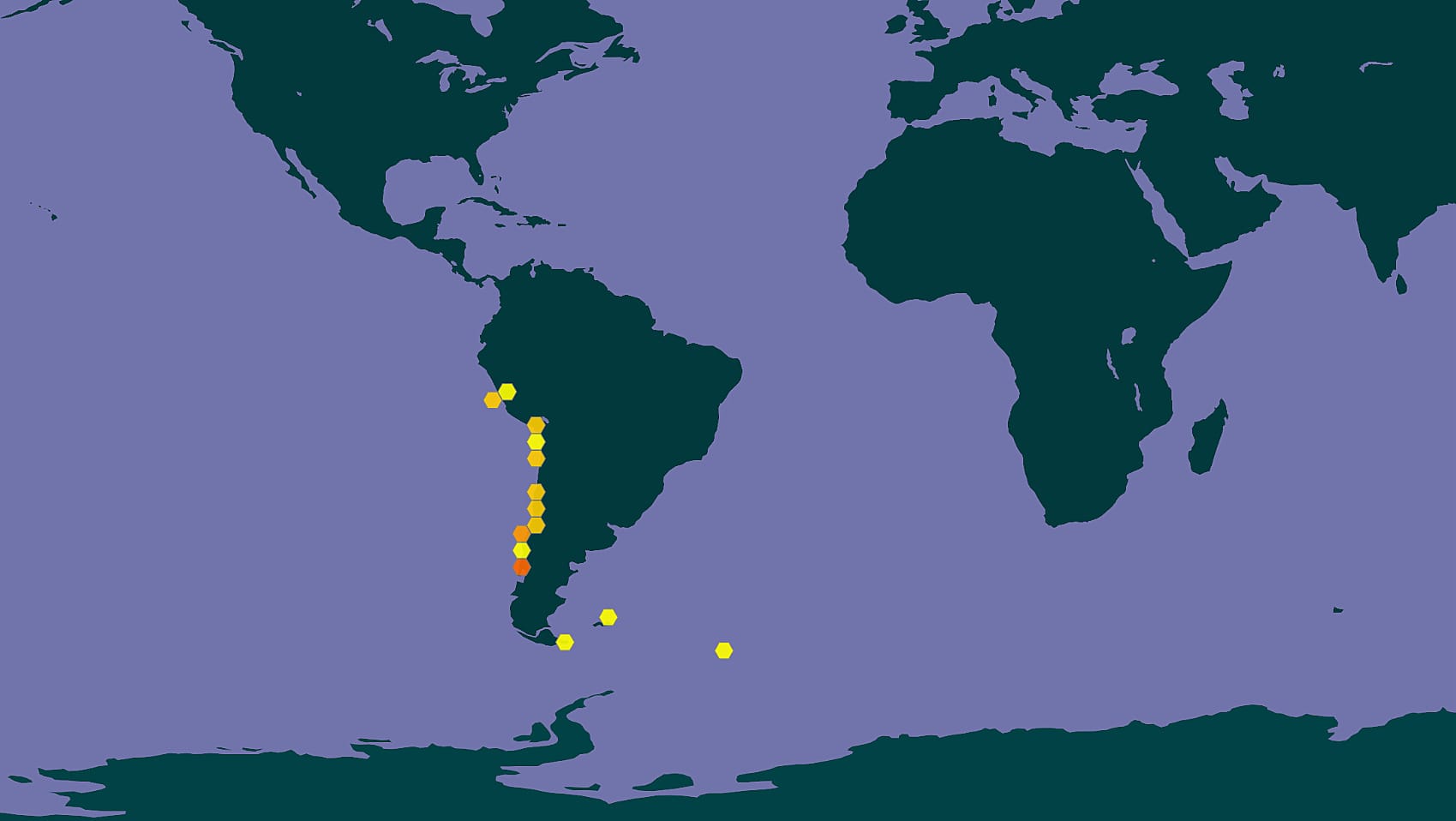
Pyura chilensis anchors one of the most striking biological communities of the cold Humboldt Current. It coats rocky outcrops from southern Peru down to the fjords of southern Chile, forming dense, multi-layered beds at depths that typically range from 5 to 40 meters (16 to 131 feet).
In these submarine carpets, the sea squirts act as both engineers and cleaners. Their clustered bodies create a three-dimensional habitat for worms, small crustaceans, and juvenile fish, while their constant filtration strips bacteria and suspended matter from the water column. The productive coastal waters they inhabit hover between 10°C and 18°C (50°F and 64°F) year-round, an upwelling-driven chill that fuels the whole ecosystem.
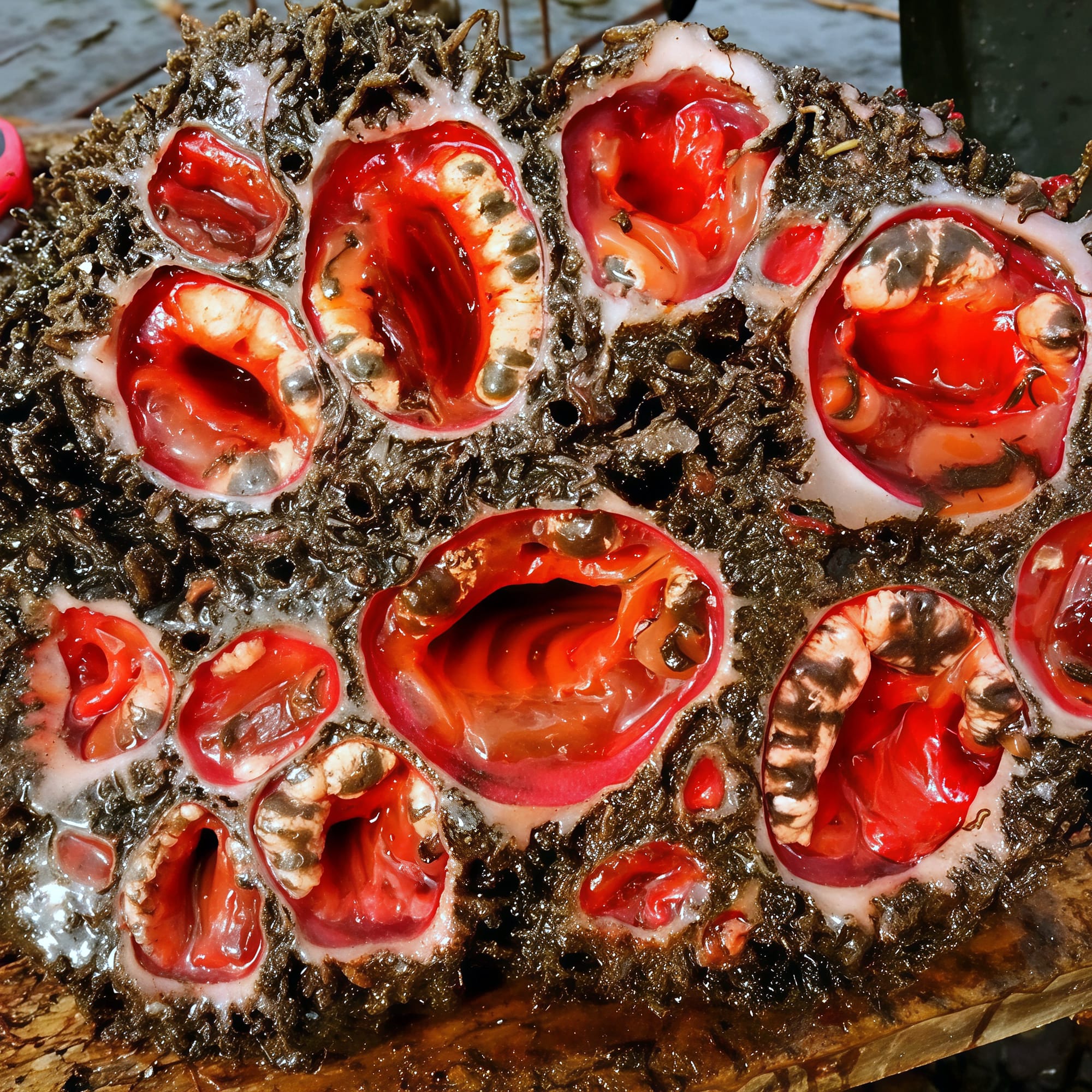
Harvest has traditionally been done by artisanal divers, who pry the animals loose with knives or bars. When practiced sparingly, this can leave the reef structure largely intact, but the growing appetite for piure has placed new pressure on the resource. The removal of large, fecund individuals can reduce local recruitment, and careless extraction damages the very substrate the larvae need for settlement. In Chile, management measures have been put in place: a minimum harvest size of 80 millimeters (3.1 inches), seasonal closures, and the allocation of exclusive territorial user rights for fisheries (known as TURFs) to artisanal organizations. These co-management schemes, while imperfect, represent the most credible framework currently available for aligning harvesting pressure with population renewal.
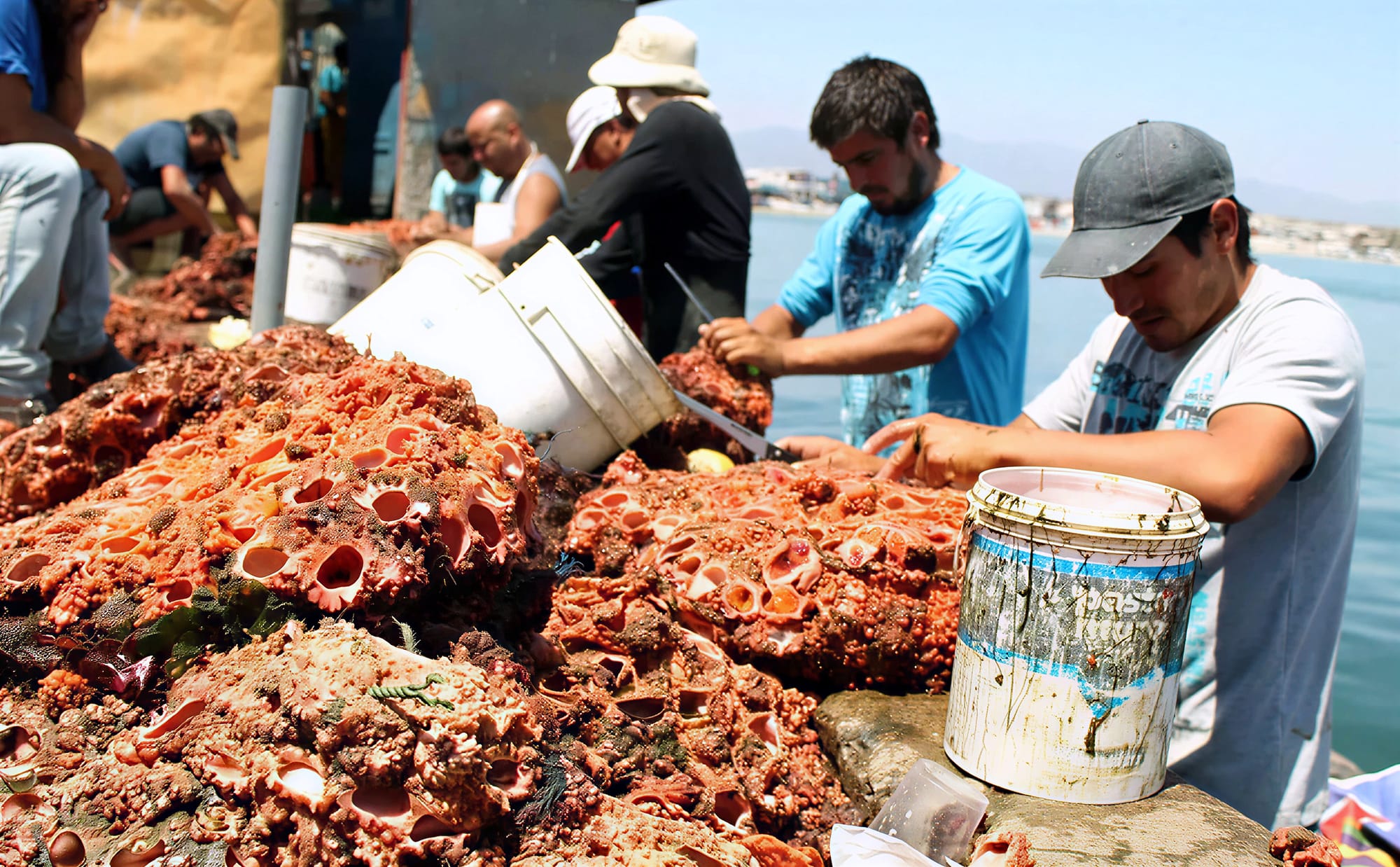
For chefs and food buyers operating outside the region, responsible sourcing means asking direct questions. A buyer should look for suppliers who can name the caleta of origin and confirm the harvest took place within a managed TURF area during the open season. Dried or frozen piure that arrives with clear traceability documentation sidesteps the extreme perishability of the fresh product and often supports the same coastal communities. Early experiments with aquaculture suggest that suspended culture might one day supplement wild stocks without competing for reef space, though commercial viability remains several years away. None of this requires moral pronouncements; it simply frames sourcing as an investment in the longevity of an ingredient that cannot be taken for granted.
Culinary Profile and Kitchen Reality
The edible part of Pyura chilensis is the soft interior body, primarily the gonads and the surrounding mantle muscle, while the dark, fibrous tunic is discarded. A single specimen can weigh up to 200 grams (7 ounces), though market-sized individuals are often smaller. What emerges when the rock-like exterior is cut open is a substance that looks somewhere between sea urchin roe and raw liver, but with a textural presence entirely its own. It is at once soft and resilient, collapsing gently under the tooth yet never dissolving.
Flavor is where the conversation gets fierce. The first impression is an engulfing wave of salinity and mineral intensity, a liquid sense of tide pool that can overwhelm the uninitiated. That initial rush carries a peculiar metallic tang, often compared to licking a clean piece of iron or a freshly shucked oyster that has been steeped in seaweed. Beneath the brine sits a profound umami core, lingering long after the morsel is gone and reminding some tasters of aged Parmesan or fermented fish. Freshness is everything: a truly vibrant piure will taste thunderously of the sea without veering into ammonia or decay. Even so, this is not an ingredient that asks for everyone’s affection, and its uncompromising profile is precisely what has earned it cult status among adventurous cooks.
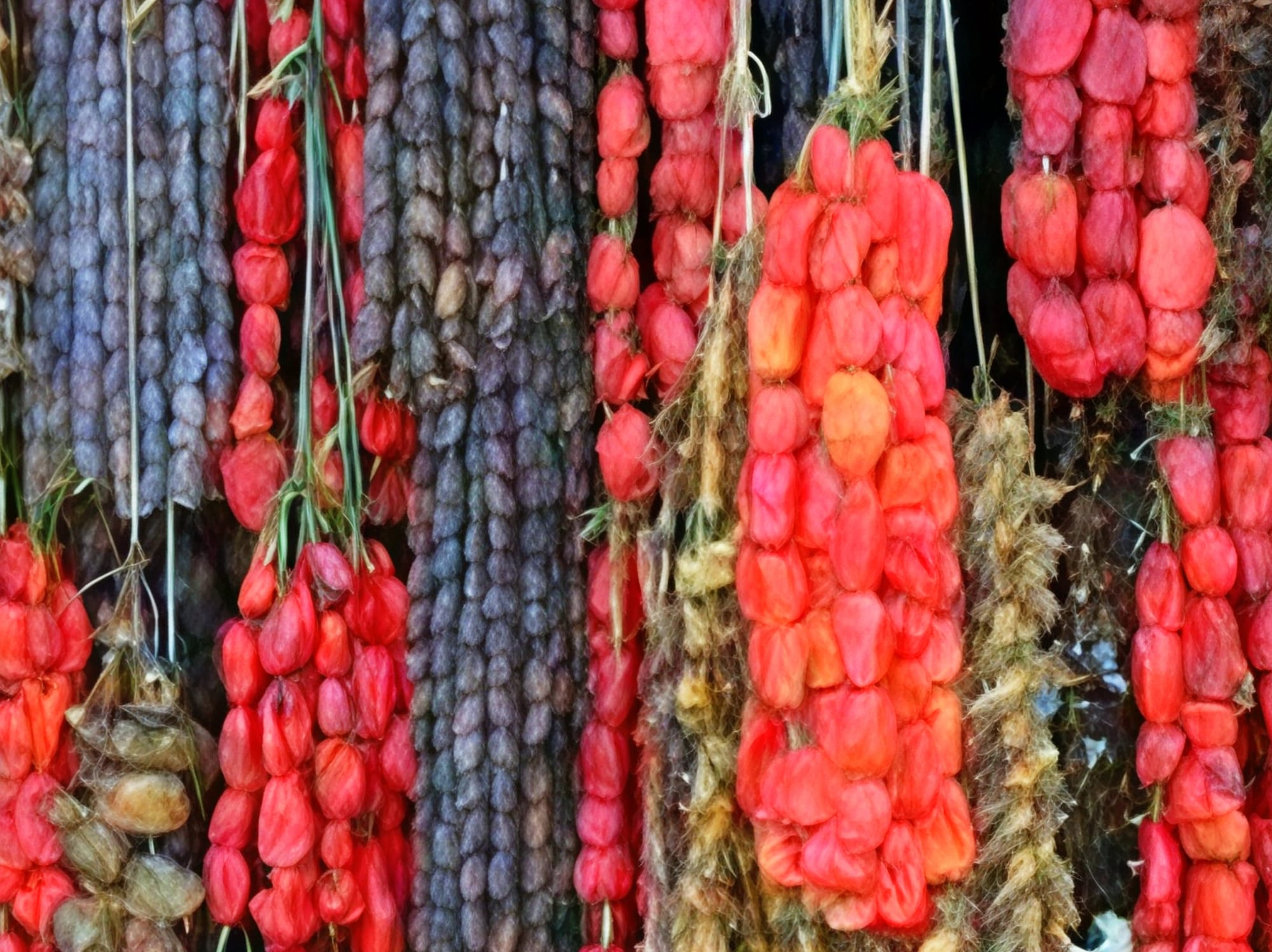
In the Chilean kitchen, the most immediate preparation is raw. The flesh is chopped, rinsed quickly in seawater or lightly salted water, and tossed with lemon juice, diced onion, and fresh coriander into what is colloquially called “ceviche de piure,” though it resembles a tartare more than a marinated dish. A standard portion of about 100 grams (3.5 ounces) delivers an impressive nutritional punch, offering substantial protein, a rich seam of iron (frequently cited at around 5 milligrams), and a dose of iodine that can far exceed daily requirements in a single serving. The flesh is also breaded and fried, stuffed into empanadas, or folded into chupe de piure: a baked gratin of bread, milk, cheese, and butter that tames the sea squirt’s wildness without silencing it. Grilling over a wood fire caramelizes the exterior and coaxes out a sweet, almost scallop-like note, while retaining the mineral drive. Dried and ground, piure can be deployed as a potent seasoning, an umami bomb scattered over rice or stirred into broths.
Fresh piure is highly perishable and must be kept chilled at 2°C (36°F), consumed within a day or two. For cooks far from Chile, high-quality frozen whole piure or vacuum-sealed meat is the most reliable substitute. When a recipe demands a facsimile of flavor, some chefs combine fresh sea urchin with a briny mussel purée and a faint grind of dried kelp, but the metallic heartbeat of Pyura chilensis remains notoriously difficult to replicate. In kitchens from Lima to Paris, the most honest approach is to treat it not as a generic seafood but as an irreducible singularity, adjusting everything else on the plate accordingly.
Wine Pairings
Pairing wine with piure means confronting that ferrous iodine wall head-on, and the most successful matches use acidity, texture, and a whisper of the sea to find common ground. For a raw preparation like ceviche de piure — sharpened with lime, red onion, and a touch of chili — the wine needs briskness and mineral cut. A Chacolí from the Itata Valley, that nearly forgotten Chilean white revived by small producers, delivers exactly this. Its faint petillance, green apple snap, and saline finish echo the dish’s maritime origin while the acidity lifts the onion and citrus without trampling the delicate flesh.
When piure is baked into a creamy chupe, the pairing calculation shifts from cut to complement. A barrel-fermented Semillon from old vines in the Itata Valley offers a waxy, lanolin-kissed texture and notes of quince and white tea. The wine’s roundness wraps around the gratin’s richness, but a taut line of acidity keeps the iodine from becoming fatiguing, while a low, earthy minerality chimes with the bread and cheese. It is a dialogue of weight rather than contrast.
Grilled piure, its surface blistered and faintly sweetened by the fire, invites a red wine served cool, and nothing fits more honestly than a Pipeño from the Maule Valley. Crafted from old-vine País grapes and often fermented in native raulí vats, Pipeño is a light, rustic red alive with wild strawberry, dried herbs, and a whisper of campfire. Chilled to around 12°C (54°F), its gentle tannins and smoky edge frame the char without overpowering the meat, while the fruit hums alongside the caramelized sweetness. It is a pairing born of the same coastal hills that shaped the ingredient itself, and it tastes like common sense.
Conclusion
Pyura chilensis begins as a faceless rock on a cold reef and ends as one of the most thrilling, uncompromising mouthfuls the sea can offer. Its biology — the vanadium-laced blood, the filter-feeding patience, the year-after-year buildup of dense beds — dictates exactly how fragile its abundance truly is. The Chilean TURF system and the growing curiosity of the world’s kitchens have created a moment in which piure can either become a carefully stewarded gem or a cautionary tale of overlooked management. Every buyer, whether a chef in Barcelona or a sustainability-minded consumer in Melbourne, shapes that outcome by asking for traceable product and respecting seasonal rhythms. A squeeze of lemon juice, roughly 15 milliliters (0.5 fluid ounce), can brighten a plate of raw piure, but the ingredient’s future depends on something far less perishable: the collective willingness to treat a living rock not as a novelty, but as a long-term partner in the global seafood conversation.