Volodymyr Zelensky — The Unscripted Statesman: An Examination of His Intellectual Contributions…
He has demonstrated that in the modern era, a leader’s most profound intellectual contribution may not be what they write, but what they do, and the moral authority they earn by the courage of their actions.
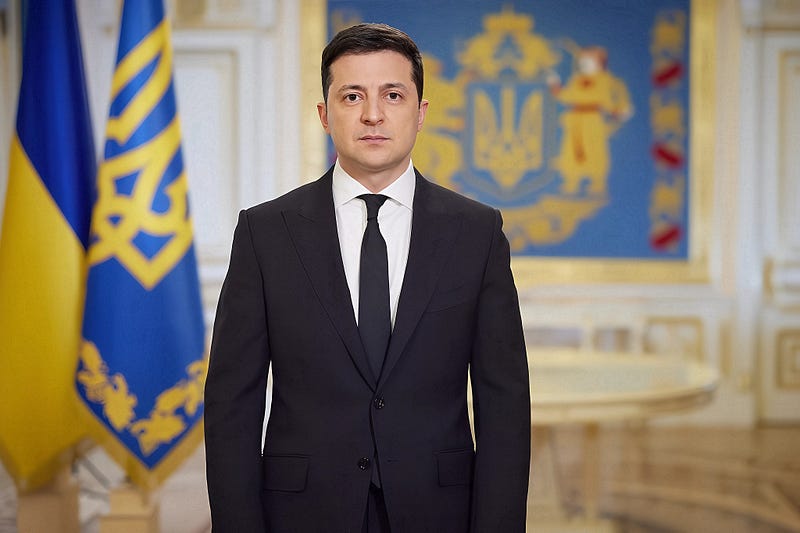
Volodymyr Zelensky — The Unscripted Statesman: An Examination of His Intellectual Contributions and Beliefs
The ascent of Volodymyr Zelenskyy to the presidency of Ukraine and his subsequent transformation into a global symbol of resistance and democratic resolve defies conventional political analysis. His journey from a law school graduate to a celebrated comedian, and ultimately to a wartime head of state, presents a unique case study in the intersection of entertainment, politics, and profound personal conviction. This report posits that Zelenskyy’s intellectual and ideological contributions are not rooted in formal academic or political treatises but are instead inextricably linked to his prior career. The political ideas and leadership style that have come to define him were forged in the crucible of public performance, serving as a pre-political manifesto that critiqued the old order and articulated a new vision for a resilient, unified Ukraine.
The Intellectual Crucible: The Formation of a Political Worldview
Volodymyr Zelenskyy’s formative years followed an unconventional trajectory that laid the groundwork for his eventual political career. Born in Kryvyi Rih, a diverse and industrialized city, he initially pursued a law degree from Kyiv National Economic University, graduating in 2000. However, his passion lay in comedy and entertainment. From 1997 to 2003, he served as an actor, screenwriter, and artistic director for the Kvartal 95 Club, which later grew into a successful production company. It was in this capacity that he began to make his first significant intellectual contributions, using satire as a powerful tool for democratic resilience and social commentary.
The central argument embedded within his comedic work was a relentless and open critique of political corruption, incompetence, and the “political theater” that had come to dominate Ukrainian electoral politics. Zelenskyy and his troupe, Kvartal 95, intentionally cultivated the practice of finding humor in adversity, using shared laughter as a unifying force to build social solidarity among Ukrainians. They mocked everything from the negative consequences of healthcare reform to the political corruption that plagued the country, intentionally cultivating a sense of shared purpose and encouraging people to laugh at their problems together and, in turn, find solutions. This approach to comedy was described as “the language of reasonable, healthy people”. This comedic vision also served as an early articulation of his geopolitical views, as the troupe did not shy away from mocking Russia’s territorial incursions and the perceived indifference of the West.
This sustained, pre-political critique culminated in the popular television series Servant of the People, which can be seen as the most significant intellectual contribution of his entertainment career. The show’s premise — a history teacher who unexpectedly becomes president after a viral anti-corruption rant — was a direct reflection of his core arguments and beliefs. The series not only satirized the political system but also offered a positive, albeit fictional, vision of an honest leader committed to reform and national unity. The show served as a blueprint for his actual presidential campaign, which capitalized on the widespread public frustration with traditional political practices and mirrored the on-screen character’s struggles to reform the system and sacrifice for the country.
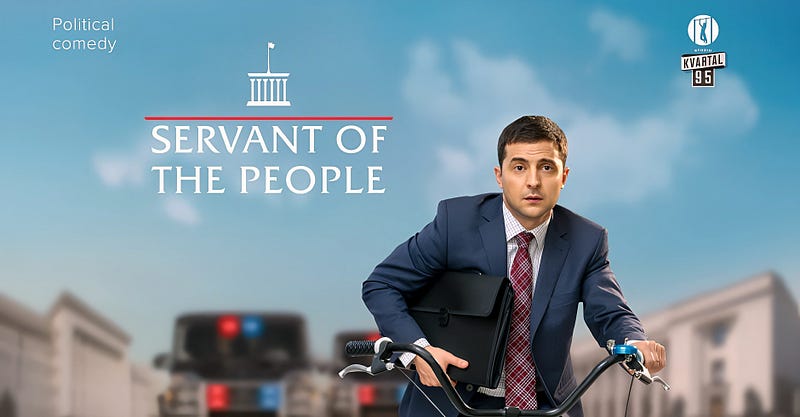
The relationship between his entertainment career and his political ascendancy was far more profound than a simple celebrity-to-politician pipeline. His comedic work and the television show acted as a pre-political manifesto and a public audition for the role of president. The critique of “political theater” and the sustained portrayal of authenticity created a powerful public demand for sincerity in politics. When he entered the presidential race, he refused to use the very patronage networks and orchestrated imitations of popular support that he had spent years ridiculing. This was a powerful, performative act of authenticity that directly leveraged the trust he had built with the public over two decades as a constant, unifying presence amid years of political turmoil. His intellectual contribution, therefore, lies not in formal writings but in a sustained public critique that prepared a society to accept his message and, ultimately, his leadership as a genuine alternative to a staged democracy.
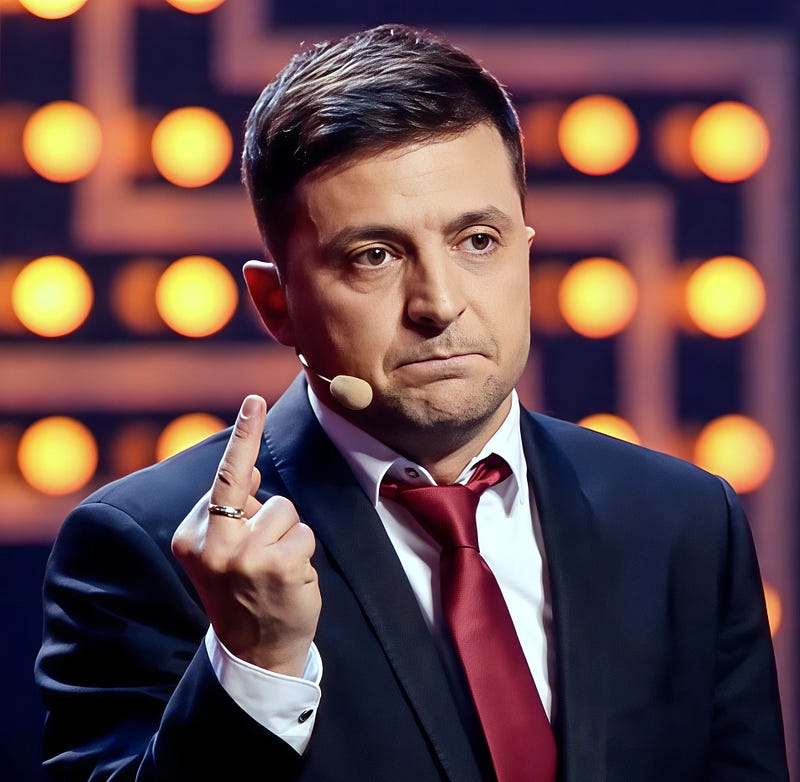
The Philosophical Act of Freedom: Beliefs Forged by Crisis
While Zelenskyy’s early career provided the intellectual foundation for his political rise, his core beliefs were truly tested and defined by the crucible of war. The philosophical ideas that undergird his leadership are not found in abstract texts but are instead embodied in his actions, particularly his decision to remain in Kyiv during the initial stages of the full-scale invasion. This choice was not merely a political or strategic calculation but a profound philosophical statement on the nature of freedom, truth, and a leader’s obligation.
A central philosophical theme is the intrinsic connection between freedom and personal risk. As scholars like Timothy Snyder have observed, Zelenskyy’s decision to stay in the capital and film a video message with his inner circle was a “paradigmatic act of free speech”. This perspective challenges the conventional Western understanding of free speech as a right devoid of personal peril. Instead, it argues that the purpose of free speech is to allow people to speak truth to power, an act that necessarily involves valor and risk. His statement, “the President is here,” was not merely a factual report but a defiant utterance made against the backdrop of lies, assassination attempts, and falling bombs.
This act also introduced the concept that a leader’s words become true because of their physical embodiment of the message. The truth Zelenskyy spoke was made real by his personal, existential commitment, risking his life and his family to stand with his people. By staying, he gave his words a moral weight and resonance that no algorithm or empty political rhetoric could ever achieve. This stands in stark contrast to the common political practice of powerful figures speaking untruths from a position of safety to maintain power, an action that Snyder argues should be treated with suspicion rather than valor. This is a model of enacted belief, where words gain their power from the physical courage of the speaker, providing a new, powerful, and deeply human model of leadership.
Furthermore, his actions reveal a profound belief in a leader’s obligation to their people and the true nature of national security. His refusal to flee was a statement of duty and a demonstration of his conviction that a leader’s security is inseparable from the people’s. This stands in stark contrast to historical precedents of leaders abandoning their capitals in times of crisis. When he famously declared, “I need ammunition, not a ride,” he demonstrated that his personal security was not paramount; the survival of his people and the state was the highest priority. This act of personal risk made his words resonate with a new kind of truth, not just to his own people but to the world, elevating him from a politician to a symbol and inspiring his people to a shared purpose.
The Psychology of a Transformational Leader
The public perception of Volodymyr Zelenskyy’s leadership — as authentic, empathetic, and courageous — is not a happy accident but is instead a direct result of a specific psychological makeup that proved uniquely suited for a crisis. Scholarly analysis using the Millon Inventory of Diagnostic Criteria (MIDC) provides a scientific validation of these perceptions. The analysis identifies his primary personality patterns as Outgoing/congenial and Ambitious/confident, with secondary Dauntless/adventurous, Accommodating/cooperative, and Conscientious/respectful patterns. This combination of traits — being a self-confident and competitive attention-getter who is also cordial and willing to reconcile differences — contributes to a “courageous charismatic” leadership style.
A separate study using the Mental Functioning scale provided further evidence of his psychological resilience, rating him as a “psychologically healthy leader” with an overall score of 91%. This assessment measured his capacity for adaptation, resiliency, impulse control, self-esteem regulation, and the ability to construct and use internal standards and ideals. These traits are not merely incidental; they are a prerequisite for effective crisis leadership, enabling him to cope effectively and creatively when confronted with uncertainty, loss, and immense challenge.
This psychological profile provides a framework for understanding his transformational leadership, as articulated by Bernard M. Bass’s theory. His leadership is characterized by idealized influence, where he inspires followers through high ethical conduct, personal sacrifice, and a collective sense of mission. His famous quote, "I need ammunition, not a ride," serves as a quintessential example of this idealized influence, where empathy is demonstrated through personal action rather than just words. By putting himself and his family in harm’s way, he showed his people that he was with them, inspiring their loyalty and willingness to make their own sacrifices. The psychological traits identified—his outgoing nature, ambition, and dauntless attitude—predisposed him to seek the spotlight and take risks. These innate traits manifested in his leadership style through actions like staying in Kyiv and delivering raw, authentic speeches, which in turn fostered a collective sense of purpose and trust among his people. This psychological and behavioral dynamic is the engine of his transformational leadership, demonstrating that his persona is not a constructed facade but a genuine expression of a deeply ingrained personality that has been tested by unprecedented circumstances.
The Architecture of a New Ukrainian Nation: Political Ideas and Ideology
Zelenskyy’s political views and ideology have evolved significantly, from his initial campaign promises to their profound vindication in wartime. His early political platform was defined by his identity as an anti-establishment and anti-corruption figure, a theme he had explored extensively in his entertainment career. His promises included support for e-government, the lifting of legal immunity for members of parliament, and the continuation of decentralizing reforms.
However, his most significant ideological contribution is his vision for a modern Ukrainian national identity, which he laid out in his 2020 New Year’s Eve address. He advocated for a civic patriotism that transcended traditional divisions of language, ethnicity, and historical memory. This vision was a stark contrast to older narratives that emphasized a homogenous Ukrainian culture and was initially met with criticism from some “patriotic” segments of society who saw it as a downplaying of traditional Ukrainian values. Zelenskyy instead proposed that being Ukrainian was defined by loyalty to the state and its shared experiences, a pragmatic approach that celebrated regional and local identities and differences rather than imposing a single national culture.
His pre-war approach to the Donbas conflict also highlighted his pragmatism and a deep-seated belief in the potential for diplomacy and peace. He took office with a campaign promise to end the conflict and attempted to engage in direct dialogue with Vladimir Putin, even if it meant making what some considered “unseemly” deals for a lasting ceasefire. This position of conciliation, born of a desire to prevent further bloodshed, stands in dramatic contrast to the unwavering resistance that would define his leadership after February 2022.
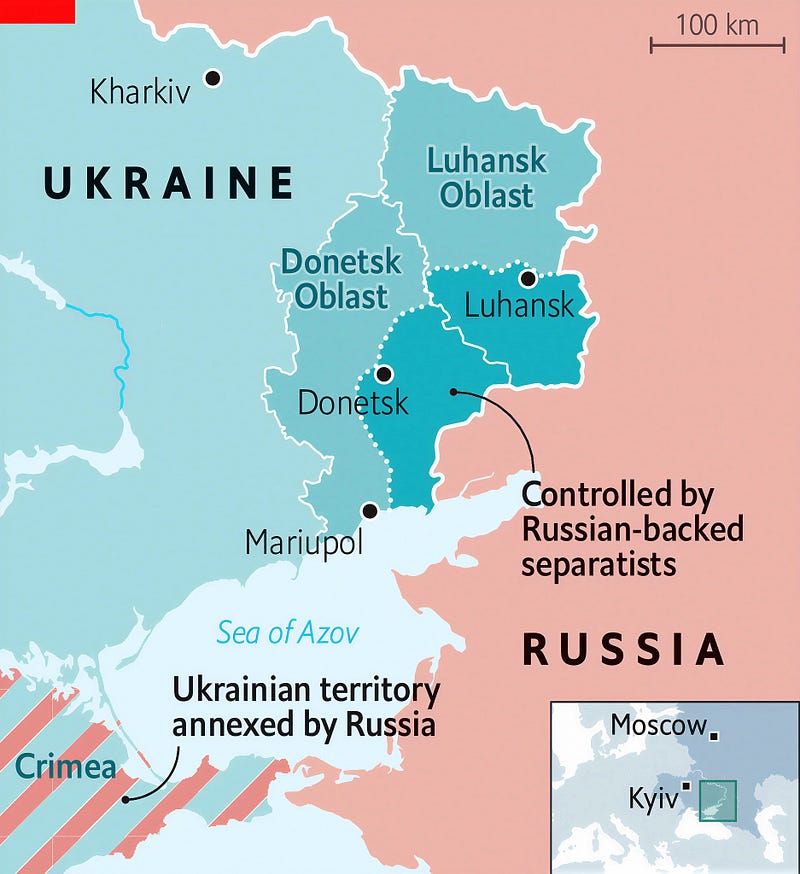
The Russian invasion, which was intended to divide Ukraine along historical and linguistic lines, had the paradoxical effect of solidifying the very inclusive national identity that Zelenskyy had advocated for. The shared struggle against a common enemy forged a new sense of unity, proving his pre-war ideological gamble to be prescient. The war itself became the defining event that crystallized a new Ukrainian identity, one defined by resilience, shared sacrifice, and an unwavering loyalty to the state.
The Oratory of a People: A Legacy in Speeches
Zelenskyy’s most direct and impactful intellectual contribution since the invasion is his collected wartime speeches. These works, which are available in books such as A Message from Ukraine and Glory to Ukraine, are the only works officially authorized by him and serve as a powerful testament to his background as a performer and communicator. They are not academic texts, but a sophisticated form of public diplomacy that has fundamentally reshaped global public opinion.
The key themes of his oratory are a relentless appeal for international support, a celebration of Ukrainian bravery and resilience, and a consistent focus on the human cost of the war, particularly the suffering of children. He frames the conflict not as a regional dispute but as a global struggle for freedom and democratic values, positioning Ukraine as the defender of the international liberal order. This argument is a central component of his case for Ukraine’s right to become an equal member of Europe and to receive military and humanitarian support.
His rhetorical strategy is a masterful fusion of his dual professional backgrounds. As a lawyer, he is trained in logic and argument, while his experience as an actor and scriptwriter allows him to connect with an audience on an emotional level. He customizes his speeches for each specific national audience, drawing historical parallels with events significant to each nation’s memory, such as Pearl Harbor, 9/11, and the Berlin Blockade. This approach allows him to bypass national self-interest and appeal to a higher, universal principle. He also effectively uses visual metaphors, such as his signature military green t-shirt and his unkempt appearance, to construct a relatable and heroic image of a “people’s guardian” and a “tragic figure”. The rhetorical choices are a direct extension of his background, demonstrating a deep understanding of the power of narrative to shape perception and inspire action. By delivering messages that are both “visceral” and “to the point,” he has made his oratory a key intellectual contribution, fundamentally reframing a regional conflict into a worldwide struggle for democratic values.
Conclusion: The Unscripted Legacy
Volodymyr Zelenskyy’s intellectual contributions and core beliefs defy traditional categorization. They are not found in scholarly papers or political manifestos but are embedded in a decades-long public career that blurred the lines between satire and statesmanship. His journey reveals a leader whose political vision was formed not in a backroom but on a stage, a vision that championed anti-corruption, an inclusive civic nationalism, and the conviction that freedom is an act of courageous, physical embodiment.
The war, intended to shatter Ukraine and its leadership, instead acted as a catalyst, testing and ultimately validating the very beliefs that had guided him. His psychological profile, leadership style, and political ideology all converged in the crucible of conflict, proving that his authenticity was not a constructed facade but the genuine expression of a deeply ingrained personality. His legacy, therefore, is an unscripted one, a new paradigm of political influence where authenticity, personal conviction, and the power of narrative are as potent as political experience and military might. He has demonstrated that in the modern era, a leader’s most profound intellectual contribution may not be what they write, but what they do, and the moral authority they earn by the courage of their actions.