
Betrayed in Plain Sight: Grooming Gangs, Group-Based Child Sexual Exploitation, and the Collapse of Safeguarding in the United Kingdom
“We have lost more than a decade” to the same warnings going unheeded. Every year of delay brings new victims and entrenches mistrust in institutions.
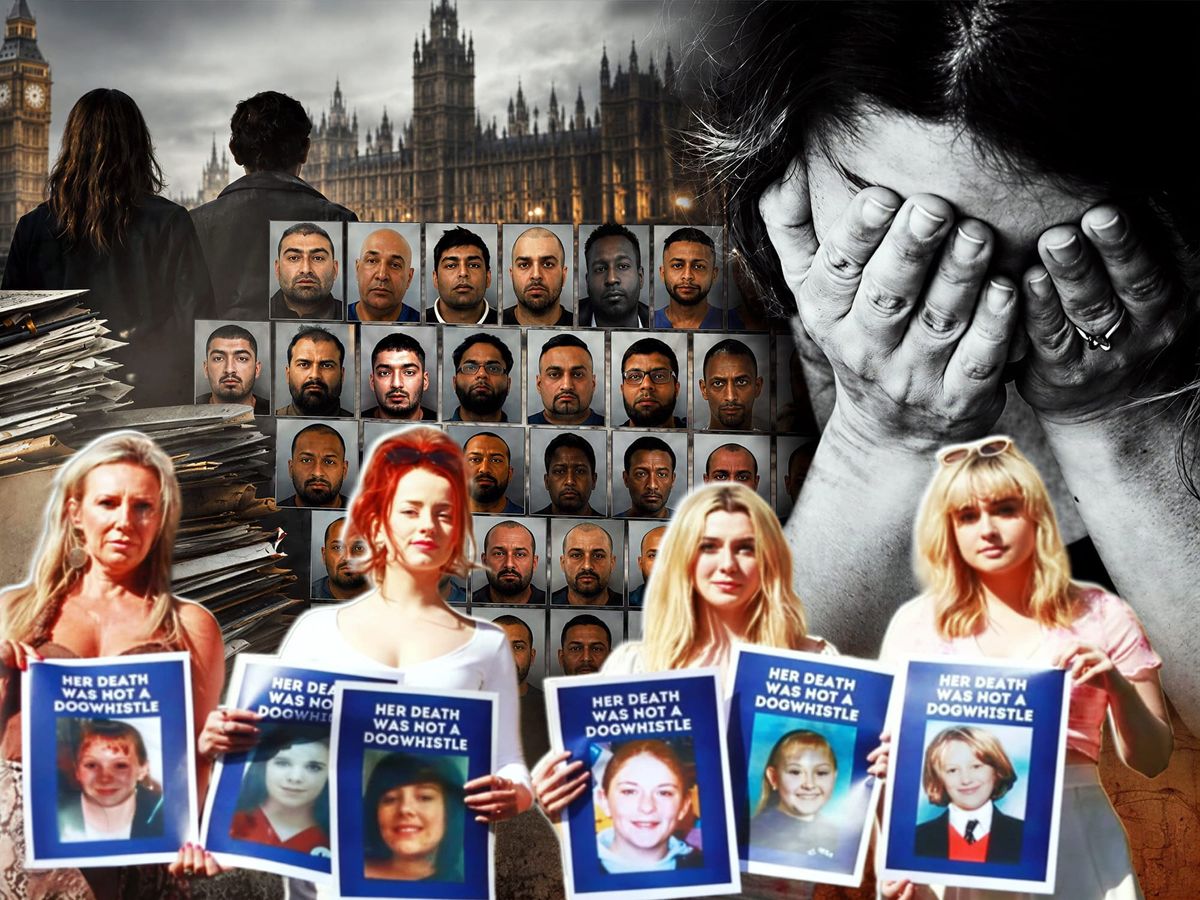
A Public-Interest Investigation into Victim Neglect, Institutional Failure, Data Gaps, and the Urgent Need for National Reform
Executive Summary
Group-based child sexual exploitation – often called “grooming gang” abuse – is a rare but devastating phenomenon. Recent official reviews emphasize that it involves “multiple perpetrators coercing, manipulating and deceiving children into sex”, causing lifelong harm. Over the past two decades, UK investigations (notably Rotherham 2014 and Telford 2022) have revealed hundreds of young victims and “deep-rooted failure” by agencies to protect them. Successive inquiries – from the independent Rotherham Inquiry (2014) to Baroness Casey’s 2025 National Audit – have documented the same themes: authorities fragmented and in denial, victims blamed, intelligence siloed, and prosecutions delayed. This report synthesizes official findings, academic studies, and media investigations up to 2026. We distinguish well‑established facts from disputed claims, especially concerning perpetrators’ ethnic background. The evidence shows that many high-profile cases involved men of British‑Pakistani heritage, but experts stress the lack of comprehensive data and warn against simplistic generalisations.
Key inquiries conclude that 15 years of repeated warnings have resulted in “too little...progress”. Victims’ testimonies and audits paint a stark picture: girls (often in care or with other vulnerabilities) were systematically groomed and sexually abused, yet those failures were minimised or ignored by police, social services and schools. Without urgent reform – including better law enforcement, multi‑agency safeguarding, data transparency and survivor support – children will remain at risk. The government has pledged new laws, a national inquiry and better data collection, but these must be implemented in full.
Definitions and Scope
Group-based child sexual exploitation (CSE) refers to the systematic grooming and abuse of children by multiple perpetrators acting together (for example, a social network or “gang” of abusers). Official guidance defines it as a group or network in which members co‑incite or facilitate child abuse. Victims of such crimes are typically minors coerced into sexual activities through gifts, drugs, alcohol, or threats. Crucially, any sexual activity with a child is non‑consensual by law (a child cannot legally consent to rape or abuse). Localised grooming is an overlapping concept that came to prominence after the Rochdale scandal. It describes a network of abusers operating within a specific locality. A parliamentary inquiry (2013) observed that localised grooming involved “a large network” of suspected abusers targeting vulnerable girls (often aged 12–16 and many in local authority care). In those cases, offenders (notably of South Asian heritage) were reported to “pass [victims] from one abuser to another”. This report uses “group-based CSE” as an umbrella term for these networks, whether local or more organised. (All forms of CSE are a subset of child sexual abuse, defined as any act involving a child in sexual activity for another’s gratification.)
What Happened: Patterns of Abuse and Mechanisms of Grooming
Evidence from investigations and survivor accounts describes a common grooming pattern. Offenders typically target vulnerable children – especially pre‑teens and teenagers who have histories of abuse, neglect, or being in care. One official audit notes that these girls were chosen “because of their vulnerability”: they often had repeated missing episodes, were in foster or residential care, disengaged from school, and sometimes had disabilities. Abusers use a seductive “boyfriend model”: they befriend a girl, shower her with attention, gifts or small jobs (often buying food from takeaways or taxi rides), and gradually normalize sexual contact. The girl comes to believe she is in a loving relationship; Casey’s audit describes this as creating “an illusion of consent”.
Once trust is gained, the victim is then “passed…to other men” in the network. Drug and alcohol misuse are common tools to undermine the child’s resistance, and violence or threats of violence enforce compliance. The predators act as a (loose) network – often friends, relatives or colleagues – so that no single offender appears accountable. A government audit explains: “Grooming gangs are often loosely interconnected…homogenous in age, ethnic background and socioeconomic status. Acting in a group has a disinhibiting effect, while misogyny or ‘othering’ allows them to disregard victims.”. Survivors’ descriptions of their abuse are harrowing. One inquiry quoted girls saying adult men “worked to gain their trust before ruthlessly betraying that trust, treating them as sexual objects or commodities. Countless children were sexually assaulted and raped”. These girls lived in fear and shame, with some suffering repeated trauma (forced abortions, sexually transmitted infections or other injuries).
Case Studies: Major Flashpoints
In multiple towns, similar abuse patterns came to light through prosecutions and inquiries:
- Rotherham (1997–2013): The city’s Independent Inquiry (2014, led by Alexis Jay) conservatively estimated at least 1,400 child victims over 16 years. The inquiry found dozens of local men (mainly of South Asian background) systematically grooming girls; yet for years Rotherham Council and police dismissed warnings. By 2014 only a few perpetrators had been jailed. (The government later removed the council’s leaders and launched Operation Stovewood, yielding over 39 convictions and 470+ years of sentences.)
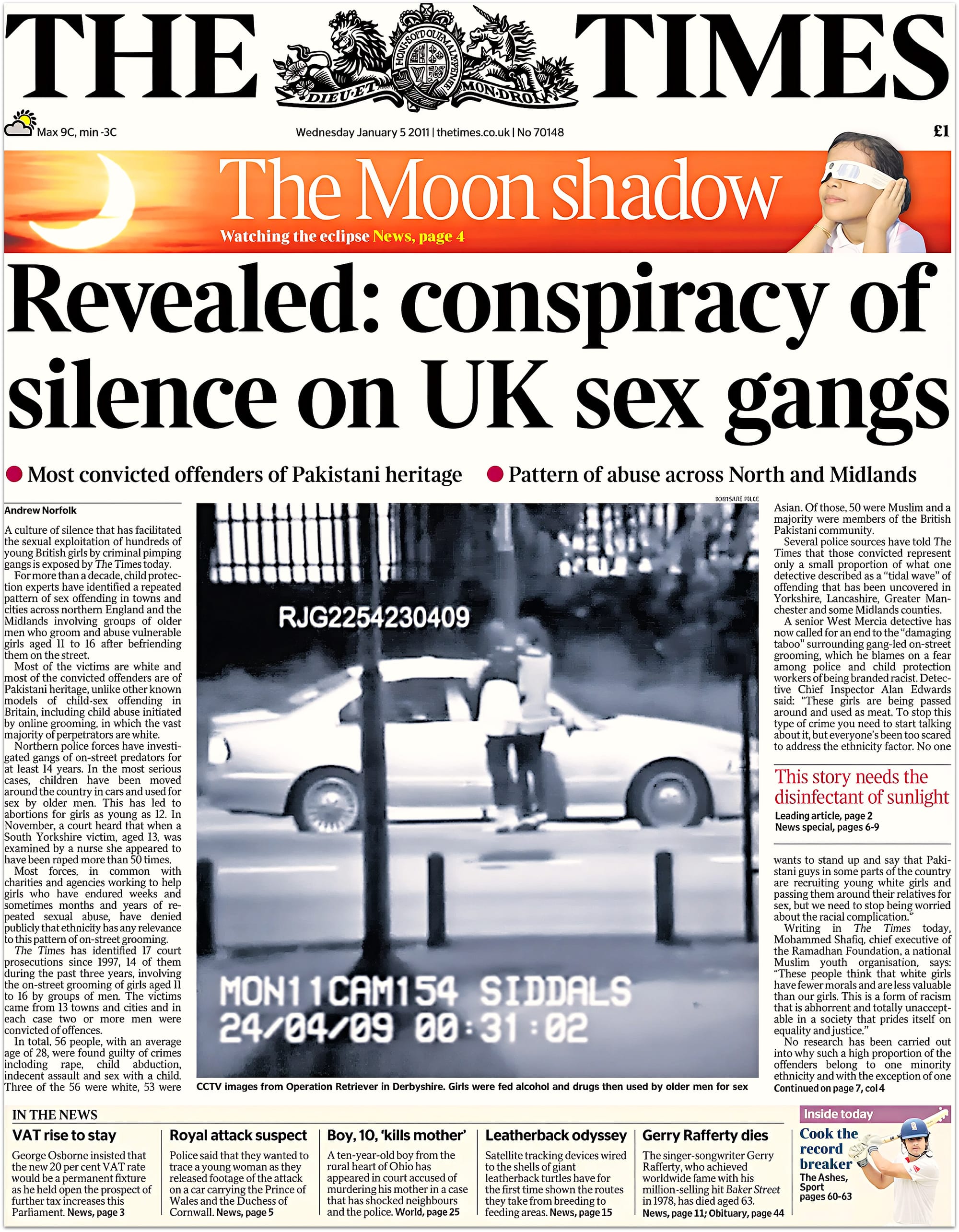
- Rochdale (2008–2012): In 2012, nine men were convicted of running a local grooming ring. They had sexually exploited about 47 girls (aged 12–16) in the town. Many victims were in care. A 2013 Home Affairs report noted it was a “large network” of abusers who passed vulnerable white girls between them. Importantly, all nine convicted were of Asian heritage and the victims were White. Initially, the Crown Prosecution Service had been reluctant to pursue the case—officers doubted the girls’ credibility—until the chief prosecutor overruled this and secured convictions.
- Oxfordshire (2004–2011): In 2013, seven men (mainly of Pakistani heritage) were convicted for abusing vulnerable teenage girls in Oxford. All the victims were White British and several were in local authority care, with histories of missing episodes. A local review found that multiple professionals (police, social workers) had failed to connect abuse reports over years until finally the offenders were brought to justice.
- Telford (1980s–2018): A three-year independent inquiry (Tom Crowther, 2022) concluded that over 1,000 children had been sexually exploited over decades in Telford. Abusers (some jailed in 2013’s Operation Chalice) were largely White British, but the local failures mirrored other towns: authorities had downplayed reports, blaming victims and scaling down dedicated CSE teams. The inquiry found investigations were “not undertaken because of nervousness about race,” meaning officials feared community backlash. After initial convictions in 2013, police and council funding for CSE work was cut “to virtual zero,” allowing exploitation to continue unchecked.
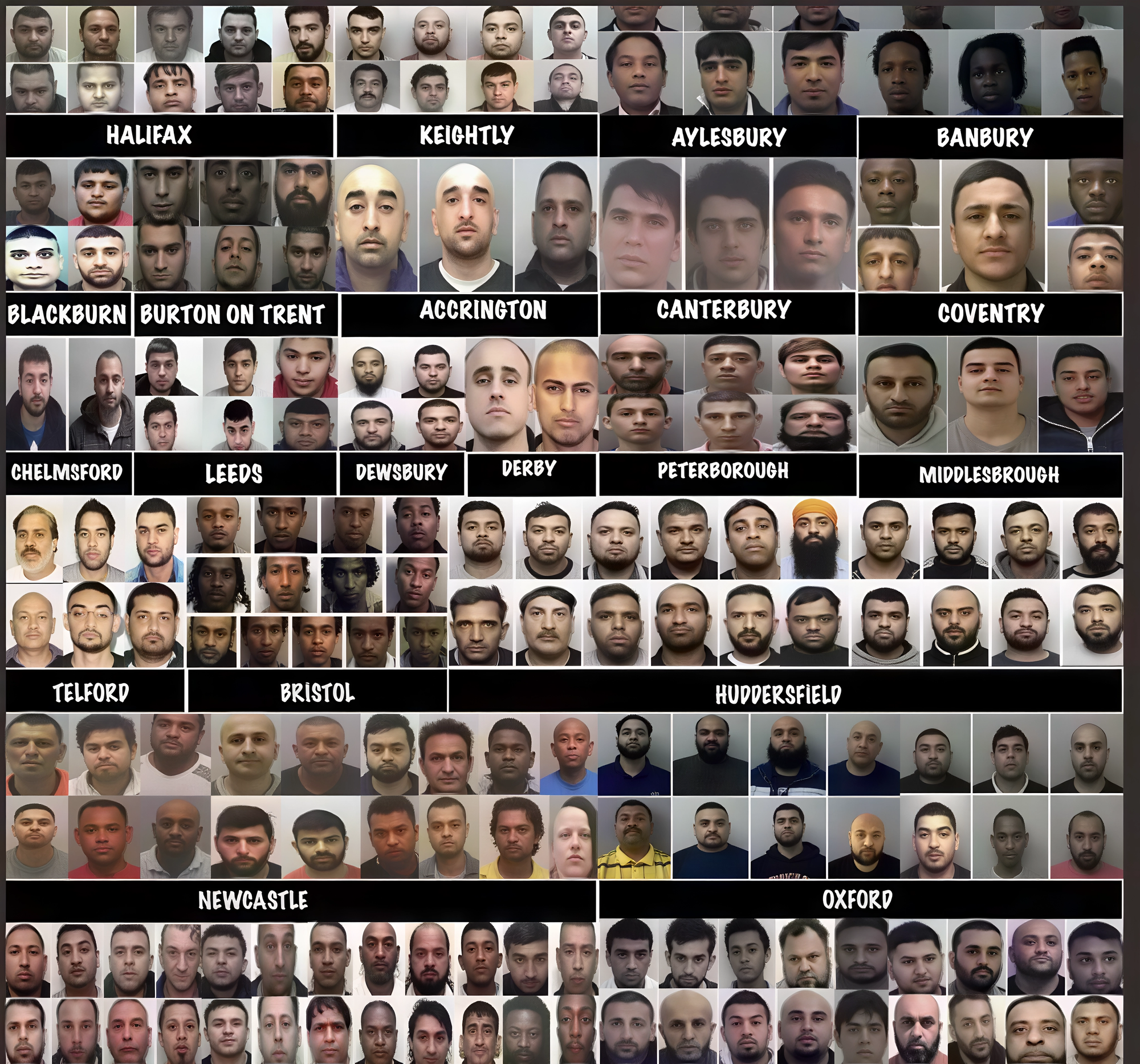
Other high‑profile ring prosecutions (e.g. in Bradford, Nottingham, Newcastle) followed a similar script: groups of older men targeting teenage girls, arrests after years of inaction, and devastating survivor testimony. (For example, a 2013 press report noted 11 men, “predominantly of British Pakistani ethnicity”, groomed 26 girls in Derbyshire.) In response to these clusters of cases, local and national audits have become more common. Greater Manchester and West Yorkshire have each launched multi-year assurance reviews since 2019 to assess past CSE handling, and police forces have piloted organized crime taskforces for CSE.
Institutional Failures: How Agencies Missed or Enabled Abuse
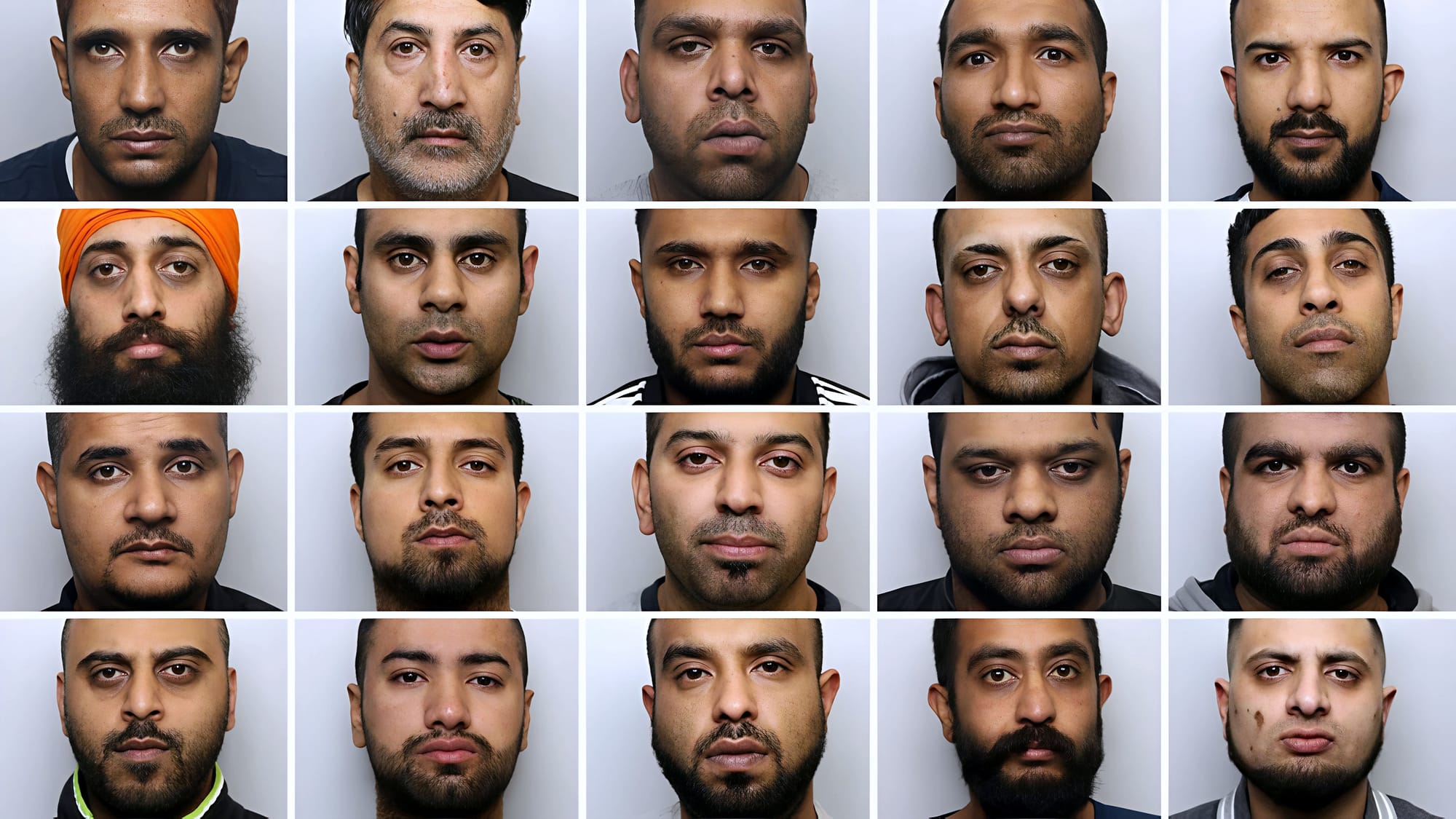
A consistent theme across inquiries is systemic negligence. Police, councils, schools and others repeatedly failed to join the dots between reports. Children raising alarms were often dismissed or penalized. Casey’s audit bluntly states there was “a deep-rooted failure to treat children as children”. For example, Rotherham’s young victims were often labelled “streetwise” or “prostitutes” by officials and even the police, rather than recognized as abused children. Only one IICSA review (2022) found that police and councils had historically “downplayed the scale of the problem and often blamed children”. Similarly, the Rochdale inquiry noted that before 2012, many agencies did not take reports of sexual abuse seriously, partly because such abuse had been misunderstood or stigmatised.
Information-sharing between agencies was disjointed. Reviews found that social services, schools and police often did not alert each other even when multiple professionals saw the same child. A 2013 child protection report called for “better sharing of data” because local areas had inadequate data on the size and scale of grooming. Without protocols, important intelligence (e.g. patterns of missing children or taxi trips) was ignored. One audit noted that CSE risk was seen as a problem “somewhere else,” leading to a “vicious circle” of each agency assuming another would act.
When cases did reach the justice system, they encountered further barriers. Prosecutors often treated exploited children as unreliable witnesses; in Rochdale the CPS initially declined to charge the offenders for this reason. Lengthy delays in investigation and court meant victims relived trauma without progress. Even when convictions occur, mistakes persist: victims have reported that abusers break anonymity orders online, yet authorities rarely enforce penalties. A major audit quotes survivors lamenting that “abusers walk free” and victims are denied full trauma counselling for fear of affecting evidence.
Across the board, safeguarding bodies were too slow to learn lessons. Serious Case Reviews (SCRs) and internal audits repeatedly recommended training front‑line staff to recognise grooming and to avoid blaming children. Yet Casey found the system still had “too much fragmentation…too much denial” and noted that the same problems identified in Rotherham (2014) and other reports continued to recur. In short, failure to view victims as children needing protection (rather than “problematic teenagers”) allowed abusers to operate year after year.
Data, Evidence, and the Ethnicity Recording Challenge
Quantifying the problem remains hard. There is no national prevalence study of child sexual abuse or exploitation. Official data systems do not even flag “grooming gang” incidents clearly. The Casey audit reports that inconsistent definitions and siloed records “obscure rather than clarify the picture”. For example, police databases record tens of thousands of child sexual offences each year, but only a fraction are identified as exploitation, and far fewer as group-based. In 2023 just over 100,000 child sexual abuse offences were recorded in England and Wales, of which roughly 17,100 were flagged as CSE – and in new pilot data only ~700 were identified as group-based exploitation. Experts warn that under-reporting and record-keeping gaps mean the true scale could be many times higher.
A major point of contention is perpetrator ethnicity. High‑profile cases (Rotherham, Rochdale, Oxford, etc.) have mostly involved men of South Asian heritage, which led media and some officials to suggest cultural factors may play a role. The government audit called explicitly for robust analysis of this question. However, the audit and other reports stress that national data on offenders’ race or religion are largely unavailable. Casey’s team found that in existing records “two-thirds of perpetrators have no recorded ethnicity”, making it impossible to draw firm conclusions countrywide. The Home Office’s own 2020 report similarly noted it was “difficult to draw conclusions about offender ethnicity” from limited data.
Local reviews do show patterns in specific areas. For example, Baroness Casey notes that data from three police forces clearly showed over-representation of suspects of Asian and Pakistani heritage. Elsewhere, Greater Manchester and South Yorkshire reviews (2019–2020) found many grooming suspects of Pakistani background. But the audit warns that this may reflect localized patterns (and the specific focus of high‑profile cases) rather than a universal rule. Importantly, many other cases have involved White or mixed-heritage offenders – a phenomenon noted in independent inquiries – so any analysis must avoid stereotyping. As Casey wrote: “No one in the last decade has established the truth one way or another”.
Meanwhile, public debate on ethnicity has sometimes been distorted. Some commentators have spread sensational but unsupported claims (for example, an online myth that “90%” of all child rape is committed by men of one background). Casey’s audit warns that incomplete data is being “used to suit the ends” of those arguments. Such misinformation harms minority communities and distracts from identifying all offenders. What is clear, and agreed by experts, is that grooming gangs are not the preserve of any single race or religion: perpetrators have been prosecuted from diverse backgrounds. Official reviews emphasize focusing on risk factors and victims, not ethnic blame.
Public Debate, Media Coverage, and Politicization
These crimes have been a flashpoint in UK public discourse. The media spotlight (Channel 4 documentaries, news exposés, dramas like “Three Girls”) has drawn outrage, but also controversy. Politicians and pundits on both left and right have weighed in. Home Secretary Yvette Cooper warned of “devastating accounts of brutal rapes… humiliation [and] betrayal of vulnerable children by those charged with protecting them”, underlining the moral urgency. At the same time, public debates often fixate on ethnicity or religion. For instance, the Telford inquiry explicitly found some officials were “nervousness about race” in investigating cases. Advocacy groups on one side argue authorities were reluctant to act for fear of being called racist, while others caution that focusing only on one community may obscure other cases.
In Parliament, these tensions surfaced too. The Home Affairs Committee (2013) noted that while agencies were urged to recognize a model of “Pakistani heritage men targeting young White girls,” they were also warned not to stereotype or overlook other scenarios. More recently, Baroness Casey has warned that social media and extremists use the lack of data to “sow and spread hatred”. Indeed, her audit quotes a civil servant saying an “overwhelming problem with White perpetrators” was claimed without proof, and that such false narratives do “no one any favours”.
Overall, the coverage and rhetoric have raised awareness of CSE, but have sometimes distorted priorities. Campaigners note that sensational headlines or politicized arguments can eclipse the victims’ voices. Experts insist on clear distinctions: drawing on official inquiry findings versus baseless generalisations. (For example, the National Audit and IICSA reports explicitly call for better data collection on ethnicity and warn against using shoddy statistics to justify prejudice.) Meanwhile, survivors and child protection advocates stress that children’s suffering was consistently sidelined amid the debate. As Yvette Cooper put it: “Despite all these inquiries, no one listened and nothing was done” until now.
Accountability: Findings from Inquiries and Audits
Over the past decade, dozens of official inquiries, SCRs and police audits have documented the failures above. Each of the “flashpoint” cases prompted local reports. The Rotherham Jay Inquiry (2014) led to council leadership resignations and a police probe that eventually secured dozens of convictions. In Rochdale and Oxford, local reviews echoed similar failures: children in care ignored, no joined‑up response. The Telford inquiry (2022) detailed council and police lapses and has required two-year follow-ups on its recommendations.
Nationwide, two major independent investigations have been completed. The IICSA final report (Feb 2022) included a chapter on CSE by organised networks. It consolidated over 400 previous recommendations and confirmed the core problems: children blamed, agencies complacent, and the scale of abuse underestimated. The Baroness Casey national audit (June 2025) was explicitly tasked with assessing these issues. It concluded that “too much fragmentation,” “too much denial,” and outdated processes persisted. Casey’s report runs to 197 pages and lists twelve immediate recommendations (see below).
Critically, these reviews note that their findings are not new. As one official summary observes: “As [Casey’s report] sets out, there have been 15 years of reports, reviews, inquiries and investigations… but too little has changed. We have lost more than a decade”. The UK government now claims it will implement all remaining recommendations – from updating school guidance to strengthening policing laws. For example, the current Home Secretary has announced new legislation to make organized child grooming an aggravated offence and to extend mandatory reporting of abuse. Police forces have been ordered to re-open closed cases, and a new victims’ review panel (formerly limited to pre-2013 cases) now covers all survivors.
However, beyond promises there is concern. A 2023 HMICFRS inspection found that while most police forces adopted the IICSA definition of group CSE, many still struggle to identify and investigate these crimes proactively (with good practice varying widely by force). Independent auditors (Ofsted, HMICFRS) have been tasked to continue monitoring progress, especially in Greater Manchester and South Yorkshire, where much work remains.
What Must Change: A Concrete Reform Agenda
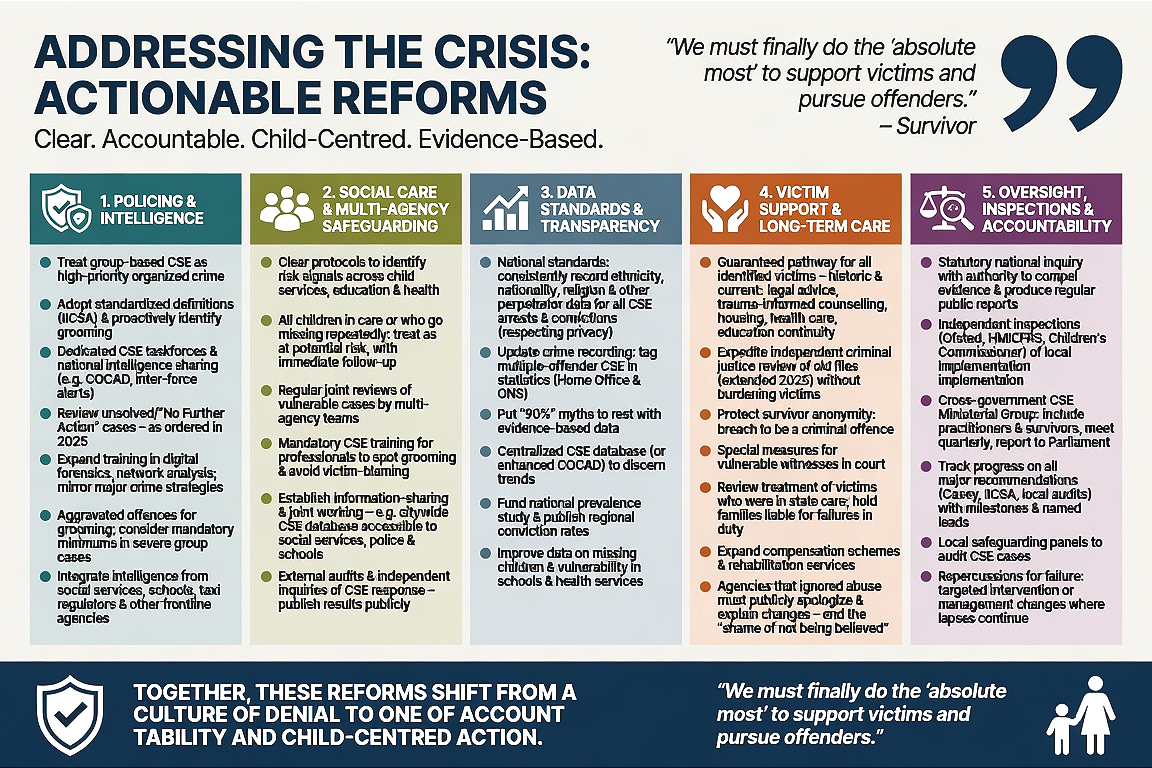
Addressing this crisis requires clear, actionable reforms across multiple fronts. Below are policy measures that experts and survivors advocate:
- Policing and Intelligence: Treat group-based CSE as a high‑priority organized crime. Police forces should adopt standardized definitions (as recommended by IICSA) and proactively identify grooming cases. This includes creating dedicated CSE taskforces or units and sharing intelligence nationally (for example, using the COCAD dataset and inter-force alerts). All forces must review unsolved/“No Further Action” cases – as ordered in 2025 – to bring perpetrators to justice. Training in investigative techniques (digital forensics, network analysis) should be expanded, and operations should mirror major crime strategies. Sentencing laws must reflect the gravity of organised CSE: the government is introducing aggravated offences for grooming, and Parliament should consider further measures (e.g. mandatory minimums in severe group cases). Intelligence from frontline agencies (social services, schools, taxi regulators, etc.) must be integrated into policing.
- Social Care and Multi-Agency Safeguarding: Local safeguarding partnerships (including child services, education and health) need clear protocols to identify risk signals. All children in care or who go missing repeatedly must be treated as at potential risk of exploitation, with immediate follow-up. Multi-agency teams should hold regular joint reviews of vulnerable cases. Professionals (social workers, teachers, doctors) require mandatory CSE training to spot grooming patterns and avoid victim-blaming. Agencies must finally establish the “information-sharing and joint working” that Child Protection guidance has long promoted. For example, a citywide database of CSE concerns (accessible to social services, police and schools) could prevent children from being counted as “missing” or “runaway” when in fact they were under network control. Councils should conduct external audits (inspection teams, independent inquiries) of their CSE response – as Rotherham and others are now doing – with results published publicly.
- Data Standards and Transparency: National standards are needed so that ethnicity, nationality, religion and other perpetrator data are consistently recorded for all CSE arrests and convictions (while respecting privacy). The Home Office and ONS should update crime recording so that multiple-offender CSE is tagged in statistics. This would put the speculative “90%” myths to rest and allow evidence‑based discussion. At present, Casey notes “questions about ethnicity… still with no definitive answer at national level”. Establishing a centralized CSE database (or enhancing COCAD) will let analysts discern trends. The government should also fund a national prevalence study of CSE and publish regional conviction rates, so policymakers understand scope and can target resources. In schools and health services, continue to improve data collection on missing children and child vulnerability (as repeatedly recommended).
- Victim Support and Long-term Care: Policies must foreground survivors’ needs. All identified victims – historic and current – deserve a guaranteed pathway to help: legal advice, trauma-informed counselling, and practical support (housing, health care and education continuity). The independent criminal justice review panel (extended in 2025 to all cases) should expedite re-examination of old files without burdening victims. Survivors must have anonymity protected: any breach of a former victim’s identity should be treated as a criminal offence. Courts should continue allowing special measures for vulnerable witnesses. Many victims of grooming were children in the care of the state; their treatment must be reviewed under child protection legislation, with families liable if they failed in duty. Compensation schemes (where eligible) and rehabilitation services should be expanded. Finally, survivors emphasize accountability: agencies that ignored abuse must publicly apologize and explain changes, lest the “shame of not being believed” continue.
- Oversight, Inspections, and Accountability: To ensure reforms stick, strong oversight is crucial. The government should establish a statutory national inquiry (as announced) with authority to compel evidence and produce regular public reports. Independent bodies (Ofsted, HMICFRS, Children’s Commissioner) must inspect how well local agencies implement CSE guidance. A dedicated cross-government CSE Ministerial Group (already formed) should include frontline practitioners and survivor advocates, meeting quarterly and reporting to Parliament. Progress on every major recommendation – from Casey, IICSA and local audits – should be tracked transparently, with milestones and responsible leads. In each locality, safeguarding panels (e.g. Local Safeguarding Children Boards) must audit their CSE cases. Finally, there must be repercussions for agencies that continue to fail: for example, recurring lapses could lead to targeted government intervention or management changes, as was done in Rotherham.
Taken together, these reforms aim to shift from a culture of denial to one of accountability and child-centred action. As one survivor said: we must finally do the “absolute most” to support victims and pursue offenders.
Conclusion: Why Action is Urgent
This scandal is not a relic of the past but a present crisis. Official inquiries all warn that without change, “offenders [will remain] emboldened” and victims will be “left forgotten”. Baroness Casey’s audit emphasizes the cumulative cost of inaction: “We have lost more than a decade” to the same warnings going unheeded. Every year of delay brings new victims and entrenches mistrust in institutions. The policy blueprint is clear: tighten laws, revolutionize multi‑agency working, fix data gaps, and centre survivors’ needs. Authorities must now translate rhetoric into rapid, sustained effort. The urgency cannot be overstated: unless we radically reform the system, countless children will remain preyed upon and justice will continue to evade them.
Key Takeaways
- Widespread trauma: Grooming gangs abuse victims as young as 10 through a manipulative “boyfriend” model, then pass them among multiple offenders. Inquiry reports detail beatings, gang-rapes and lasting harm to thousands of girls.
- Victims ignored: For years, police and social services dismissed warning signs and blamed victims instead of protectors. Most inquiries find that children in care and those missing were repeatedly let down.
- Systemic failure: Multiple audits (local and national) show the same failings: lack of inter-agency data-sharing, inadequate training, and leadership denial. The same issues have persisted despite years of warnings.
- Contested narrative: High-profile cases often involved British‑Pakistani perpetrators and white victims, leading to heated debate. Official reviews stress that data on offender ethnicity is incomplete and cautions against generalising. Misinformation has further fueled community tensions.
- Calls for reform: After decades of warnings, the government now accepts the urgency. A 2022 IICSA report and 2025 Casey audit make urgent recommendations that policymakers must act on immediately.
Reform Checklist for Policymakers
- Policing & Intelligence: Designate group CSE as a national policing priority. Create specialized multi-force task teams and mandate review of all historical grooming cases. Enhance data systems (e.g. COCAD) to flag group CSE and share intelligence across regions. Implement the promised aggravated-sentence laws and mandatory reporting for child abuse.
- Safeguarding Partnerships: Require consistent CSE training for all child-facing professionals. Establish multi-agency risk panels for every reported case. Enforce automatic investigations for children with multiple missing episodes or in care. Issue clear guidance so schools and clinics must flag grooming concerns immediately. Strengthen frameworks so no single agency can suppress an abuse report.
- Data & Transparency: Standardise definitions of CSE across agencies. Mandate recording of all offenders’ ethnicity and nationality in CSE cases, and publish these statistics regularly. Fund a national prevalence survey of CSE. Ensure police crime codes capture group exploitation distinctly. Require councils to publicly report local CSE incidents and responses (similar to crime statistics).
- Victim Support: Guarantee lifelong, trauma-informed support to survivors of grooming (therapeutic, educational and legal). Expand the remit and funding of the independent case review panel (as announced) so any survivor can seek a fresh review of their case. Enact strict enforcement of victims’ anonymity. Provide compensation where possible and legal aid for those pursuing justice. Create independent advocacy for every victim navigating the system.
- Oversight & Accountability: Launch a full statutory national inquiry into historical and current group-based CSE (with a survivors’ advisory panel). Embed survivors in monitoring boards and ensure ministerial oversight (e.g. continuing the Child Protection Ministerial Group). Insist on annual audited progress reports to Parliament. Empower Ofsted/HMICFRS to inspect how agencies implement CSE guidance, and require swift corrective action for failures. Only a concerted, data-driven reform effort can end this neglect.
Sources: Authoritative government audits and inquiry reports, court and inquiry findings, and recent investigative journalism have informed this analysis. Each claim above is grounded in these official reports, audits and credible media investigations.