Savage Shores, Simmering Souls: Montserrat’s Irish Catholic Crucible and the Gastronomic Creolisation of the Afro-Irish Atlantic
In the 1600s, thousands of Irish people—some voluntary migrants, many poor, orphaned, or punished—were sent to the Caribbean as indentured laborers, often forcibly, to work on sugar and tobacco plantations under harsh colonial conditions.
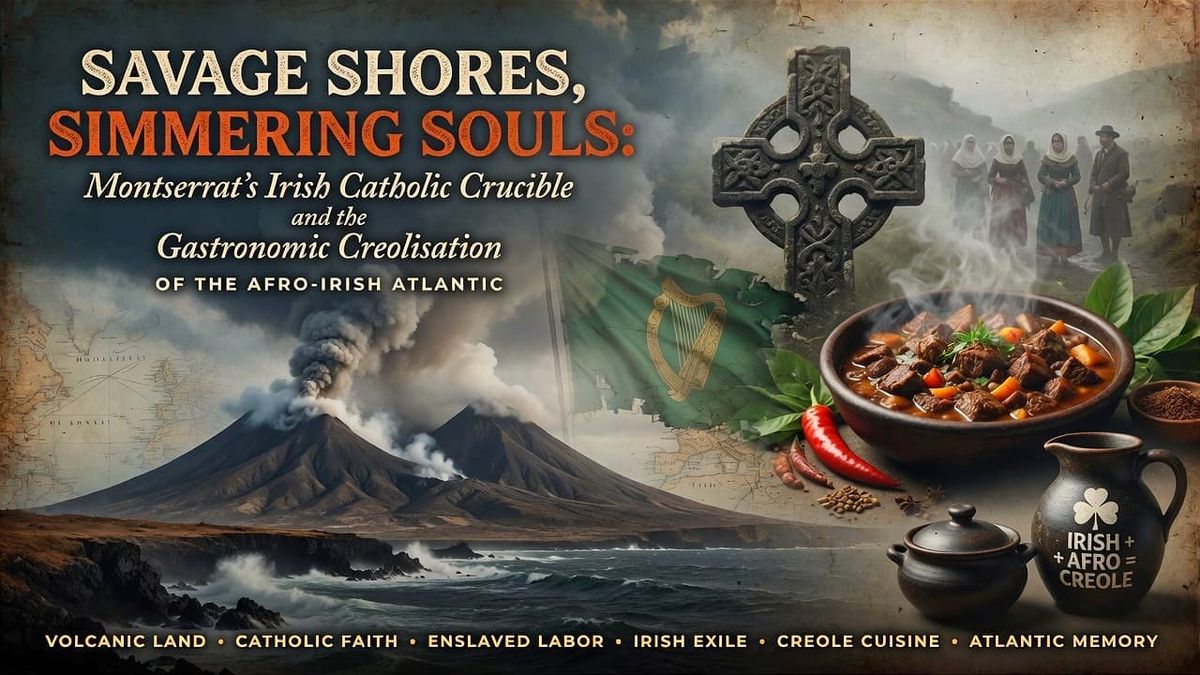
Montserrat was colonized by the English in 1632, when Irish Catholics expelled from nearby St. Kitts established a settlement on the island. Its Irish population later expanded as the British conquest of Ireland drove thousands of prisoners, displaced civilians, women, and children into forced transportation across the Atlantic. Many were sold into brutal plantation labour as involuntary servants or bonded workers—conditions that, for some, amounted in practice to temporary slavery. Montserrat consequently became the Caribbean’s most distinctly Irish colony. Over time, however, its plantation economy came to depend primarily upon enslaved Africans, whose descendants combined African, Irish, British, and Caribbean influences into Montserrat’s distinctive Afro-Irish culture.
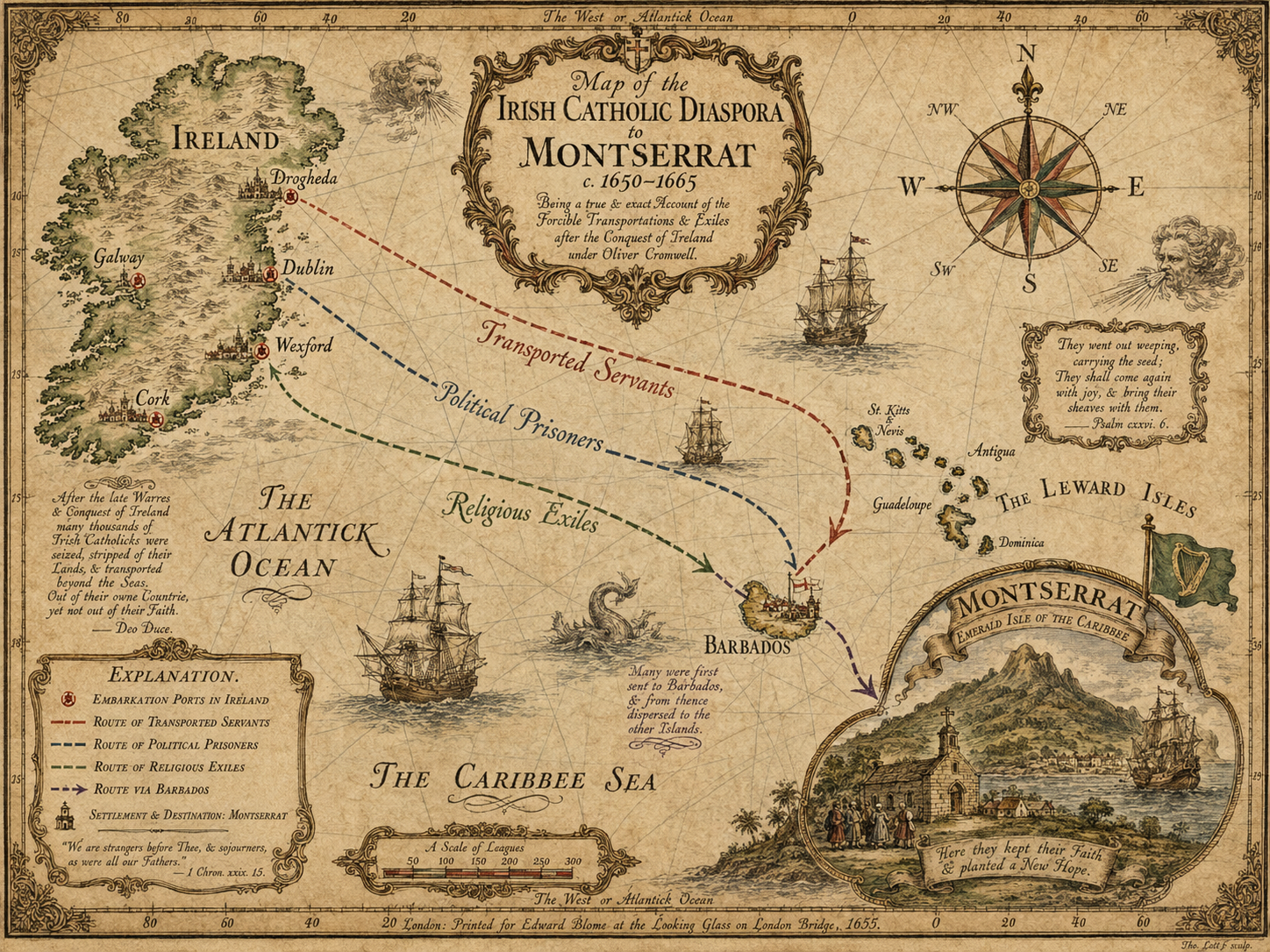
The Emerald Crucible: Forced Migration, Catholic Survival, and the Paradox of Irish Settlement in a Slave Society
This research report interrogates the anomalous seventeenth-century Irish Catholic diaspora that transformed the volcanic island of Montserrat into the so-called Emerald Isle of the Caribbean, a colonial experiment forged at the violent intersection of English imperial dispossession, transatlantic religious persecution, and African enslavement. Far from a romantic tale of green hills and Celtic nostalgia, Montserrat’s Irish history constitutes a profoundly ambivalent and meticulously documented case study in forced migration, creolisation, and the paradoxical construction of a white indentured labouring class that simultaneously resisted and replicated the machinery of racialised plantation capitalism. The report reconstructs the layered processes through which Irish Catholics, banished from their homeland by Cromwellian conquest and transported as indentured servants, political prisoners, and religious exiles, established a demographic and cultural foothold so tenacious that it reshaped the island’s toponymy, language, legal structures, and spiritual landscape, while nevertheless participating in the subjugation of an enslaved African majority. Through a critical examination of archaeological remains, colonial correspondence, parish registers, land patents, folklore, and linguistic survivals, the analysis reveals Montserrat not as a simple transplant of Gaelic culture, but as a crucible in which Irish Catholic identity was simultaneously preserved, transformed, and ultimately absorbed into a distinctive Afro-Irish creole society whose legacies continue to haunt the island’s postcolonial present. The research argues that Montserrat’s story challenges conventional diasporic narratives by exposing the uncomfortable truth that a community fleeing annihilation at home became, within a single generation, the architects of annihilation abroad, a historical entanglement that demands a reckoning with the moral contradictions of victimhood and perpetration in the Atlantic world.
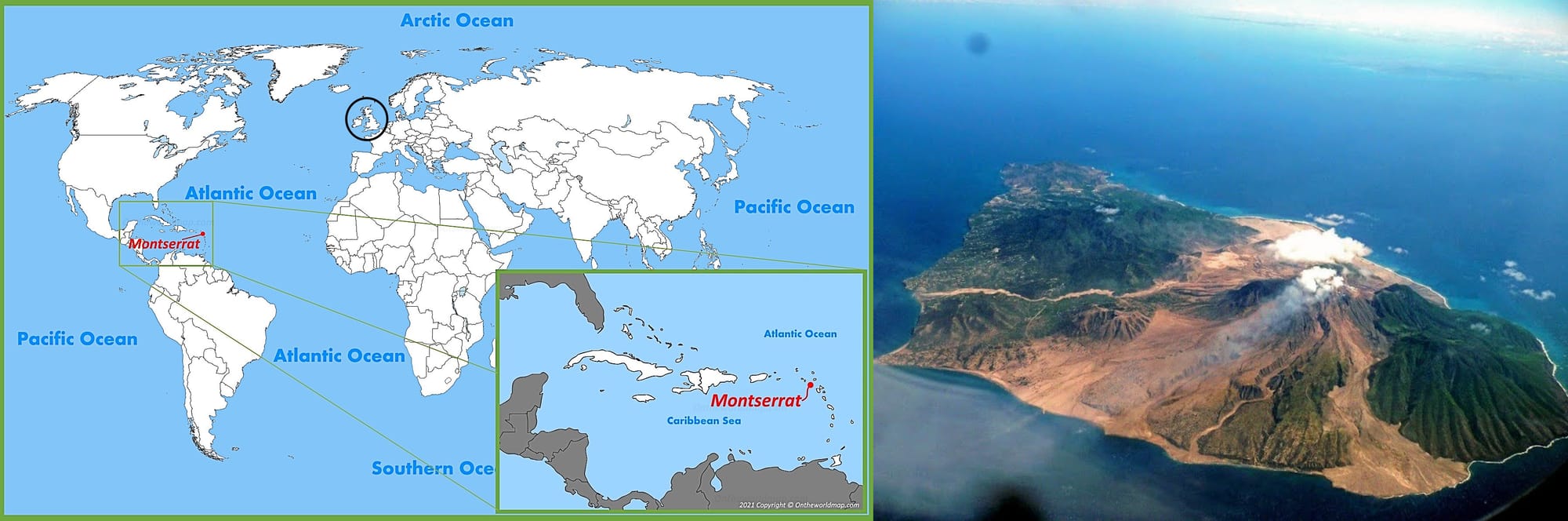
The geological and geopolitical stage for this human drama was set by the island’s physical character and its contested imperial status. Montserrat, a rugged, pear-shaped volcanic landmass of approximately one hundred and two square kilometres in the Leeward Islands chain, was sighted by Columbus in 1493 and named after the serrated mountain monastery of Montserrat in Catalonia, a detail that foreshadowed its later Catholic association. The island’s mountainous interior, deeply incised by ghauts, or seasonal ravines, and its fertile volcanic soils proved resistant to the large-scale sugar monoculture that flattened other Caribbean landscapes but ideal for smallholdings of tobacco, indigo, and provisions, a pattern that initially attracted yeoman farmers and indentured labourers rather than grandees. English claims to Montserrat were formalised in 1632 when Sir Thomas Warner dispatched a party of Anglo-Irish Catholics from the neighbouring colony of St. Kitts, where religious tensions with Puritan settlers had made their position untenable. This origin story, preserved in colonial state papers, immediately marks Montserrat as exceptional: it was conceived, from its first European settlement, as a haven for Catholics in a Protestant empire, a contradiction that defined its trajectory. The island’s early governance reflected this anomalous character, with Anthony Briskett, an Irish Catholic, serving as the first governor under English patent, while the population was overwhelmingly composed of Irish-speakers from the provinces of Munster, Leinster, and Connacht, many of whom had been displaced by the Tudor reconquest and the plantation of Ireland.
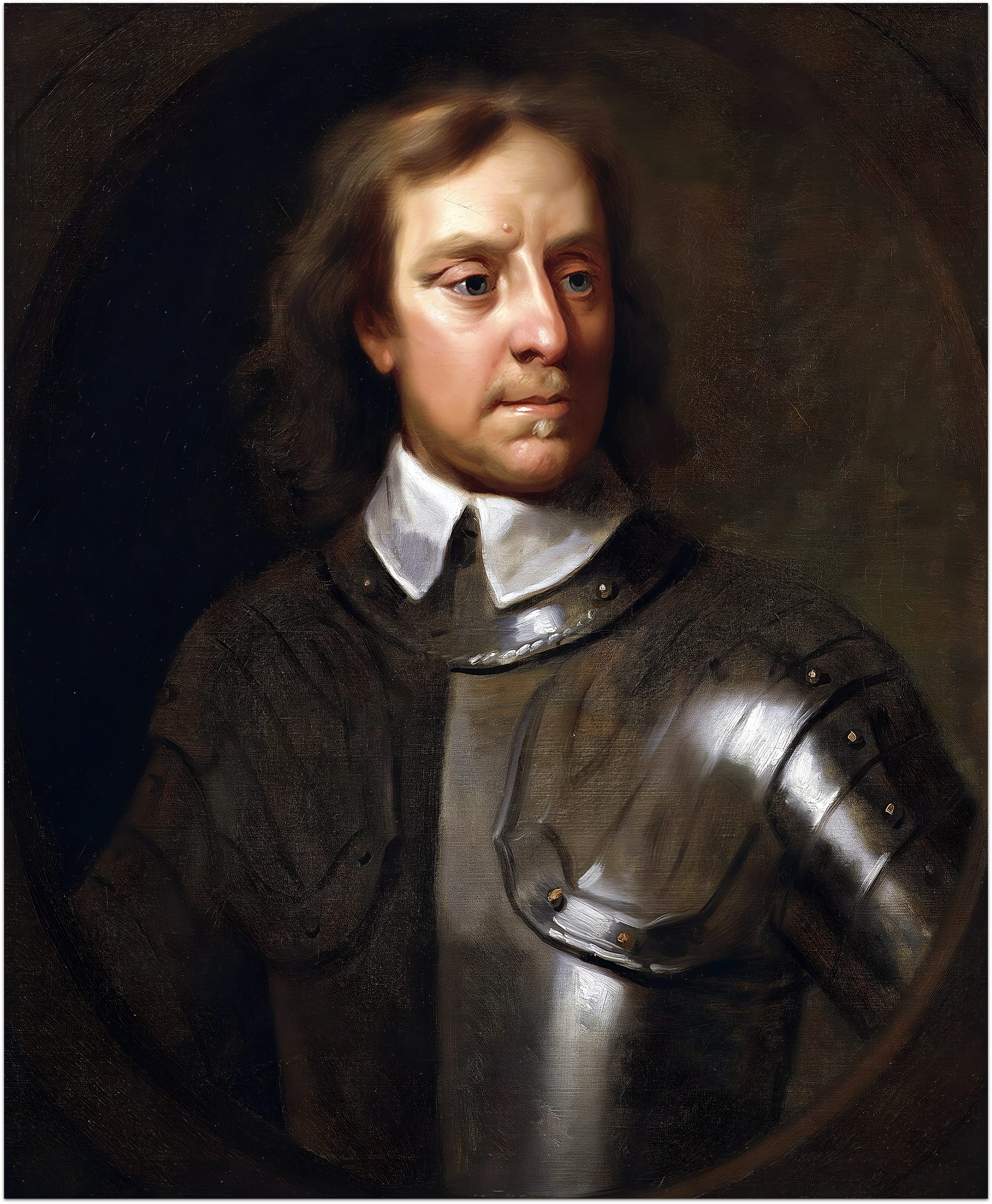
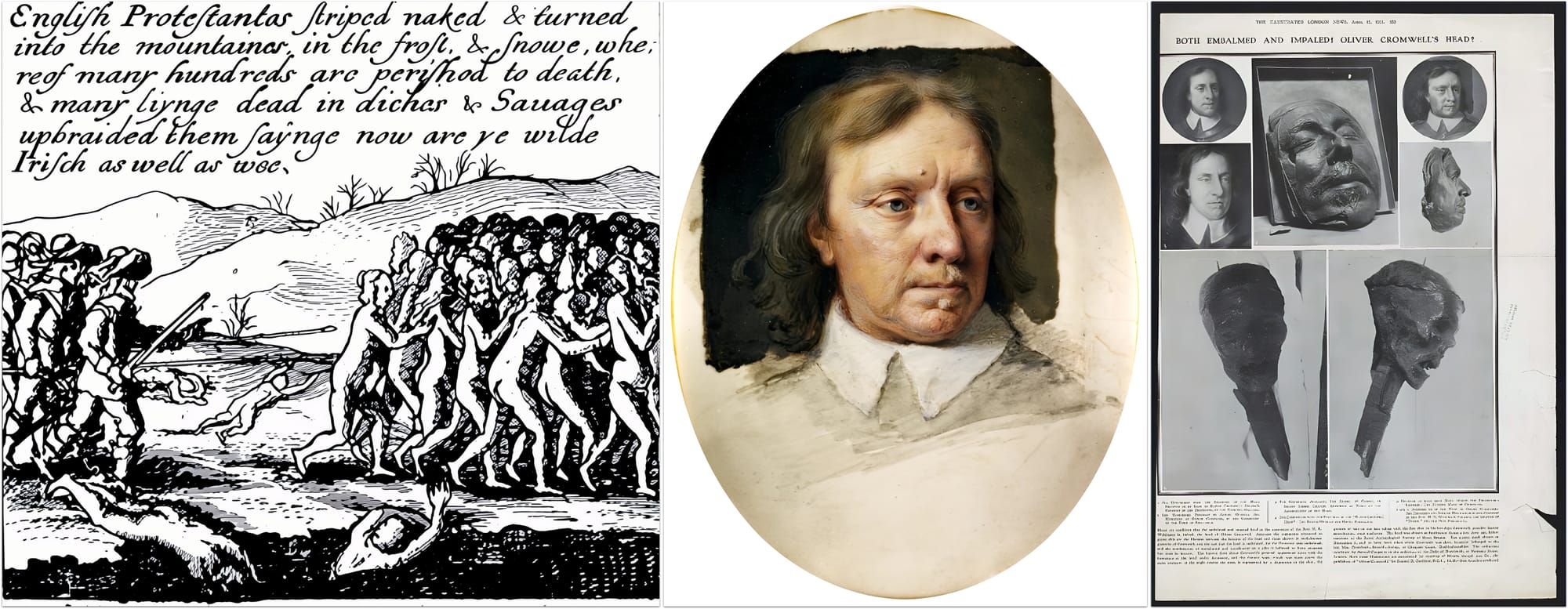
The critical demographic surge that sealed Montserrat’s Irish character, however, stemmed not from voluntary migration but from the genocidal depredations of the Cromwellian conquest of Ireland between 1649 and 1653. The ethnic cleansing and land confiscation that followed the defeat of the Confederate Catholic forces generated a catastrophic wave of forced migration, as tens of thousands of Irish men, women, and children were rounded up, sentenced to transportation, and sold into indentured servitude in the American and Caribbean colonies. Montserrat became a primary receptacle for this human cargo, receiving successive shipments of prisoners of war, vagrants, and orphans whose labour was auctioned to planters desperate to clear land and cultivate cash crops. Official records, including the Council of State order books, tersely document the dispatch of “Irish rebels” to the island, while the famous 1655 proclamation ordering the apprehension of “all wanderers, men and women, and other such Irish in the counties” for shipment to the West Indies confirms the scale of state-sponsored dispossession. By 1678, a census conducted by Governor William Stapleton enumerated the island’s population at approximately two thousand six hundred whites, overwhelmingly Irish, and one thousand two hundred enslaved Africans, a demographic ratio that was utterly atypical of the English Caribbean, where enslaved majorities already dwarfed white populations. This white indentured majority, largely Catholic, Gaelic-speaking, and bound by contracts of three to seven years, lived in conditions of brutal exploitation, subject to dietary deficiencies, tropical disease, and planter violence, yet their very numbers allowed for the survival of a distinct cultural ecosystem that included Irish language use, Catholic liturgical practice, and clan-based social networks, all of which operated in defiance of English penal laws.
Religious survival constituted the core of Montserrat’s Irish diasporic identity and the source of its most intense contestations. The island functioned as a de facto Catholic colony within a legally Protestant empire, a paradox enabled by distance, lax enforcement, and the sheer demographic dominance of the Irish. Despite the English Navigation Acts and the penal code that barred Catholics from public office, the franchise, and the bearing of arms, Montserrat’s Irish community maintained an underground church served by itinerant priests, often disguised as merchants or labourers, who risked execution to minister to the faithful. The names of these clandestine shepherds, Fathers Stritch, O’Daly, and others, emerge from missionary correspondence preserved in the archives of Propaganda Fide, revealing a sustained effort to supply the sacraments to a population starved for them. Folk memory and scant archaeological traces suggest the existence of mass rocks, secluded outdoor altars in the island’s high glens, reminiscent of the Penal-era worship sites in Ireland itself, where congregations gathered in secret to hear the Latin rite. The resilience of Catholicism was profoundly intertwined with the retention of the Irish language, which functioned both as a liturgical tongue, through prayers and devotional formulas transmitted orally, and as a vernacular barrier insulating the community from Anglican proselytism. By the late seventeenth century, the dominance of Irish speech was so pronounced that English visitors complained of feeling as though they were in a foreign country, and colonial administrators lamented the impossibility of enforcing the Act of Uniformity on a people who could not understand English sermons. This linguistic and religious citadel produced a distinctive Montserratian Irish Catholic identity that was neither a simple replica of the homeland’s pre-conquest culture nor a placid accommodation to colonial norms, but rather a tense, adaptive formation sustained under the shadow of the volcano.
Yet this cultural fortress was erected on the shifting and morally catastrophic ground of chattel slavery. The arrival of enslaved Africans, initially in smaller numbers compared to islands like Barbados or Jamaica, accelerated with the transition to sugar production in the late seventeenth and early eighteenth centuries, a transformation that fundamentally reordered the island’s social architecture and exposed the Irish community’s deep entanglement with racial capitalism. Irish indentured servants, upon completing their terms, often graduated to become small landholders or overseers, and the more successful among them acquired enslaved people, a trajectory that saw the formerly dispossessed become slave owners and slave traders with a speed that startled contemporary observers. The Montserrat slave rebellion of 1768, meticulously documented in trial transcripts and governor’s dispatches, was planned for St. Patrick’s Day, a chillingly symbolic choice that exploited the planters’ distraction during their patronal celebrations, and the revolt’s aftermath saw the execution and brutal punishment of enslaved conspirators, many of whom were owned by Irish-surnamed masters. The archives of the Royal African Company and merchant ledgers reveal the names of prominent Irish-descended families, the Trants, the Farrells, the Blakes, and the Skerrets, as major participants in the transatlantic slave trade and as owners of hundreds of human beings on the island’s sugar estates. The infamous Montserrat Codrington family, though of English origin, relied heavily on Irish overseers and managers whose reputation for harshness entered into planter lore, illustrating how the Irish, once the targets of a racialized discourse that cast them as savage and subhuman in English propaganda, now adopted and enacted the very logics of racial hierarchy upon African captives in order to secure their own fragile status within the imperial order. This collaboration produced what historians have termed a “white creole” hegemony in which Irish Catholic distinctiveness was gradually subsumed into a broader planter class identity, yet its ethnic and religious markers persisted, creating a schizoid consciousness that celebrated Gaelic heritage while enforcing Black subordination.
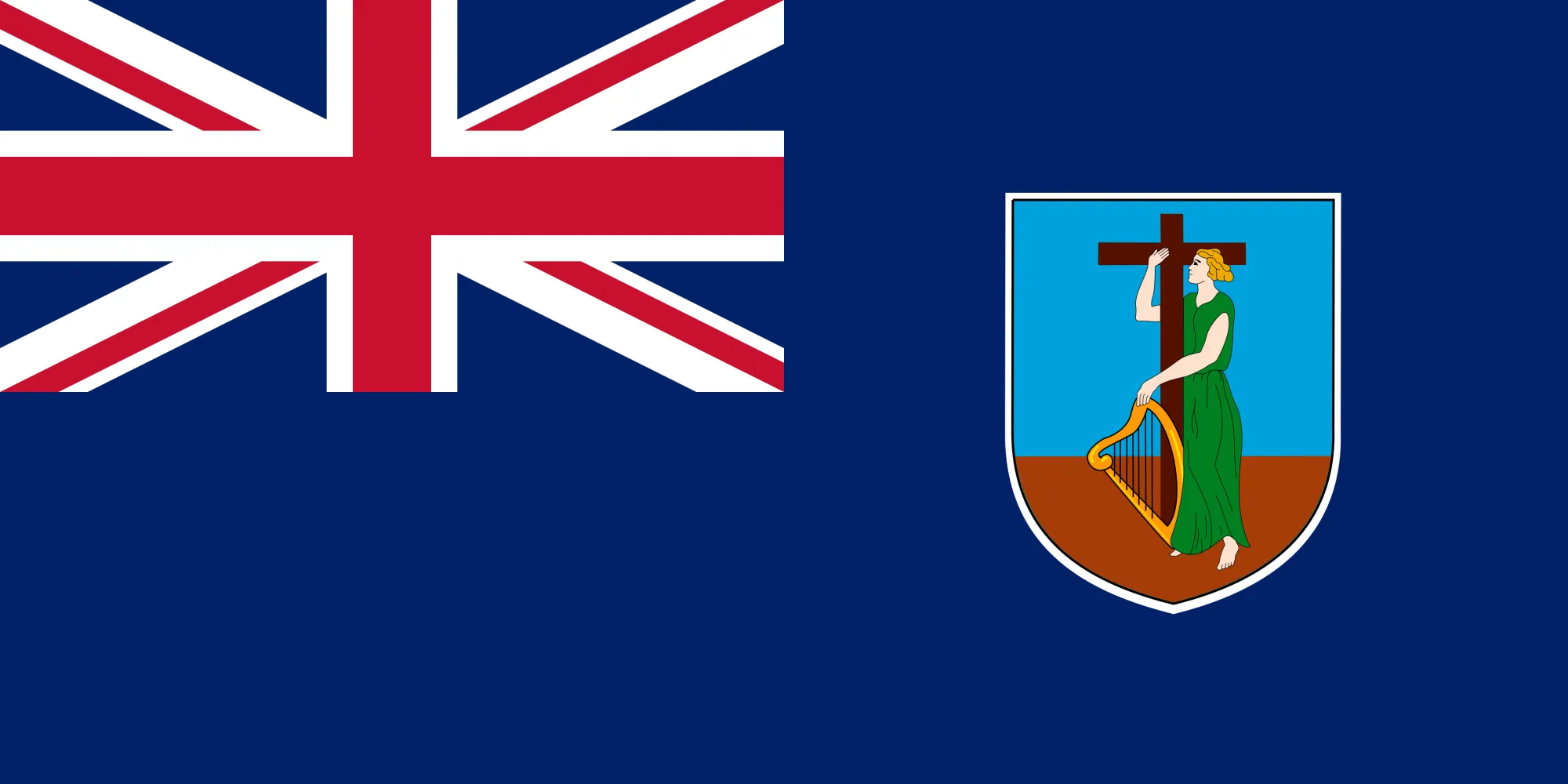
The material and linguistic archives of Montserrat bear enduring witness to this complex creolisation. The island’s toponymy reads like an uncanny palimpsest: Cork Hill, Kinsale, St. Patrick’s Parish, and Fogarty’s Ghaut coexist with Yoruba-derived place names and the echoes of Arawak geography, while the national flag still bears the figure of Erin, a cloaked woman with a harp and a cross, an explicit acknowledgement of the Irish founding.
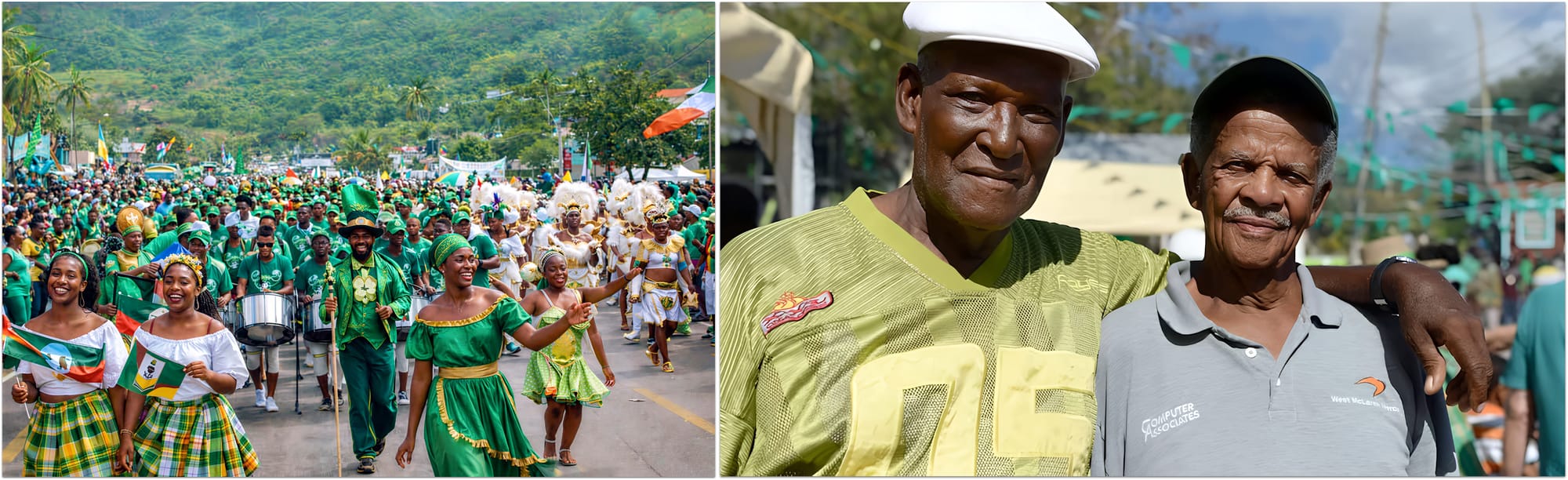
The Montserratian dialect of English, often called Montserrat Creole, preserves a layer of Hiberno-English syntactic and lexical items so pronounced that linguists have identified it as a distinct “brogue” influence within the Caribbean English continuum. Features such as the habitual “does be” construction, the retention of “mash” for crush, the use of “fornent” for opposite, and a characteristic intonation pattern that rises at the end of statements all point to a Gaelic substratum that has survived centuries of language shift. The traditional music of Montserrat, including the fife and drum ensembles and the ritual of the masquerade, reveals polyrhythmic African structures intertwined with melodic contours and dance figures reminiscent of Irish jigs and reels, a fusion most spectacularly performed during the island’s week-long St. Patrick’s Festival. This festival, officially resurrected in the 1980s, commemorates both the Irish heritage and the failed 1768 slave rebellion, transforming St. Patrick’s Day into a syncretic national holiday that attempts to hold together the island’s divided historical consciousness, a ten-day celebration of reconciliation, not without its tensions, that features a “Slave Feast” alongside a “Heritage Village” and includes Catholic masses, freedom walks to the ruins of the slave huts, and the ubiquitous green shamrock.
The archaeological record deepens this layered portrait. Excavations at the site of the former sugar plantation at Galways, on the island’s windward side, have uncovered a remarkable material culture in which Irish-made clay pipes, known as dúidíns, and coarse earthenware cooking pots resembling Irish graigue ware sit alongside Afro-Caribbean griddles, cassava squeezers, and blue-bead amulets of African spiritual provenance. The architectural remains of estate great houses, such as the stone ruins of the Farrells’ mansion, show a vernacular adaptation of Irish tower house features, including thick rubble walls and narrow loophole windows, transplanted to a tropical context where defensive needs were more about slave insurrection than clan warfare. The island’s cemetery archaeology is equally revealing: headstones bearing Celtic crosses and Gaelic surnames, their epitaphs inscribed in English but their iconography freighted with Catholic and ancient Irish symbology, are juxtaposed with unmarked slave graves and later Afro-Montserratian memorials that incorporate the conch shell and the Akan soul disc. The volcano itself, the Soufrière Hills, whose catastrophic eruption in 1995 buried the capital of Plymouth and rendered two-thirds of the island uninhabitable, functions as a traumatic archaeological seal, preserving beneath its pyroclastic flows a Pompeii of the colonial past, the evacuated exclusion zone now a ghostly repository of the very cultural artefacts this report dissects.

The historiography of Montserrat’s Irish diaspora demands careful critique. Early chronicles, from the Dominican friar Jean-Baptiste Labat’s lurid accounts of drunken Irish servants to the Anglo-centric histories of the Leeward Islands, depicted the Montserrat Irish as a turbulent, priest-ridden, and genetically inferior substratum, a discourse that served imperial ends by dividing indentured white labourers from enslaved Blacks. Later nationalist Irish historiography, in its efforts to reclaim the diaspora’s suffering, often elided the critical fact of slave-owning, constructing a victimology that privileged white exploitation over Black annihilation. The contemporary academic consensus, drawing on the work of Donald Harman Akenson, Hilary Beckles, and Natalie Zacek, has moved toward a more nuanced, if painful, articulation of the Irish experience as one of “ambiguous power,” a paradigm in which the Irish occupied a median position in the racial hierarchy, enduring coercion while exercising it. The Montserrat case thus becomes essential to comparative colonial studies, demonstrating how a religious minority persecuted in Europe reconstituted itself as a settler colonial fragment in the Americas, a process of relocation and re-racialisation that underscores the plasticity of whiteness and the instability of any diasporic narrative that isolates victimhood without attending to complicity.
In the aftermath of the 1995 volcanic crisis, which scattered half the population into a permanent diaspora in the United Kingdom, the United States, and neighbouring Antigua, the island’s Irish heritage has undergone a strategic re-performance aimed at cultural tourism, diaspora investment, and national survival. The Montserrat National Trust markets the “Emerald Isle of the Caribbean” brand, offering genealogical tours for Irish-American visitors seeking roots and facilitating DNA testing that purports to reveal the hidden Irish ancestry of Afro-Montserratians, a practice that raises profound ethical questions about genetic essentialism and the commodification of trauma. The remaining population of fewer than five thousand, predominantly of African descent, carries Irish surnames like Sweeney, Allen, and O’Garro as ordinary inheritances, often without any affective connection to a green island across the Atlantic, their identity thoroughly Montserratian, shaped more by calypso, cricket, and the remembered terror of the pyroclastic cloud than by any nostalgia for Connemara. The contemporary St. Patrick’s Festival, while inclusive, nevertheless sits uneasily atop the unresolved historical wound of slavery, its ritual performances of African drumming and Irish dancing a symbolic negotiation of a past that remains, in the unflinching words of the island’s poet laureate, a “volcano in the blood.”
In conclusion, Montserrat’s Irish history constitutes far more than a quaint Atlantic curiosity. It is an unparalleled natural laboratory for the study of forced migration, religious resistance, linguistic creolisation, and the moral corrosion of a colonised people becoming colonisers. The island’s meticulous documentation, from seventeenth-century shipping manifests to twenty-first-century festival programmes, provides an unbroken evidentiary chain that exposes the full catastrophic and creative arc of diasporic formation. Montserrat compels us to abandon romantic narratives of the Irish abroad as perennial freedom-fighters and to confront instead the sobering complexity of a community that, having escaped the Cromwellian hell, rebuilt a Catholic cosmos in the shadow of a volcano, only to bind that cosmos to the flesh of others. The Emerald Isle of the Caribbean shines not with a single pure green light but with a refracted, prismatic glare, a testament to the irredeemably entangled genealogies of suffering and domination that constitute the Atlantic world.
The Edible Archive: Goat Water, Black Pudding, and the Simmering Legacy of Irish Food Culture in the Creole Kitchen
The gastronomic landscape of Montserrat stands as one of the most vivid, sensual, and underestimated archives of the island’s Irish Catholic Atlantic history, a domain where the forced transplantation of a Gaelic peasantry did not merely imprint itself upon the terrain but simmered, fermented, and ultimately fused with the foodways of West and Central Africa to create a creole cuisine that remains vibrantly, defiantly alive. Expanding upon the intricate cultural matrix of the Emerald Isle of the Caribbean, an examination of food culture reveals not a museum of intact Celtic recipes but a messy, syncretic kitchen in which the tastes of Munster and Connacht were radically adapted to volcanic soil, tropical heat, and the ingredients of an enslaved majority, producing culinary forms that carry within them the bitter herbs of displacement, the salt of survival, and the ongoing negotiation of a deeply fractured collective identity.
The foundational impact of the Irish presence upon the island’s food culture can be traced most directly to the one-pot stewing traditions that defined the peasant diet of Gaelic Ireland. The Irish who arrived in Montserrat, whether as indentured labourers or defeated rebels transported in chains, brought with them a profound, embodied knowledge of the cauldron and the hearth, a cuisine structured around the slow simmering of root vegetables and tough cuts of meat in a single vessel over an open fire. The Irish stew of the homeland, built upon mutton, potatoes, onions, and water, could not be replicated exactly in the Caribbean, but its culinary logic, the philosophy of extracting maximum nourishment from minimal resources and rendering the inedible edible through patience and heat, became the structuring principle of what is today the national dish of Montserrat: goat water. Goat water is a rich, spiced, dark broth, heavily peppered and aromatically complex, in which goat meat, often on the bone, is simmered with breadfruit, green bananas, yam, and dense flour dumplings known as dumplins or dropped doughboys. The dish’s very name resonates with Irish lexical ancestry, the term “water” in Hiberno-English long signifying a thin broth or the liquid base of a soup, and its technique of thickening the stew with starchy root crops rather than a roux reflects a distinctly Irish reliance on the potato and the turnip to add body to a peasant pot. What arrived as an Irish method was, however, explosively transformed by African culinary agency. The enslaved cooks who tended the estate kitchens and the provision grounds infused the broth with Scotch bonnet peppers, allspice berries, cloves, and thyme, introducing a heat and a botanical depth utterly foreign to Gaelic palates but essential to the preservation of food and the stimulation of appetite in the tropics. Thus goat water emerges as a perfect alimentary metaphor for the island’s entire history: an Irish structural frame filled to the brim with African fire.
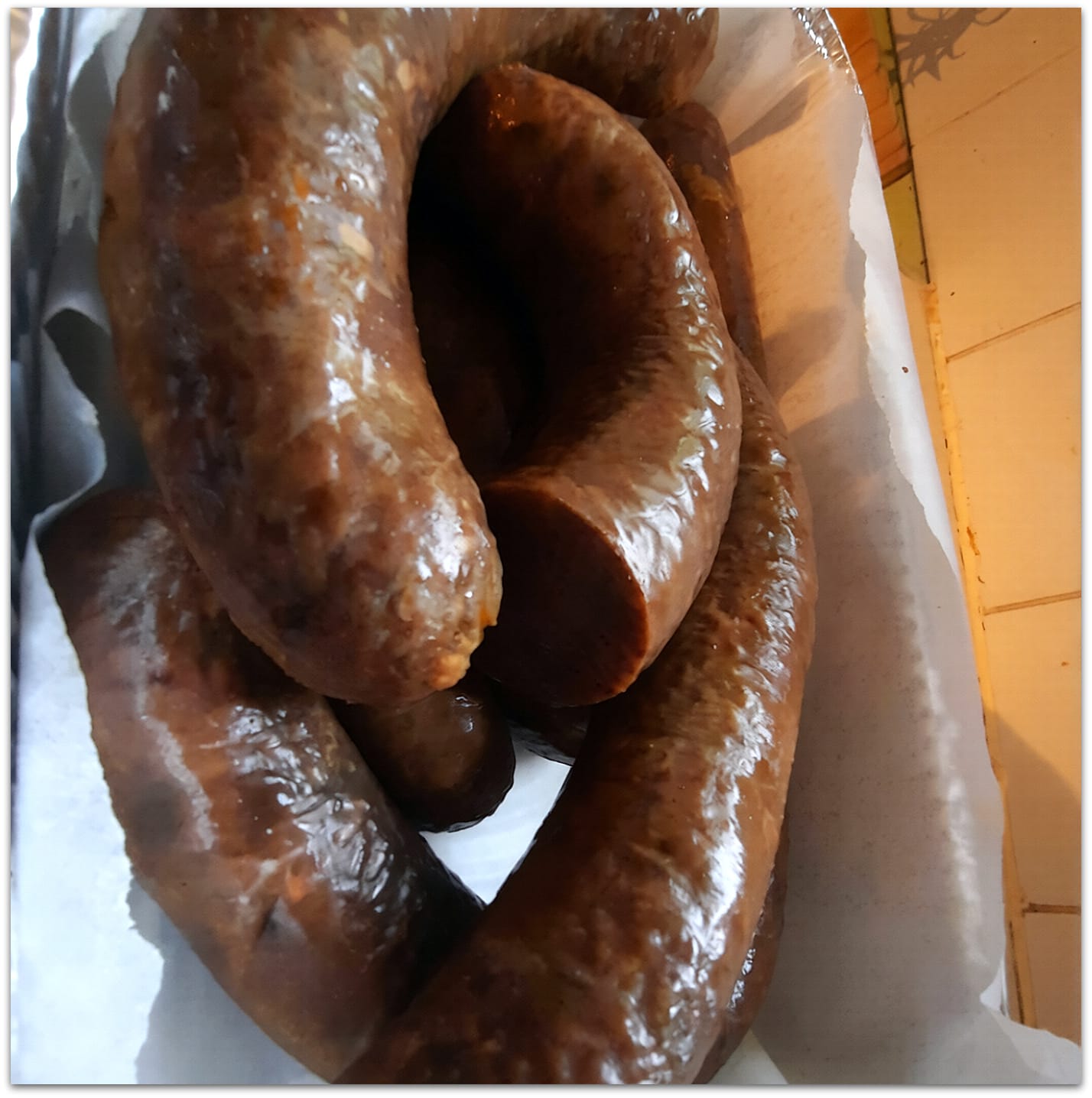
No food item proclaims the direct Irish culinary inheritance with greater immediacy than the Montserratian black pudding, a blood sausage that constitutes a living, edible link to the butchering traditions of rural Ireland. Known in Irish as putóg dhubh, the blood pudding was a staple of the pre-conquest Gaelic diet, a thrifty preparation that utilised every part of the slaughtered pig, combining fresh blood with oatmeal, suet, onions, and wild herbs before stuffing the mixture into cleaned intestines. On Montserrat, this practice underwent creolisation rather than abandonment. The island’s black pudding, still prepared with ritual care for festive occasions and especially during the St. Patrick’s Festival, substitutes rice, introduced by African captives from rice-cultivating regions, for the original oatmeal, and incorporates the native chadon beni herb, a pungent cousin of cilantro, alongside hot pepper and a whisper of cinnamon. The intestines are scrupulously cleaned and filled, then poached and later fried until crisp, their flavour profile a complex dark richness that is simultaneously earthy, spicy, and metallic. The persistence of black pudding in a climate where fresh blood spoils rapidly testifies to the cultural tenacity of the Irish dietary code and its adoption by Afro-Montserratian communities, who made the technique their own. It is a dish that bears the ghost of the Irish farmstead slaughter, the autumnal killing of the pig that was a high point of the Gaelic calendar, transposed to a landscape of sugar mills and slave quarters where the pig remained a vital scavenger and a source of autonomous protein for the oppressed.
Perhaps the most startling and thoroughly documented instance of direct Irish food culture influence, however, is the ubiquitous beverage known as Irish moss, a creamy, spiced, chilled drink that is regarded throughout Montserrat and the wider Eastern Caribbean as a tonic for virility, a cure for respiratory ailments, and a profoundly refreshing indulgence. Irish moss, scientifically a red seaweed of the genus Gracilaria, is not the Chondrus crispus of the cold North Atlantic coast of Ireland, the carrageen moss gathered for centuries along the shores of counties Donegal, Sligo, and Kerry, but its functional application and its cultural name are a direct inheritance. In Gaelic Ireland, carrageen moss was harvested, sun-bleached, and boiled in milk with a trace of sugar or honey to produce a gelatinous, easily digestible pudding consumed by invalids, nursing mothers, and the tubercular. This knowledge of seaweed as a nutritional and medicinal resource, utterly alien to English dietary norms, travelled with the Irish indentured labourers to Montserrat, where they identified the local warm-water seaweeds as a cognate substance and applied the same culinary technology. The Montserratian Irish moss drink is prepared by boiling the cleaned seaweed until its carrageenan-like polysaccharides dissolve, creating a thick, silky liquid, which is then blended with evaporated or condensed milk, nutmeg, vanilla, cinnamon, and often a splash of rum or a spoonful of isinglass. The result, consumed cold and often sold by roadside vendors and in rum shops, is a direct descendant of the carrageen possets of the Irish poor, its very name a whispered memory of a green island that most Montserratians have never seen. The drink is so deeply woven into local life that it has become a symbol of national identity, served at heritage festivals and touted in tourist literature as an indigenous Montserratian health food, its Irish genealogy both openly celebrated and fully naturalised as an organic product of the island’s soil.

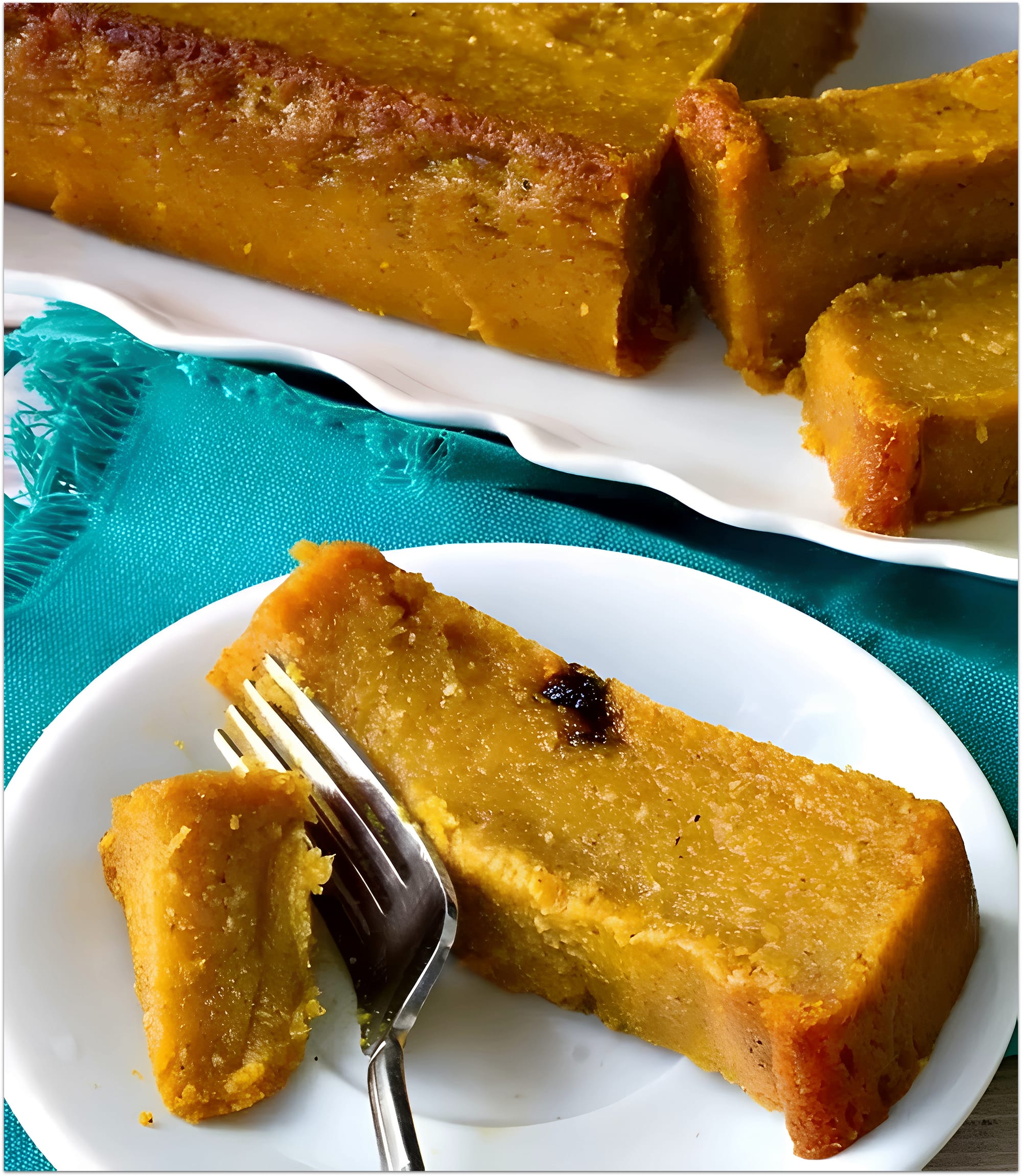
The influence of Irish food culture upon the everyday starch economy of Montserrat is subtler but no less profound, registered in the linguistic categories that shape cooking and eating. The tuber that revolutionized the Irish diet and whose catastrophic failure triggered the Famine was, of course, the potato, and its shadow lies long over Montserrat even though the white, or Irish, potato has never thrived in the island’s humid volcanic soils. What persisted instead was the semantic distinction, the hierarchy of tubers encoded in the Hiberno-English brought by the settlers. Today, the white potato, when imported, is invariably called the Irish potato, a term that distinguishes it absolutely from the sweet potato, the yam, the dasheen, the eddoe, and the cassava that form the true staff of local life. This nomenclature preserves a taxonomic memory, a mental map in which the ancestral tuber retains its prestige and its foreignness, even as the African-grown ground provisions, cultivated in the slave gardens and known as “food” in the creole lexicon, dominate the plate. The Irish peasant’s dependence on the potato as the primary source of caloric bulk was replicated in Montserrat through the African reliance on the yam and the sweet potato, which were boiled, pounded into a starch called fufu or turned into dense, baked puddings known as pone. The baking of sweet potato pone, a slow-cooked loaf of grated sweet potato, coconut milk, spices, and brown sugar, may reflect a structural fusion of Irish soda bread techniques with African earth-oven baking, a hypothesis supported by the name “pone,” derived from Algonquian via early contact, but adapted through the Irish colonial encounter. The heavy cast-iron Dutch ovens used to bake pone over coals, often called “spiders,” echo the bastibles or three-legged iron pots in which Irish soda bread was baked directly on the hearth.
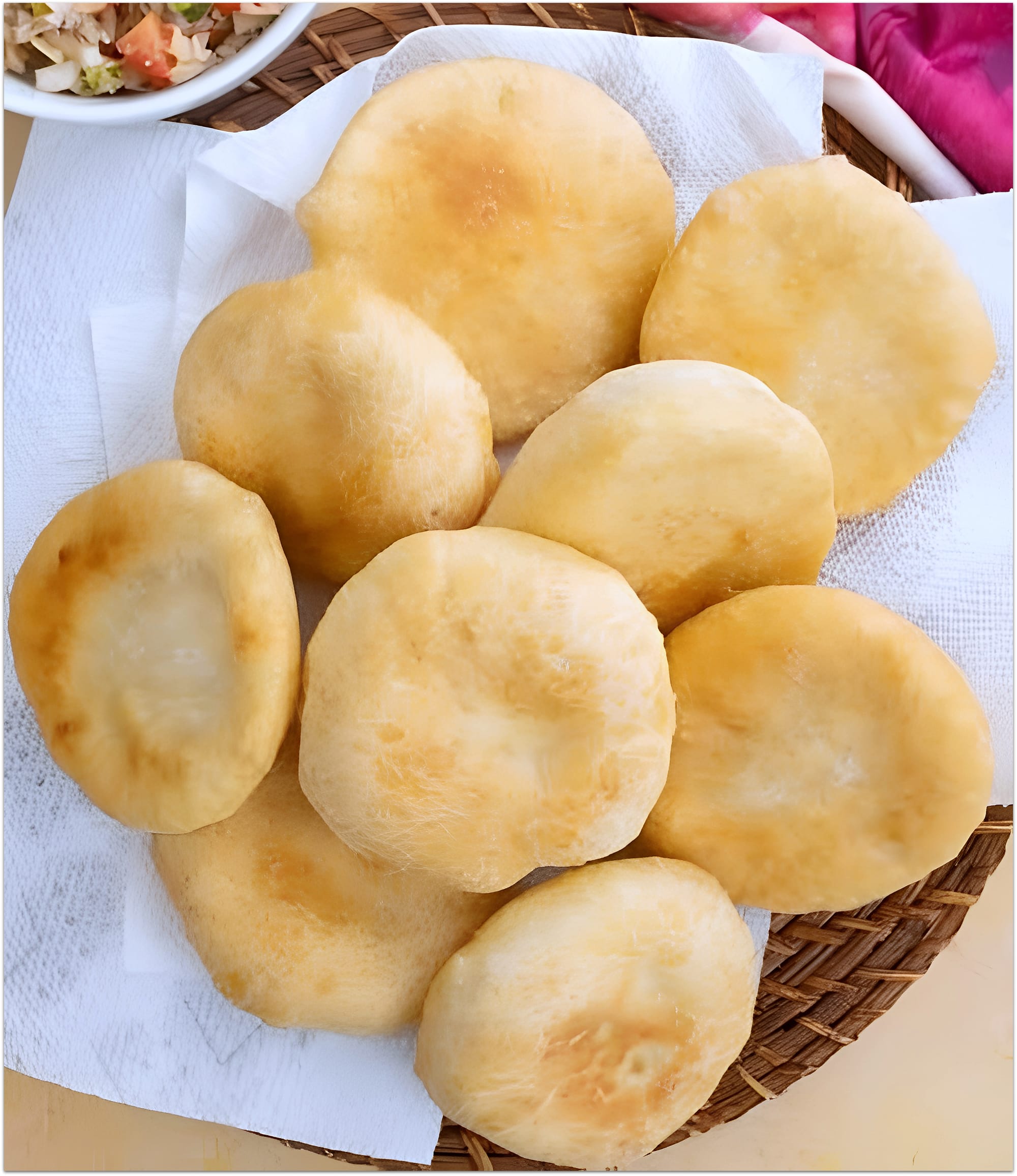
Leavening itself offers a final, compelling trace. The Irish, impoverished and often lacking access to yeast or even the sourdough cultures that required careful maintenance, became masters of soda bread, a quickly assembled loaf leavened with bicarbonate of soda activated by sour milk or buttermilk. This reliance on chemical leavening over biological fermentation crossed the Atlantic and embedded itself in the Montserratian repertoire of bakes, fried dumplings, and johnny cakes. The Montserratian fry bake, a flattened, chewy disc of flour, baking powder, salt, sugar, and water or milk, fried in deep oil until puffed and golden, descends less from English muffin traditions than from the frugal soda farls and griddle breads of the Irish countryside. It is eaten for breakfast with saltfish, butter, or cheese, a daily bread that links the volcanic Caribbean morning to the damp dawns of Ulster and Leinster. The very term “bake,” as a noun denoting a particular type of fried bread, is a Hiberno-English usage that has been creolised into the island’s speech, and the method of turning the dough in sizzling oil while children wait hungrily mimics the rituals of the Irish griddle.
The contemporary celebration of St. Patrick’s Festival on Montserrat has become the paramount stage upon which this syncretic food heritage is performed, refashioned, and strategically marketed to a global audience. For a full week, the island dedicates itself to a public feast in which goat water is served in massive cauldrons on village greens, black pudding sizzles on open grills, and glasses of Irish moss are raised in toasts to the ancestors, both the Irish exiles and the African freedom-seekers of the 1768 rebellion. The festival cuisine, however, is not a static reproduction but a dynamic site of reinvention, where the influence of the North American Irish diaspora introduces corned beef and cabbage, green-dyed beer, and soda bread baked with caraway seeds, foods that are not indigenous to Montserrat but are imported and consumed under the sign of a shared Celtic heritage. This contemporary layering creates a complex culinary semiotics: the original Irish-derived dishes have become the authentic local fare of an Afro-Caribbean people, while the newly introduced Irish-American dishes read as foreign imports, symbols of a more distant, more commodified diasporic connection. The scholar of the island’s foodways observes a profound moment when a Montserratian of African descent breaks a piece of fry bake, dips it in goat water, and sips Irish moss, consuming in a single meal the entire history of forced migration, cultural survival, and gastronomic genius. The food of Montserrat, bearing within its flavours the ghost of the Cromwellian transportee and the genius of the enslaved African cook, offers perhaps the most intimate and honest testament to the island’s Irish history, an archive not of parchment and ink but of palate, stomach, and memory, a daily, edible truth that cannot be buried by ash or erased by time.